Introduction to OIG Search and Its Significance in Medical Billing
In the fast-paced world of healthcare, maintaining compliance is not just a regulatory requirement but a necessity for smooth and efficient operations. The OIG (Office of Inspector General) Search is a vital tool in the compliance process, particularly when it comes to medical billing. In this blog post, we will explore the importance of OIG Search, how it impacts medical billing, and the steps healthcare providers should take to ensure their billing processes are in line with government regulations.
What is OIG Search?
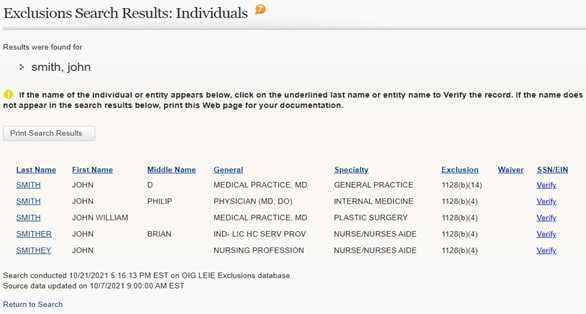
The OIG Search refers to a process where healthcare providers check the Office of Inspector General’s (OIG) database for any exclusion or sanction listings. The OIG maintains a list of individuals and organizations that are excluded from participating in federal healthcare programs like Medicare and Medicaid due to violations or fraudulent activity. The search is a critical part of ensuring compliance with federal laws and protecting healthcare businesses from potential legal and financial penalties.
Why is OIG Search Crucial for Medical Billing?
For any medical billing practice, whether large or small, understanding the significance of OIG Search is vital. If a healthcare provider inadvertently hires someone who is excluded from federal healthcare programs, they could face severe penalties, including fines, loss of reimbursement, or even criminal charges. Here are a few reasons why OIG Search is indispensable:
-
Preventing Fraud: By performing regular OIG searches, healthcare providers can ensure they aren’t unknowingly doing business with individuals or organizations involved in fraudulent activities.
-
Maintaining Compliance: Compliance is at the heart of every medical billing process. Ensuring that all staff members, contractors, and vendors are not listed in the OIG exclusion list helps avoid violations of federal healthcare laws.
-
Protecting Revenue: Billing improperly due to non-compliance can result in audits, financial penalties, or even the loss of contracts with government payers like Medicare and Medicaid.
-
Avoiding Legal Consequences: Failing to perform the OIG Search can expose your practice to lawsuits and legal liabilities. This is especially crucial in the event of audits by the Centers for Medicare & Medicaid Services (CMS).
How to Perform an OIG Search?
Performing an OIG Search is relatively simple, but it requires attention to detail to ensure accuracy. Here’s how healthcare providers can conduct the search:
-
Visit the OIG Website: Go to the official OIG website (https://oig.hhs.gov) and navigate to the exclusion database section.
-
Enter Identifying Information: Input the individual or organization’s name, address, and other identifying details. You can search by name, Social Security number (SSN), or other relevant identifiers.
-
Review the Results: The search will show whether the individual or organization is listed as excluded from participation in federal healthcare programs. It’s important to regularly conduct this search to ensure up-to-date records.
-
Stay Updated: OIG exclusions are updated frequently, so it is important to stay vigilant and perform the OIG Search regularly.
OIG Search and Medical Billing Compliance
Medical billing involves submitting claims for services rendered to Medicare, Medicaid, and other insurance companies. If the provider submits claims for services rendered by an excluded individual or organization, those claims are considered fraudulent, even if submitted unknowingly.
Thus, performing the OIG Search is an essential part of ensuring compliance with the billing process. Many healthcare providers choose to integrate OIG search tools into their billing systems for an automated check before submitting claims to Medicare and Medicaid. This helps identify any discrepancies and prevent financial losses.
Key Steps to Take After an OIG Search
Once you’ve completed an OIG Search, you must take appropriate action if you find a match in the exclusion list. Here are the necessary steps to follow:
-
Verify the Match: Double-check the OIG exclusion listing to ensure that it is indeed the same individual or organization. Sometimes, common names may cause confusion, so verify the details before taking action.
-
Remove the Excluded Individual: If the search result confirms the exclusion, remove the individual from the practice immediately. Continuing to employ an excluded person can result in significant fines and legal penalties.
-
Notify Authorities: In cases where the individual or organization is excluded, notify your healthcare attorney or legal advisor to ensure proper steps are followed.
-
Review Billing Records: Check any recent claims to ensure that none were submitted under the excluded person or entity. If any claims were submitted, you may need to correct or re-submit them.
-
Educate Your Team: Train your team to be aware of the importance of OIG Search and ensure that they understand the consequences of hiring or contracting with excluded individuals.
Common Mistakes to Avoid During OIG Search
While performing an OIG Search is straightforward, there are common mistakes that many healthcare providers make. Here are some of the most frequent errors to avoid:
-
Not Performing Regular Searches: The OIG exclusion list is updated regularly, so failing to check it periodically is a mistake that could expose your practice to risk.
-
Relying on Inaccurate Information: Sometimes, outdated or incomplete information can result in false exclusions. Always verify the details of an exclusion match before taking action.
-
Failing to Document the Search: It’s important to keep a record of the OIG Search and its results for compliance purposes. If your practice is ever audited, you will need to demonstrate that you’ve performed the search.
The Role of OIG Search in Audits and Investigations
The OIG Search plays a significant role in the event of a government audit or investigation. If a healthcare provider submits claims for services rendered by an excluded individual or organization, it can trigger an audit or even a criminal investigation. The government takes exclusion violations seriously, and it’s crucial to stay proactive in ensuring all parties involved in your medical billing process are compliant.
OIG Search Tools and Software for Healthcare Providers
Fortunately, modern technology has made it easier for healthcare providers to conduct OIG Searches efficiently. There are several OIG Search tools and software that can automate the process. These tools help streamline the search, reduce human error, and improve accuracy in medical billing compliance. Some popular OIG search tools include:
-
OIG Exclusion Database Tools: Many billing software programs integrate OIG Search functions. These allow automatic verification of whether an individual or organization is excluded from federal healthcare programs.
-
Third-Party Compliance Software: Compliance tools from third-party vendors can provide automated checks and additional monitoring features to help healthcare providers stay compliant.
-
Custom Alerts: Some platforms offer the ability to set up custom alerts for when a new exclusion is added to the OIG list, ensuring you stay up to date with the latest changes.
Conclusion: Emphasizing the Importance of OIG Search in Medical Billing
In conclusion, the OIG-Search is not just a necessary step in the medical billing process, but a fundamental aspect of maintaining compliance with federal healthcare regulations. It ensures that healthcare providers avoid costly legal penalties and billing issues. By performing regular OIG-Searches, verifying matches, and taking corrective action, medical billing practices can stay ahead of potential compliance issues.
Remember, the key to successful medical billing is vigilance. Regular checks, using OIG-Search tools, and training your team are all essential steps in protecting your practice from the negative consequences of non-compliance. Stay informed, stay proactive, and ensure your billing process remains accurate and compliant.