

What Is Medicare? Understanding Its Benefits and Eligibility in 2026
Medicare is one of the most important health insurance programs in the United States, designed to provide healthcare coverage to older adults and individuals with disabilities. If you’re nearing retirement age or already receiving disability benefits, it’s crucial to understand what Medi-care is and how it can affect your health care options. In this blog post, we will answer the question, “What is Medi-care?” and dive deep into its structure, benefits, eligibility, and how you can make the most of it.

What is Medicare? An Overview
Medicare is a government-sponsored health insurance program, managed by the federal government, designed primarily for people who are 65 or older. However, people under 65 with certain disabilities or specific medical conditions may also qualify for the program. It is essential to understand what Medi-care is because it plays a vital role in helping individuals cover the costs of hospital care, outpatient care, prescription drugs, and more.
Since healthcare costs in the U.S. can be overwhelming, Medicare offers a way for people to receive essential medical services without worrying about large medical bills. But before you can take advantage of Medicare, it’s important to understand its structure and the benefits it provides.
The Different Parts of Medicare: What You Need to Know
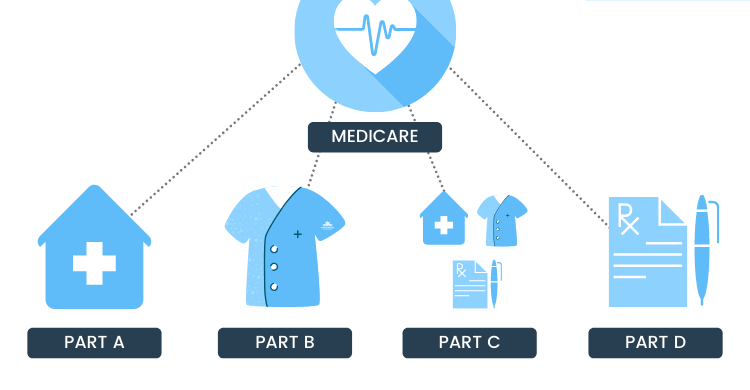
Medicare is divided into four main parts: Part A, Part B, Part C, and Part D. Each part serves a different purpose, and understanding these differences is key to fully comprehending what Medicare is and how it works.
Medicare Part A: Hospital Insurance
Medicare Part A covers inpatient hospital care, skilled nursing facility care, hospice care, and some home health care. Most people qualify for Part A without paying a premium because they or their spouse paid Medicare taxes while working.
-
Inpatient Hospital Care: This includes stays in the hospital for treatment, surgeries, or rehabilitation.
-
Skilled Nursing Facility Care: Medicare Part A helps cover care in skilled nursing facilities after a hospital stay.
-
Hospice Care: For terminally ill patients, Part A covers hospice care to ease suffering.
Medicare Part B: Medical Insurance
Medicare Part B covers outpatient services, such as doctor visits, preventive services, and some types of medical equipment. Unlike Part A, you must pay a monthly premium for Part B. The cost can vary based on your income, and you can opt out if you have other healthcare coverage.
-
Doctor Visits: Coverage for routine doctor visits, specialists, and preventive care.
-
Preventive Services: Includes screenings for various diseases and health conditions, such as cancer, diabetes, and heart disease.
Medicare Part C: Medicare Advantage Plans
Medicare Part C, also known as Medi-care Advantage, is an alternative way to receive your Medi-care benefits. These plans are offered by private insurance companies and must provide at least the same coverage as Part A and Part B, but they often include additional benefits such as prescription drug coverage, dental, and vision services.
-
Comprehensive Coverage: Medi-care Advantage plans often offer benefits beyond what is included in Parts A and B.
-
Private Insurance Companies: These plans are provided through private insurance companies approved by Medi-care.
Medi-care Part D: Prescription Drug Coverage
Medicare Part D helps cover the cost of prescription drugs. Part D plans are offered by private insurance companies and vary in coverage and cost. It is important to compare plans to find the best coverage for your medications.
-
Prescription Drugs: Coverage for prescription medications that are not included in Part A or Part B.
-
Private Insurance Providers: Part D plans are available through private insurers, so premiums, deductibles, and co-pays can vary.
Medicare Eligibility: Who Can Get Medicare?
One of the most common questions people ask is, “What is Medi-care eligibility?” In general, individuals qualify for Medi-care if they meet one or more of the following criteria:
-
Age: Most individuals become eligible for Medi-care when they turn 65. If you’re already receiving Social Security or Railroad Retirement Board (RRB) benefits, you’ll be automatically enrolled in Medicare Part A and Part B.
-
Disability: People under 65 may also be eligible for Medi-care if they’ve been receiving Social Security disability benefits for at least 24 months.
-
Specific Conditions: If you have certain medical conditions, such as End-Stage Renal Disease (ESRD) or Amyotrophic Lateral Sclerosis (ALS), you may qualify for Medi-care regardless of your age.
Medicare eligibility is determined by the Social Security Administration, and the process can be straightforward once you know your status.
How to Enroll in Medicare
Knowing what Medi-care is and its eligibility requirements is only half the battle. Once you’re eligible, you need to understand how to enroll in the program. Here are the key steps:
Initial Enrollment Period (IEP)
The Initial Enrollment Period (IEP) is a seven-month window during which you can sign up for Medi-care. The period starts three months before your 65th birthday, includes the month of your birthday, and ends three months after your birthday. You can apply for Medi-care through the Social Security website, by calling Social Security, or by visiting your local Social Security office.
General Enrollment Period (GEP)
If you miss the IEP, you can sign up during the General Enrollment Period (GEP), which runs from January 1 to March 31 each year. However, late enrollment in Medi-care can result in penalties, which means it’s always better to enroll during your IEP.
Special Enrollment Periods (SEPs)
Some people may qualify for a Special Enrollment Period (SEP), which allows you to enroll in Medi-care outside the IEP or GEP if you meet specific conditions, such as if you are still working and covered by an employer’s health plan.
Medicare Costs: How Much Does Medi-care Cost?
Understanding what Medi-care costs is essential. While Medi-care is a great way to manage healthcare costs, there are still expenses that beneficiaries must cover, such as premiums, deductibles, and co-payments.
Part A Costs
For most people, Part A is free, but if you don’t qualify for premium-free Part A, you may need to pay a monthly premium. In addition, there are deductibles and co-pays associated with hospital stays, skilled nursing facility care, and other services.
Part B Costs
Part B comes with a monthly premium, which is typically deducted from your Social Security benefits. There are also annual deductibles and coinsurance costs for most services.
Part C (Medi-care Advantage)
Part C plans may have additional premiums, deductibles, and out-of-pocket costs depending on the provider and plan you choose.
Part D Costs
Part D also comes with a monthly premium, and the costs can vary based on the plan and the medications you need. Additionally, there are deductibles and co-payments involved with prescription drugs.
Medicare vs. Medicaid: What’s the Difference?
When discussing what Medi-care is, it’s important to also touch on Medicaid, as both are government programs designed to assist with healthcare costs, but they serve different populations:
-
Medi-care is available to individuals over 65 or with specific disabilities, regardless of income.
-
Medicaid is a joint federal and state program that helps low-income individuals, including children, pregnant women, elderly adults, and those with disabilities, pay for medical costs.
How Icon Billing LLC Can Help With Medi-care Billing
At Icon Billing LLC, we specialize in helping clients navigate the complexities of Medi-care billing. Whether you’re new to Medi-care or need help understanding your plan’s coverage, our expert team can guide you through the billing process and ensure that you are maximizing your benefits. We offer a range of services to help you understand how Medi-care works and how to get the most out of your plan.
Conclusion: Why Understanding What Medi-care Is Matters
In conclusion, what Medi-care is and how it works is crucial for ensuring that you and your loved ones receive the healthcare coverage you need. Whether you’re about to turn 65, qualify due to a disability, or want to learn more about your benefits, this comprehensive guide should give you a clear understanding of the program.
If you need assistance with Medi-care billing or have questions about your eligibility, reach out to Icon Billing LLC for expert support.