7 Game‑Changing EHR Systems Every Medical Practice Must Understand
In today’s digital healthcare world, it’s impossible to talk about improved workflow, better patient care, or optimized revenue without discussing ehr systems. Whether you’re running a busy clinic or managing billing operations, the right ehr systems can transform everything from documentation to reimbursements. In this guide, we’ll explore the most impactful EHR technologies, what makes them successful, and the common pitfalls many practices fall into.
Understanding EHR Systems: What They Really Are
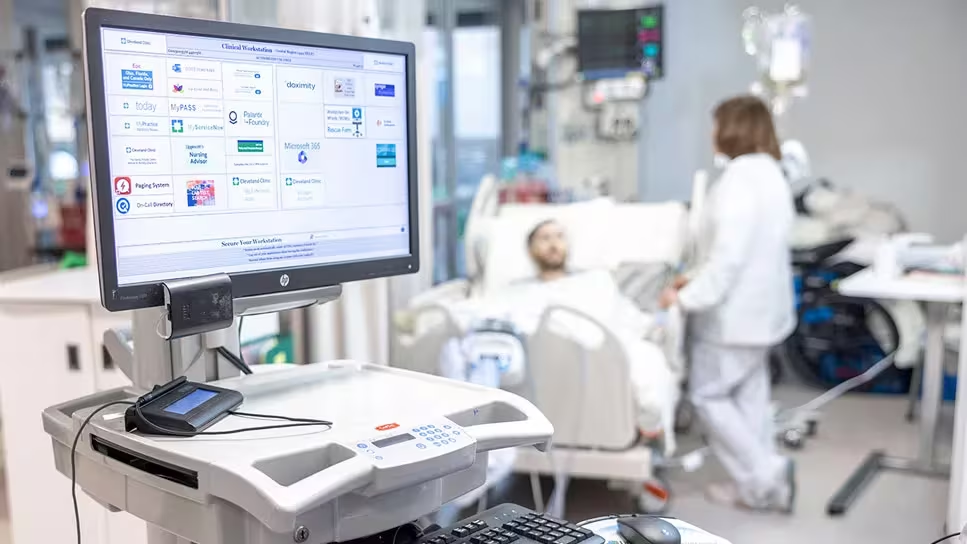
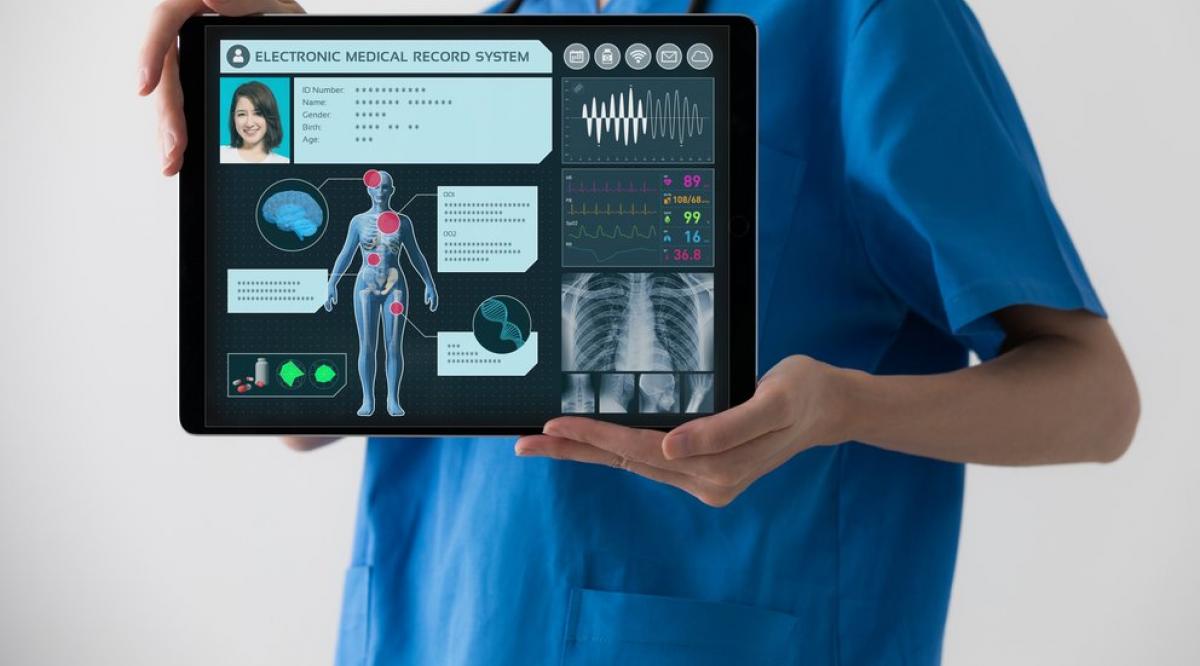
EHR stands for Electronic Health Record, but when we talk about ehr systems, we’re referring to complete software platforms designed to manage patient information, medical histories, diagnoses, treatment plans, and billing — all in one digital environment.
Unlike paper charts or legacy software, modern ehr systems provide:
-
Real‑time data access
-
Integrated billing features
-
Clinical decision support
-
Secure messaging
-
Analytics and reporting
These capabilities aren’t just conveniences — they’re essential for practices striving to improve efficiency and patient outcomes.
Why EHR Systems Matter in Modern Healthcare
Before we dive into the top platforms, let’s highlight why ehr systems are no longer optional:
💡 Improved Patient Care
With comprehensive records in one digital space, clinicians spend less time searching for files and more time with patients. EHR systems eliminate fragmented patient data, ensuring every clinician sees the same reliable information.
💡 Faster Billing and Fewer Denials
EHR systems integrate coding and billing functions, reducing errors that often lead to claim denials. This directly improves cash flow and operational performance.
💡 Regulatory Compliance
Proper ehr systems help practices meet HIPAA and other compliance requirements, protecting both patients and the practice from legal risks.
💡 Better Efficiency Across Departments
Physicians, medical assistants, billing teams, and administrators can collaborate more effectively with a unified EHR platform.
Top 7 Game‑Changing EHR Systems for Medical Practices
Here are seven EHR platforms changing the game in healthcare — improving patient care, boosting revenue cycle management, and increasing productivity.
1. Epic Systems
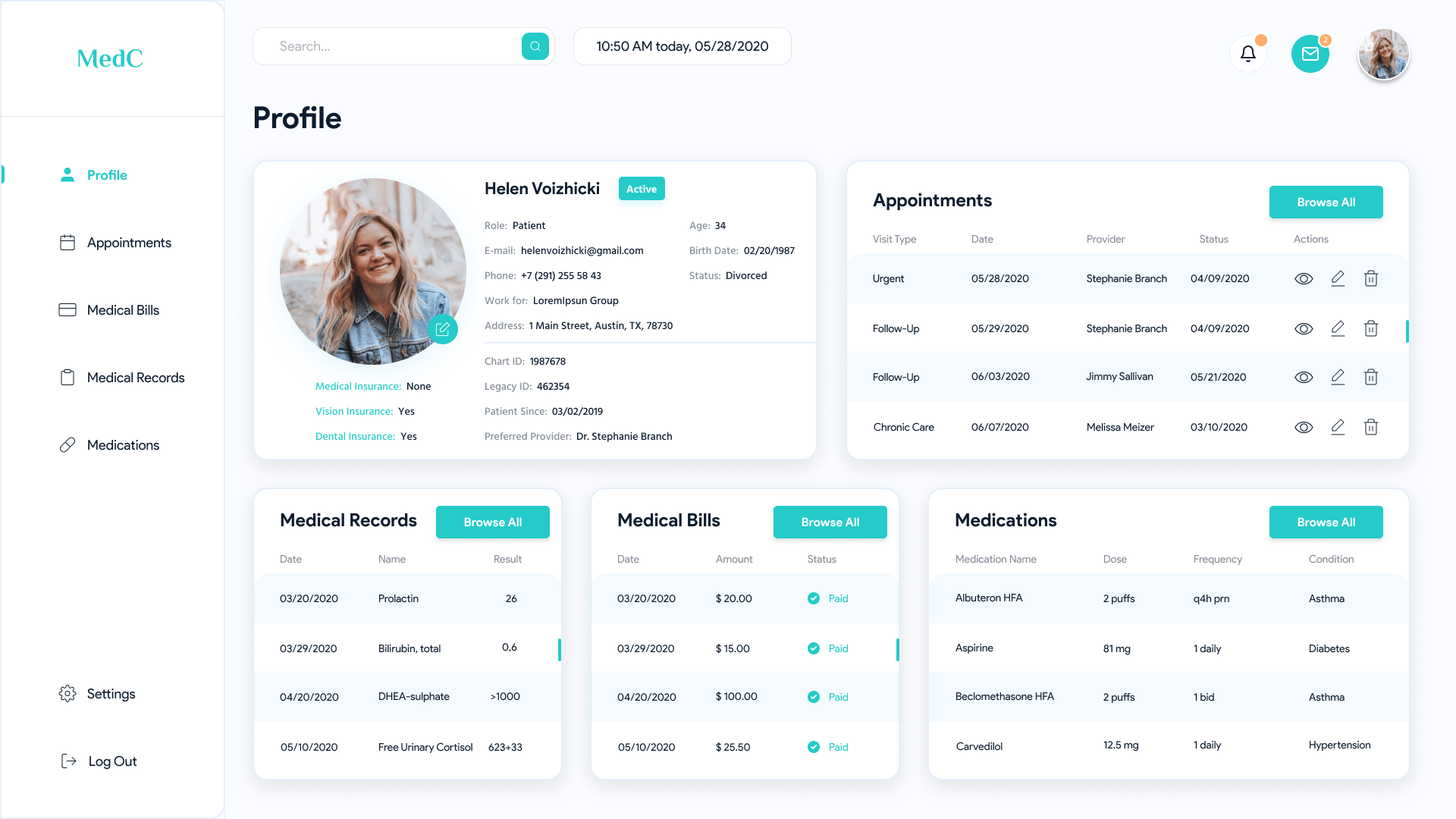
Epic is one of the most widely adopted ehr systems across hospitals and large practices. Known for strong interoperability and patient engagement tools, it supports everything from scheduling to complex clinical workflows.
Features include:
-
Integrated billing functions
-
Secure patient portal
-
Analytics dashboards
-
Mobile access
Epic’s focus on scalability makes it ideal for large practices and multi‑location facilities.
2. Cerner EHR
Another heavyweight, Cerner EHR delivers robust clinical tools and real‑time data sharing across care teams. It’s particularly strong in acute care environments where complex patient cases require sophisticated support systems.
Notable strengths:
-
Advanced analytics
-
Seamless lab integration
-
Customizable templates
Cerner’s emphasis on collaboration helps reduce administrative waste.
3. athenahealth
athenahealth is a cloud‑based ehr systems solution popular with small to mid‑sized practices. Its user‑friendly interface and powerful billing automation make it a favorite among medical billers and office managers.
Key benefits:
-
Real‑time claims tracking
-
Automated eligibility checks
-
Revenue cycle insights
With continuous updates and minimal IT requirements, athenahealth is built for efficiency.
4. Allscripts EHR
Allscripts provides flexible EHR tools that support specialty practices, family medicine, and large groups alike. Its powerful population health features and data sharing capabilities stand out.
Advantages include:
-
Integrated e‑prescribing
-
Clinical decision support
-
Robust reporting tools
Allscripts integrates well with third‑party applications, enabling customization.
5. eClinicalWorks
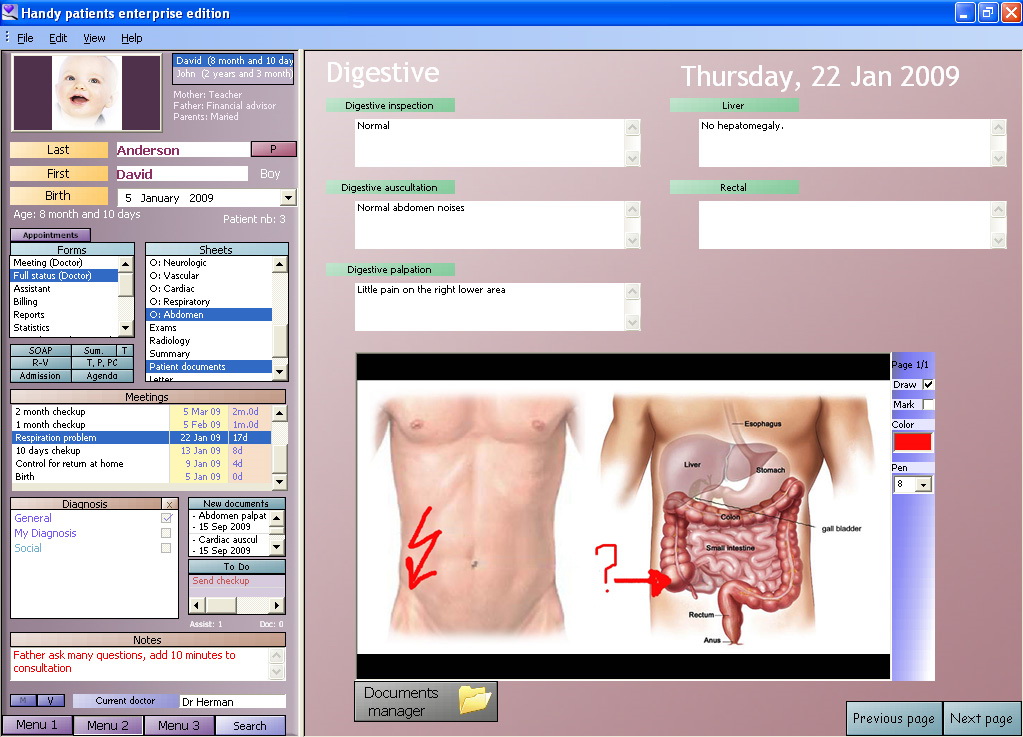
eClinicalWorks offers affordable EHR with strong telehealth and patient engagement tools — a key advantage in post‑pandemic healthcare. Billing modules are built directly into the platform, streamlining revenue operations.
Top features:
-
Telehealth integration
-
Online patient portal
-
Practice analytics
For growing practices, eClinicalWorks offers reliable performance without a steep learning curve.
6. NextGen Healthcare
NextGen is designed with efficiency in mind, combining EHR with practice management capabilities. It helps reduce paperwork while improving care coordination.
Standout features:
-
Advanced scheduling tools
-
Integrated billing and claims
-
Clinical quality reporting
NextGen’s focus on small and specialty practices makes it a strong contender in the ehr-systems market.
7. Practice Fusion
Practice Fusion is a cloud‑based EHR choice for smaller practices seeking simplicity and affordability. While lighter in feature set, its core tools — including charting, e‑prescribing, and scheduling — make it a strong entry‑level EHR solution.
Benefits include:
-
Easy implementation
-
Affordable pricing
-
Support for Meaningful Use
Practice Fusion shines where simplicity and speed matter most.
Common Mistakes to Avoid When Choosing EHR Systems
Selecting ehr systems isn’t just about picking the most recognizable name — it’s about finding the right fit for your workflow, size, and goals. Here are five mistakes many practices make:
❌ Mistake #1: Choosing on Price Alone
Lower‑cost platforms may seem attractive, but if essential features like billing integration or analytics are missing, you’ll pay more over time.
Instead, evaluate total cost of ownership — including training, support, and upgrades.
❌ Mistake #2: Ignoring Workflow Compatibility
Not all ehr-systems work well for every specialty. What’s ideal for pediatrics might not serve cardiology.
Always test workflows and involve clinical staff in demos.
❌ Mistake #3: Overlooking Patient Engagement Tools
Patient portals, secure messaging, and telehealth are no longer optional — they’re expectations.
Selecting EHR-systems without strong patient features can hurt satisfaction and retention.
❌ Mistake #4: Skipping Integration Checks
Your EHR needs to connect with labs, imaging centers, billing platforms, and insurance verification tools.
Failure to confirm integration can lead to data silos and manual workarounds.
❌ Mistake #5: Neglecting Training and Support
A powerful ehr systems solution means nothing if users don’t know how to use it. Many practices skip proper onboarding and training, which kills productivity.
Look for vendors with strong customer support and training programs.
How Icon Billing LLC Helps You Get the Most from EHR Systems
At Icon Billing LLC, we understand the connection between powerful ehr systems and optimized revenue cycle management. We help practices choose, implement, and optimize ehr-systems that:
✅ Reduce claim denials
✅ Shorten billing cycles
✅ Improve patient satisfaction
✅ Streamline clinical documentation
With expertise in EHR workflows and billing integration, we elevate your practice’s performance across every department.
EHR Systems and Revenue Cycle Management
One of the biggest advantages of modern EHR systems is how they support revenue cycle management (RCM). When configured correctly, billing automation features within ehr-systems can:
💸 Detect coding errors before claims submission
📤 Accelerate claim delivery
📊 Provide real‑time financial insights
🧾 Improve payer compliance
This synergy between clinical and financial data is the backbone of healthy, profitable practices.
What to Look for When Evaluating EHR Systems
Here’s a checklist to guide your decision:
📌 Billing and Coding Integration – Essential for faster reimbursements
📌 Compliance & Security – Must meet HIPAA and data protection standards
📌 Interoperability – Ability to share data across systems
📌 Ease of Use – Intuitive workflows save time and reduce errors
📌 Analytics & Reporting – Visibility into clinical and financial performance
📌 Patient Engagement Tools – Portals, telehealth, and communications
By using this checklist, you ensure the EHR-systems you consider are equipped for both present needs and future growth.
Future Trends in EHR Systems
The landscape of ehr systems is evolving rapidly. Here are trends poised to influence healthcare in the years ahead:
🌐 AI & Predictive Analytics
Machine learning will help identify risk patterns, predict patient outcomes, and automate routine documentation tasks.
📱 Mobile EHR Access
Clinicians will increasingly expect secure access from smartphones and tablets.
🖥 Cloud‑Native Platforms
Cloud‑based EHR-systems deliver faster updates, stronger security, and lower IT costs.
🤝 Enhanced Interoperability
Systems that communicate seamlessly across providers and payers will become industry standards.
Staying aware of these trends ensures your practice invests in ehr-systems that last.
Final Thoughts: Choose EHR Systems That Elevate Your Practice
In the modern healthcare ecosystem, EHR systems aren’t just record‑keeping tools — they’re engines that power clinical success and financial performance. The right choice can:
✔ Amplify productivity
✔ Improve patient care delivery
✔ Reduce operational waste
✔ Enhance billing outcomes
Avoid the common pitfalls, understand your needs, and partner with trusted experts like Icon Billing LLC to leverage the full power of ehr-systems.
FAQs About EHR Systems
What are EHR systems?
EHR-systems are digital platforms that store, manage, and share patient health information across clinical workflows and administrative functions.
How do EHR-systems help with billing?
They integrate coding, eligibility checks, claims submission, and denial tracking — reducing errors and accelerating reimbursements.
Are all EHR-systems cloud‑based?
Not all, but most modern EHR-systems use cloud technology for better performance, scalability, and security.
Which EHR-systems are best for small practices?
Cloud‑based solutions like athenahealth, Practice Fusion, and eClinicalWorks are often ideal for smaller clinics.
Can EHR-systems improve patient engagement?
Yes, through features like patient portals, secure messaging, telehealth, and online appointment scheduling.
Do EHR-systems help with compliance?
Absolutely. They include security measures and reporting features that support HIPAA compliance and other regulatory requirements.