Introduction
Understanding Medicare Part D isn’t just helpful—it’s essential. For millions of Americans, Medicare Part D determines how prescription drugs are covered, billed, reimbursed, and ultimately paid for. Yet despite its importance, Medicare Part D remains one of the most misunderstood parts of Medicare, even among healthcare providers and billing professionals.
At Icon Billing LLC, we routinely see how Medicare Part D can either streamline reimbursement or create costly claim denials if handled incorrectly. From confusing formularies to coverage gaps and compliance issues, Medicare Part D can positively or negatively affect both patients and providers. This guide breaks it all down in clear, practical terms—without the jargon.
If you’re a healthcare provider, billing manager, or patient navigating prescription coverage, this comprehensive guide will give you clarity, confidence, and control.

Medicare Part D Explained: The Foundation of Prescription Drug Coverage
Medicare Part D is the portion of Medicare that provides outpatient prescription drug coverage. It was introduced to help beneficiaries manage medication costs that Original Medicare (Part A and Part B) does not cover.
Medicare Part D plans are offered by private insurance companies approved by Medicare. These plans vary significantly in terms of premiums, deductibles, formularies, pharmacy networks, and cost-sharing structures. This variation is one reason Medicare Part-D can be both beneficial and frustrating.
For providers and billing companies like Icon Billing LLC, Medicare Part-D requires careful coordination. Each plan has unique billing rules, prior authorization requirements, and drug coverage limitations. Failure to verify coverage or submit clean claims can lead to denials, delays, and lost revenue.
Key features of Medicare Part D include:
-
Monthly premiums
-
Annual deductibles
-
Tiered drug formularies
-
Copayments or coinsurance
-
Pharmacy network restrictions
Understanding these basics is critical because Medicare Part-D directly influences how prescriptions are prescribed, billed, and reimbursed.
How Medicare Part D Works in Real-Life Billing Scenarios
In practice, Medicare Part-D billing is far more complex than it appears on paper. Each prescription claim passes through multiple checkpoints—eligibility verification, formulary validation, utilization management, and cost-sharing calculation.
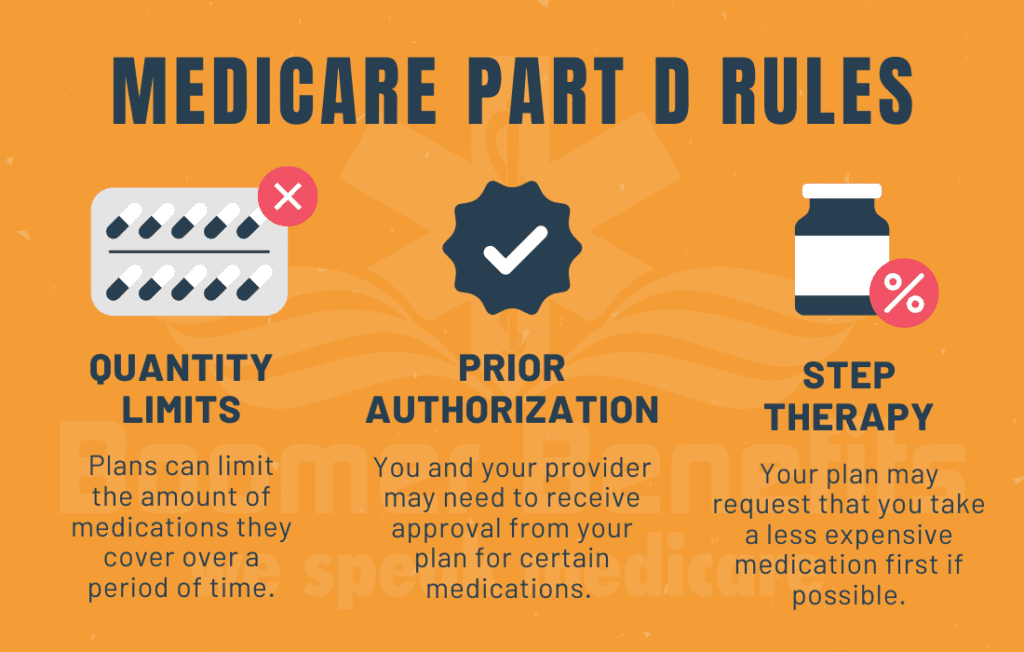
When a provider submits a claim under Medicare Part-D, the insurer checks:
-
Whether the drug is covered
-
Whether it’s on the formulary
-
Whether prior authorization is required
-
Whether step therapy applies
-
Whether the patient has reached coverage limits
Even a minor error can cause a claim rejection. This is why professional billing oversight is essential. At Icon Billing LLC, we ensure Medicare Part-D claims are submitted accurately, with proper documentation and compliance.
Additionally, Medicare Part-D involves coordination with pharmacies, prescribers, and insurers. Miscommunication at any level can result in claim reversals or patient dissatisfaction.
The Positive Impact of Medicare Part D on Patients and Providers
When managed correctly, Medicare Part D offers significant advantages.
For patients, it reduces out-of-pocket medication costs, increases access to essential prescriptions, and provides financial predictability. Preventive drug coverage under Medicare Part-D helps patients adhere to treatment plans, leading to better health outcomes.
For providers, Medicare Part-D supports continuity of care. Patients are more likely to fill prescriptions when costs are manageable, improving treatment effectiveness and reducing hospital readmissions.
From a billing standpoint, Medicare Part-D can streamline revenue when claims are properly handled. Clean submissions and compliance reduce denials and improve cash flow. This is where expert billing services like Icon Billing LLC play a critical role.
The Negative Side of Medicare Part D: Hidden Pitfalls and Cost Traps
Despite its benefits, Medicare Part D also presents serious challenges.
One major issue is the coverage gap, commonly known as the “donut hole.” During this phase, patients may face higher out-of-pocket costs until catastrophic coverage begins. This often leads to prescription non-adherence and billing disputes.
Another challenge is formulary restrictions. Drugs may be covered one year and excluded the next, forcing providers to rewrite prescriptions or seek exceptions. These changes increase administrative workload and delay treatment.
From a billing perspective, Medicare Part-D denials are common due to:
-
Incorrect National Drug Codes (NDC)
-
Missing prior authorizations
-
Non-covered drugs
-
Quantity limit violations
Without specialized knowledge, these issues can negatively affect revenue and patient satisfaction.
Medicare Part D Compliance and Documentation Requirements
Compliance is non-negotiable when dealing with Medicare Part-D. CMS regulations require accurate documentation, timely submissions, and adherence to plan-specific rules.
Providers must maintain:
-
Accurate prescribing records
-
Medical necessity documentation
-
Prior authorization approvals
-
Audit-ready billing files
Failure to comply can result in audits, penalties, or reimbursement clawbacks. At Icon Billing LLC, we ensure Medicare Part-D compliance through meticulous documentation review and proactive billing management.
Proper compliance not only protects revenue but also builds trust with patients and payers.
Medicare Part D and the Role of Professional Billing Services
Managing Medicare Part-D internally can overwhelm even experienced practices. Outsourcing to a specialized medical billing company offers measurable advantages.
Professional billing services:
-
Reduce claim denials
-
Improve reimbursement timelines
-
Ensure compliance with CMS rules
-
Handle appeals efficiently
-
Free providers to focus on patient care
Icon Billing LLC specializes in navigating the complexities of Medicare Part-D billing. Our expertise helps providers avoid costly errors and maximize legitimate reimbursement.
Future Changes and Trends in Medicare Part D
Medicare Part-D continues to evolve. Policy changes aim to reduce drug costs, cap out-of-pocket expenses, and increase transparency. While these changes benefit patients, they also introduce new billing complexities.
Staying informed is essential. Providers must adapt billing processes, update compliance protocols, and educate staff. Partnering with an experienced billing company ensures you stay ahead of Medicare Part-D changes without disruption.
Frequently Asked Questions About Medicare Part-D
What does Medicare Part D cover?
Medicare Part-D covers outpatient prescription medications, including many brand-name and generic drugs.
Is Medicare Part D mandatory?
Medicare Part-D is optional, but late enrollment can result in permanent penalties.
Can Medicare Part D deny coverage?
Yes, Medicare Part-D can deny coverage based on formulary rules, prior authorization requirements, or quantity limits.
How does Medicare Part D affect billing?
Medicare Part-D impacts claim submission, reimbursement rates, documentation, and compliance requirements.
Can providers appeal Medicare Part-D denials?
Yes, appeals are allowed, but they require accurate documentation and timely submission.
Why should providers outsource Medicare Part-D billing?
Outsourcing reduces errors, improves cash flow, and ensures compliance with evolving regulations.
Conclusion
Medicare Part-D plays a powerful role in modern healthcare—shaping prescription access, patient affordability, and provider revenue. When managed properly, Medicare Part-D delivers positive outcomes for everyone involved. When mishandled, it creates costly setbacks and administrative strain.
For healthcare providers seeking clarity, compliance, and consistent reimbursement, expert billing support is no longer optional—it’s essential.
At Icon Billing LLC, we specialize in turning the complexity of Medicare Part-D into a streamlined, profitable process. With the right strategy and expert oversight, Medicare Part-D doesn’t have to be a burden—it can be a strategic advantage.