
Understanding WBC ICD10: Comprehensive Guide to White Blood Cell ICD-10 Codes
When it comes to medical billing, accuracy is key. One of the essential components of proper billing for healthcare professionals is understanding ICD-10 codes. In particular, the WBC ICD-10 codes, which are used to classify disorders related to white blood cells (WBC), play a crucial role in the correct documentation of diagnoses and ensuring proper reimbursement from insurance companies.
This guide will delve into the specifics of WBC ICD-10, offering an in-depth understanding of the various white blood cell disorders and their corresponding codes. Whether you’re a medical biller, coder, healthcare provider, or simply someone trying to grasp the nuances of the healthcare billing process, this post will provide valuable insights into WBC ICD-10 coding.
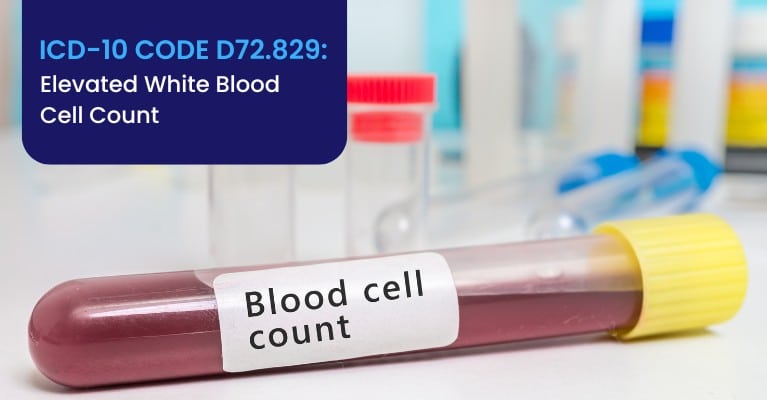
What is WBC in Medical Terms?
White blood cells (WBC), or leukocytes, are an essential part of the immune system. They help defend the body against infections and foreign invaders such as bacteria, viruses, and other pathogens. When there are abnormalities in the white blood cell count, it can indicate a variety of medical conditions ranging from infections to hematological disorders.
To properly diagnose and treat these conditions, accurate coding is required. This is where WBC ICD-10 codes come into play.
What is ICD-10?
ICD-10 stands for the International Classification of Diseases, 10th Edition, which is a medical classification list used by healthcare providers and coders worldwide. It is essential for billing, reporting, and tracking healthcare services. The ICD-10 system includes a wide range of codes that correspond to various medical conditions, symptoms, and treatments. When it comes to disorders involving white blood cells, specific ICD-10 codes are used to categorize the problem accurately.
WBC ICD-10 Codes Overview
In the ICD-10 system, WBC disorders are coded under Chapter 3: Diseases of the Blood and Blood-Forming Organs and Certain Disorders Involving the Immune Mechanism. These conditions can range from leukopenia (low white blood cell count) to leukocytosis (high white blood cell count), and other blood disorders.
The following sections will explore the most common WBC ICD10 codes and their respective categories:
1. Leukocytosis (Increased WBC Count)
Leukocytosis refers to an elevated white blood cell count, which is often a response to infection, inflammation, or other medical conditions. The ICD-10 code for leukocytosis is:
-
D72.9 – Leukocytosis, unspecified
This code is used when the exact cause of the elevated WBC count is not determined. It is essential to specify if the leukocytosis is due to an infection, inflammation, or a related condition.
2. Leukopenia (Decreased WBC Count)
Leukopenia is a condition in which the white blood cell count is abnormally low, making the body more susceptible to infections. The corresponding ICD-10 codes for leukopenia include:
-
D72.0 – Neutropenia
-
D72.1 – Other eosinophilia
These codes are used to indicate a decreased number of specific white blood cell types, such as neutrophils or eosinophils, in the blood.
3. Neutropenia
Neutropenia specifically refers to a low count of neutrophils, a type of white blood cell critical for fighting off bacterial infections. The ICD-10 code for neutropenia is:
-
D70 – Neutropenia
This category includes several subcodes for specific types of neutropenia, such as idiopathic, congenital, or drug-induced neutropenia.
4. Agranulocytosis
Agranulocytosis is a severe form of neutropenia where the body has very few or no granulocytes (neutrophils, basophils, and eosinophils). It is often linked to bone marrow failure. The ICD-10 code for agranulocytosis is:
-
D70.1 – Drug-induced agranulocytosis
This condition can be life-threatening and requires immediate medical attention.
5. Monocytosis
Monocytosis occurs when there is an abnormally high level of monocytes, a type of white blood cell that plays a role in immune responses. The corresponding ICD-10 code for monocytosis is:
-
D72.2 – Monocytosis
This condition is often indicative of chronic infection or certain hematological disorders.
How Are WBC ICD-10 Codes Used in Medical Billing?
Proper coding is crucial in medical billing for several reasons. WBC ICD-10 codes are used by healthcare providers to classify and document diagnoses related to white blood cell disorders. This information is then submitted to insurance companies to ensure proper reimbursement for services rendered.
Accurate coding helps:
-
Ensure correct reimbursement for medical services
-
Prevent claim denials due to incorrect or incomplete coding
-
Help track disease trends and outcomes for public health purposes
-
Provide data for research and health system analysis
Inaccurate or missing WBC ICD-10 codes can lead to billing issues, claim rejections, and delayed payments. Therefore, it is essential for medical billers to be knowledgeable about these codes to ensure smooth operations in healthcare facilities.
Challenges in Coding WBC Disorders
One of the challenges in coding WBC ICD-10 disorders is the variety of potential causes behind white blood cell abnormalities. For example, a patient might present with leukocytosis, but the cause could range from a simple bacterial infection to a more complex condition like leukemia or lymphoma. The medical coder must accurately review the patient’s medical records to ensure the correct code is applied.
Additionally, some WBC disorders may overlap, which means multiple codes may need to be assigned to reflect different aspects of the condition. Proper training and experience are essential for coders to make the correct determinations.
How to Avoid Common Mistakes with WBC ICD-10 Coding
To ensure accuracy when using WBC ICD-10 codes, consider these best practices:
-
Thoroughly Review Patient Records: Always review the patient’s history, test results, and medical notes to determine the correct diagnosis.
-
Use Specific Codes: Avoid using generic codes like “leukocytosis, unspecified” unless absolutely necessary. Whenever possible, use more specific codes to indicate the underlying cause.
-
Stay Updated on Code Changes: ICD-10 codes are updated regularly, and new codes may be added. Staying current with updates can help avoid coding errors.
-
Seek Expert Guidance When Needed: If there is uncertainty about which code to use, consult with experienced coders or refer to authoritative coding manuals.
Conclusion
The WBC ICD-10 codes are crucial in the diagnosis and billing process for healthcare providers dealing with white blood cell-related disorders. Understanding the different types of WBC abnormalities and their respective ICD-10 codes helps medical billers ensure that accurate information is submitted to insurance companies, leading to appropriate reimbursement for services rendered.
By adhering to proper coding standards and staying informed about the latest updates in the ICD-10 system, medical professionals can streamline their billing processes and reduce the chances of claim rejections.
For healthcare providers and medical billers, a solid grasp of WBC ICD10 codes can lead to more efficient workflows, better patient care, and improved financial outcomes.
If you have any questions or need assistance with medical billing, don’t hesitate to contact Icon Billing LLC. We’re here to help you navigate the complexities of medical billing and ensure your practice stays compliant and well-reimbursed.