Introduction: The Importance of Accurate Opioid ICD 10 Coding in Medical Billing
In the world of medical billing, accuracy is paramount. As healthcare professionals strive to ensure proper reimbursement for services rendered, one of the most crucial aspects of medical billing is understanding the coding system, particularly the use of opioid ICD 10 codes. These codes are essential for documenting opioid-related conditions, treatments, and procedures, which directly affect the claims process.
As a medical billing company, Icon Billing LLC helps providers navigate the complexities of coding, ensuring they receive the correct reimbursement for opioid-related care. In this blog post, we will dive deep into the opioid ICD 10 codes, providing insights on their importance, usage, and how they impact the medical billing process.
What Are Opioid ICD 10 Codes?
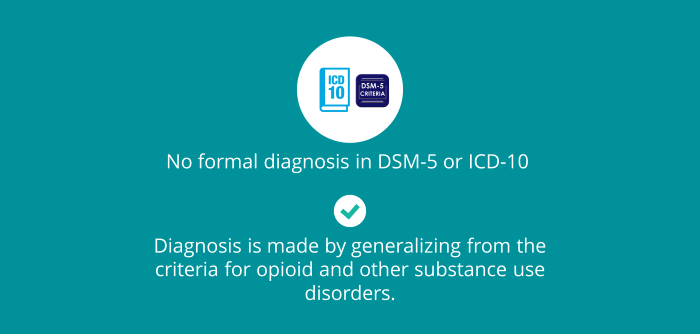
ICD 10, or the International Classification of Diseases, 10th edition, is a standardized coding system used by healthcare providers to document medical diagnoses and procedures. The opioid ICD 10 codes are specific codes used to represent conditions related to opioid use, misuse, addiction, and overdose.
The ICD 10 coding system is essential for ensuring accurate data collection, reimbursement, and tracking of opioid-related health issues. Whether you’re a healthcare provider, a medical biller, or someone working in the field of insurance claims, understanding these codes is crucial for maintaining accuracy in the billing process.
Why Opioid ICD 10 Codes Are Important for Medical Billing Professionals
For medical billing professionals, using the correct opioid ICD 10 code is essential to avoid claim denials and ensure that providers are reimbursed appropriately. Accurate coding helps avoid compliance issues and ensures that the healthcare provider can receive the correct payment for services rendered.
Here are some reasons why opioid ICD 10 codes are essential in medical billing:
-
Proper Reimbursement: Correctly identifying opioid-related conditions through accurate coding ensures providers get reimbursed for treatments, medications, and procedures related to opioid use.
-
Regulatory Compliance: Healthcare providers are required to follow certain guidelines and regulations when it comes to documenting opioid use. Accurate opioid ICD 10 coding ensures compliance with federal and state regulations.
-
Data Reporting: The use of opioid ICD 10 codes helps collect valuable data for public health tracking, research, and policy development related to opioid use and addiction.
-
Preventing Fraud and Abuse: By using specific opioid ICD 10 codes, healthcare providers can differentiate between patients who are using opioids for legitimate purposes versus those who may be involved in opioid misuse or abuse.
Commonly Used Opioid ICD 10 Codes
There are several different opioid ICD 10 codes that correspond to various opioid-related conditions. Some of the most common ones include:
-
F11.20 – Opioid Use Disorder, Uncomplicated: This code is used to document individuals who have an opioid use disorder but are not experiencing withdrawal or other complications.
-
F11.21 – Opioid Use Disorder, In Remission: This code is used for patients who have previously been diagnosed with opioid use disorder but are no longer actively using opioids.
-
F11.22 – Opioid Use Disorder, With Withdrawal: This code is used for individuals experiencing opioid withdrawal symptoms.
-
T40.0X1 – Poisoning by Heroin: This code is used to document cases where a patient has overdosed on heroin, an opioid drug.
-
T40.2X1 – Poisoning by Methadone: This code is used for methadone overdoses, which can occur in both therapeutic and non-therapeutic settings.
Understanding which opioid ICD 10 code to use is critical for the correct billing process. Incorrect coding can lead to claim denials, delays in payment, and potential compliance issues.
How to Accurately Code Opioid-Related Diagnoses
The process of accurately coding opioid-related diagnoses requires a thorough understanding of the patient’s condition. As a medical biller, it is essential to review the patient’s medical records carefully to ensure that you are selecting the correct opioid ICD 10 code. Here’s how you can ensure accuracy:
-
Obtain Complete Documentation: Ensure that the healthcare provider has documented all relevant information about the patient’s opioid use or addiction. This includes details about the type of opioid used, the severity of the condition, and any related symptoms such as withdrawal.
-
Choose the Correct Code: Select the opioid ICD 10 code that most accurately reflects the patient’s condition. For example, use F11.20 for uncomplicated opioid use disorder or F11.21 for opioid use disorder in remission.
-
Consider Comorbid Conditions: If the patient has other conditions that need to be addressed, be sure to use additional ICD 10 codes to capture those diagnoses. For example, opioid use disorder may co-occur with mental health disorders, which should also be coded appropriately.
-
Stay Updated on Code Changes: The ICD 10 coding system is updated regularly. Ensure that you are using the most up-to-date codes when documenting opioid-related diagnoses.
-
Verify Coding with the Healthcare Provider: If you’re unsure about which opioid ICD 10 code to use, reach out to the healthcare provider for clarification.
Challenges in Coding Opioid-Related Diagnoses
While opioid ICD 10 coding is critical, it also presents several challenges for medical billers. Some of these challenges include:
-
Changing Regulations: The opioid crisis has prompted changes in healthcare policies and regulations, which can make it difficult to stay up-to-date on the latest coding requirements.
-
Comorbidity Complications: Many patients with opioid use disorder have other conditions such as mental health disorders, which complicate the coding process. It’s essential to ensure that all relevant conditions are documented.
-
Coding for Overdose and Poisoning: Accurately coding opioid overdoses, such as heroin or methadone overdoses, can be challenging due to the variety of possible complications and treatment protocols involved.
Despite these challenges, accurate opioid ICD 10 coding is essential for ensuring proper reimbursement and regulatory compliance.
How Icon Billing LLC Can Help with Opioid ICD 10 Coding
At Icon Billing LLC, we specialize in medical billing and coding services, including opioid ICD 10 coding. Our team of experts is dedicated to providing accurate coding services that ensure timely reimbursement and compliance with industry regulations. Here’s how we can help:
-
Expert Coding Services: Our team is proficient in coding for opioid-related conditions, ensuring that all diagnoses are accurately documented using the correct opioid ICD 10 codes.
-
Compliance Assurance: We stay up-to-date on all regulatory changes and ensure that our clients remain compliant with current guidelines.
-
Training and Support: We offer training for healthcare providers and medical billing professionals on how to use opioid ICD 10 codes correctly and efficiently.
By partnering with Icon Billing LLC, you can streamline your medical billing process and ensure that you are using the correct opioid ICD 10 codes for all opioid-related diagnoses.
Conclusion: The Role of Opioid ICD 10 Codes in Effective Medical Billing
In conclusion, opioid ICD 10 codes play a vital role in the medical billing process. Accurate coding is essential for proper reimbursement, regulatory compliance, and the effective tracking of opioid-related health issues. By understanding and using these codes correctly, medical billing professionals can help healthcare providers navigate the complexities of opioid-related treatments and ensure that their claims are processed smoothly.
At Icon Billing LLC, we are committed to helping you master the art of accurate coding, ensuring that you receive proper reimbursement for services provided to patients with opioid-related conditions.