The Essential Guide to Medical Coding:
Medical coding is an essential part of the healthcare industry that ensures proper reimbursement and compliance with regulations. It involves translating healthcare services, diagnoses, and procedures into standardized codes used for insurance billing and medical record-keeping. Accurate medical coding is crucial for healthcare providers to receive proper compensation, maintain compliance, and avoid costly errors.
In this blog post, we will delve into the world of medical coding, its importance, and how it impacts the revenue cycle management of healthcare providers. Whether you are a medical professional, practice manager, or billing specialist, understanding the role of medical coding will help you streamline your operations and ensure the success of your healthcare business.
What is Medical Coding?
Medical coding is the process of assigning standardized codes to medical diagnoses, procedures, treatments, and services provided by healthcare professionals. These codes are essential for accurate billing, insurance claims, and maintaining proper medical records. The codes used in medical coding are developed by organizations like the American Medical Association (AMA) and are based on the International Classification of Diseases (ICD) system, Current Procedural Terminology (CPT) codes, and Healthcare Common Procedure Coding System (HCPCS).
Medical coding serves several key functions:
-
Accurate Billing: Medical codes ensure that healthcare providers receive proper reimbursement for their services.
-
Medical Record Keeping: Codes help maintain detailed and accurate patient records for future reference.
-
Compliance: Correct medical coding ensures healthcare providers meet regulatory requirements and avoid penalties.
-
Data Analysis: Medical codes allow for the collection of healthcare data, which can be used for research, public health analysis, and more.
The Different Types of Medical Codes
There are several types of codes used in medical coding, each serving a specific purpose. These include:
-
ICD Codes (International Classification of Diseases): These codes are used to identify diagnoses and medical conditions. The ICD-10 code set is the most widely used version in the United States.
-
CPT Codes (Current Procedural Terminology): These codes are used to describe medical procedures and services. CPT codes are primarily used by physicians and healthcare providers to report services rendered.
-
HCPCS Codes (Healthcare Common Procedure Coding System): HCPCS codes are used for services, equipment, and supplies not covered by CPT codes. This includes items such as durable medical equipment and ambulance services.
Each of these coding systems plays a vital role in ensuring that healthcare providers are reimbursed accurately for their services and comply with all necessary regulations.
Why is Medical Coding So Important?
Medical coding is the backbone of the healthcare industry and serves a variety of important purposes. Let’s explore why it’s so crucial for healthcare providers:
1. Ensures Proper Reimbursement
One of the primary reasons why medical coding is so essential is that it ensures healthcare providers are reimbursed for their services. Insurance companies use medical codes to determine the appropriate payment for the services rendered. If the codes are incorrect, the healthcare provider may face underpayment, delays, or even denial of claims.
2. Ensures Compliance with Regulations
Accurate medical coding is critical for ensuring that healthcare providers comply with various regulations, including those set forth by the Centers for Medicare and Medicaid Services (CMS), the Health Insurance Portability and Accountability Act (HIPAA), and the Affordable Care Act (ACA). Failure to comply with these regulations can result in penalties and loss of accreditation.
3. Helps Prevent Fraud and Abuse
Proper medical coding helps prevent fraudulent claims by ensuring that all services rendered are accurately reported. Incorrect or fraudulent coding can lead to investigations, fines, and legal issues for healthcare providers.
4. Improves Patient Care and Record Keeping
Accurate medical coding also plays a role in maintaining accurate medical records, which are vital for patient care. Codes allow healthcare professionals to track medical history, treatments, and diagnoses, ensuring that patients receive the best care possible.
5. Supports Healthcare Research
Medical coding contributes to the collection of healthcare data, which can be used for research, public health analysis, and policy-making. By coding medical procedures and diagnoses accurately, healthcare providers and organizations can generate valuable insights into disease trends, treatment efficacy, and more.
The Medical Coding Process
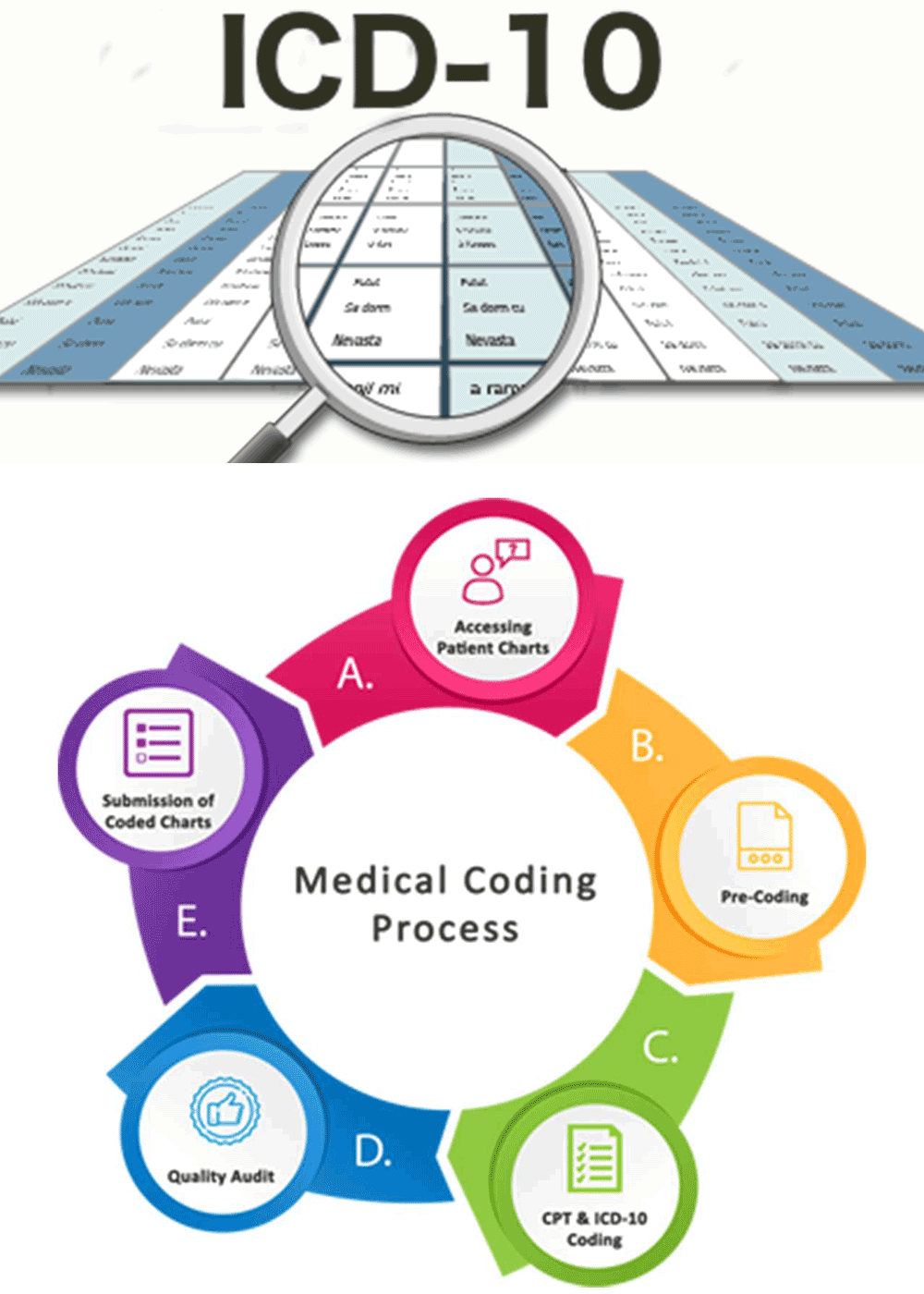
The process of medical coding involves several key steps to ensure that all codes are accurate and compliant. These steps include:
-
Reviewing Patient Information: The first step in medical coding is to review the patient’s medical records, including their diagnosis, treatment, and procedures performed. This information is usually provided by the healthcare provider.
-
Selecting the Appropriate Codes: The coder selects the appropriate codes for the diagnoses, procedures, and treatments based on the provided documentation. This requires a deep understanding of the ICD, CPT, and HCPCS coding systems.
-
Assigning Codes to Claims: Once the codes are selected, they are added to the claim form. These codes are used to describe the services provided and are submitted to the insurance company or payer for reimbursement.
-
Ensuring Accuracy: Accuracy is critical in medical coding. Coders must ensure that the codes selected match the documentation and are in compliance with regulations. Errors in coding can lead to claim denials or underpayment.
-
Reviewing and Submitting Claims: After the codes are assigned, the claim is reviewed for accuracy and completeness before being submitted to the payer for reimbursement. If there are any issues with the claim, such as incorrect codes, the coder must address them before resubmitting.
Challenges in Medical Coding
While medical coding is essential for healthcare providers, it’s not without its challenges. Here are some common difficulties faced in the field of medical coding:
-
Complexity of the Coding Systems: With hundreds of thousands of codes in the ICD, CPT, and HCPCS coding systems, it can be challenging for coders to stay up-to-date with all the changes. Mistakes can happen, especially when codes are updated or revised.
-
Increased Demand for Accuracy: As the healthcare industry continues to evolve, the need for accurate medical coding has never been greater. Incorrect coding can lead to claim denials, delayed payments, and compliance issues.
-
Time Constraints: Medical coding is often performed under tight deadlines, particularly in busy medical practices. Coders must work quickly to ensure that all codes are submitted on time, which can sometimes lead to mistakes.
-
Changes in Regulations: The ever-changing regulations in healthcare, such as changes to the Affordable Care Act and HIPAA, mean that coders must stay informed about the latest updates and changes to ensure compliance.
-
Training and Certification: Proper training and certification are essential for coders to perform their job accurately. However, ongoing education and certification are required to keep up with the evolving coding systems and industry changes.
The Future of Medical Coding
The future of medical-coding is being shaped by technology. With advancements in artificial intelligence (AI) and automation, medical-coding is becoming more efficient and accurate. AI can assist coders by automating repetitive tasks, reducing the risk of human error, and speeding up the coding process.
Additionally, electronic health records (EHR) systems are making it easier for coders to access patient information, improving the efficiency of the coding process. These technologies are expected to transform the way medical-coding is performed in the future, making it faster and more accurate.
How Icon Billing LLC Can Help with Medical Coding
At Icon Billing LLC, we understand the importance of accurate medical-coding and its impact on your business. Our team of certified medical coders is experienced in handling all types of medical-coding for healthcare providers, including physicians, hospitals, and clinics.
We offer the following services to help healthcare providers optimize their coding and billing processes:
-
Accurate Medical-Coding: Our certified coders ensure that all codes are accurate, up-to-date, and compliant with regulations.
-
Claim Submission and Follow-up: We handle the entire claims process, from coding to submission and follow-up, ensuring timely reimbursement.
-
Compliance Assurance: We ensure that your practice remains compliant with all relevant regulations, reducing the risk of audits and penalties.
-
Revenue Cycle Management: Our services streamline your revenue cycle, improving cash flow and reducing denials.
By partnering with Icon Billing LLC, you can focus on providing quality patient care while we handle your medical-coding and billing needs.