
Introduction
The Sunshine Act, a significant piece of legislation in the healthcare industry, aims to increase transparency and reduce conflicts of interest. Specifically, it focuses on financial relationships between healthcare providers, pharmaceutical companies, and medical device manufacturers. As medical billing professionals, understanding the Sunshine Act is crucial, as it directly influences how healthcare providers report financial transactions and impacts billing practices.
In this comprehensive guide, we will explore the purpose of the Sunshine Act, its implications for medical billing, and why it is important for healthcare professionals to comply with the law. We’ll also discuss how the Act affects medical billing companies and what steps can be taken to ensure transparency in billing practices.

What is the Sunshine Act?
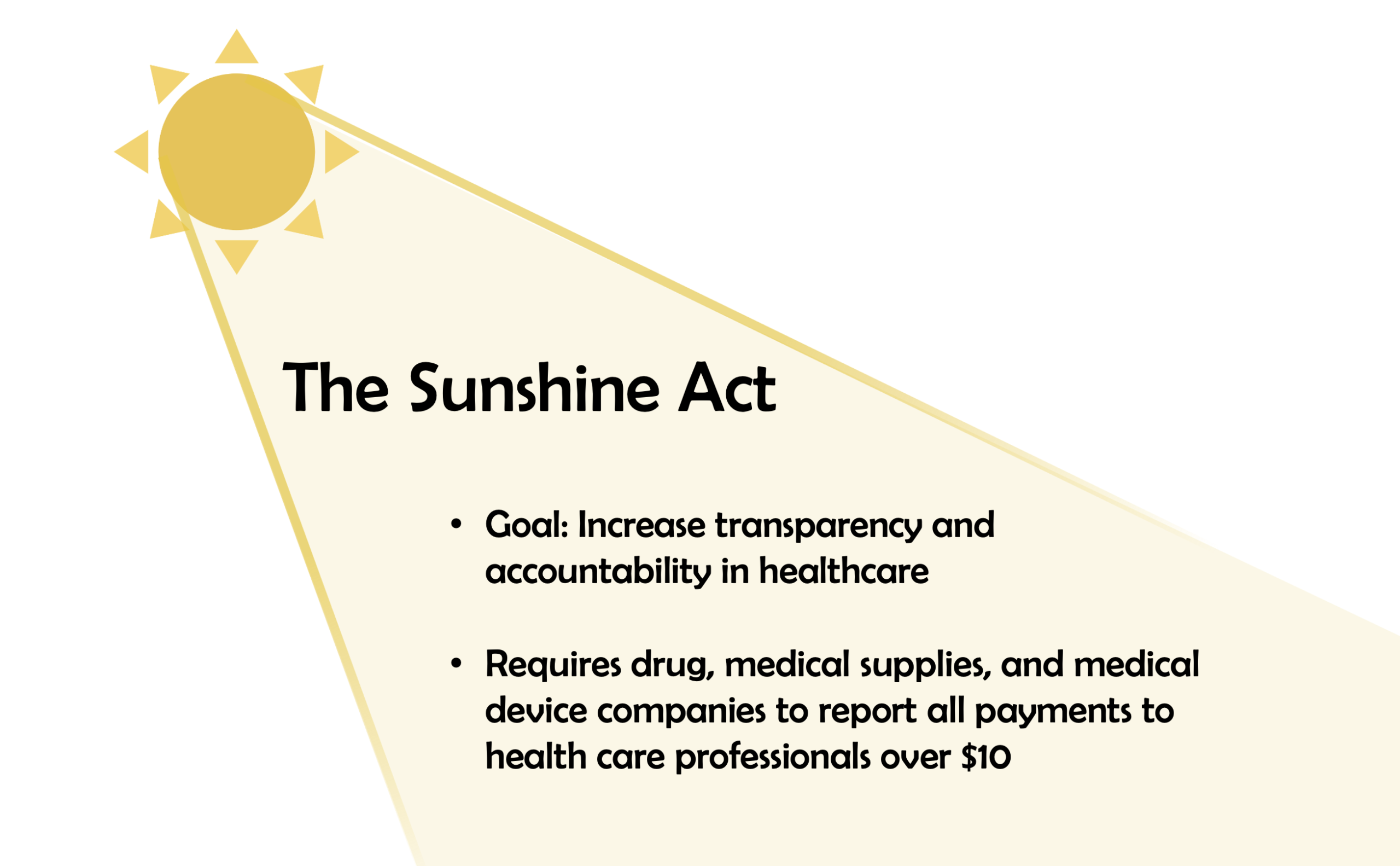
The Sunshine Act, officially known as the “Physician Payments Sunshine Act,” was enacted as part of the Affordable Care Act (ACA) in 2010. Its main goal is to promote transparency in healthcare by requiring pharmaceutical and medical device manufacturers to report payments and other transfers of value made to physicians, teaching hospitals, and other healthcare providers.
The Act mandates that these financial relationships be publicly disclosed, allowing patients and the public to see any potential conflicts of interest that may arise from these relationships. The primary intention behind the Sunshine Act is to help reduce fraud, waste, and abuse within the healthcare system by ensuring that healthcare providers’ financial relationships with industry partners are visible to the public.
Key Provisions of the Sunshine Act
The Sunshine Act includes several key provisions that have a direct impact on medical billing and the overall healthcare industry:
-
Disclosure of Payments and Transfers of Value: Manufacturers of drugs, devices, and biologics are required to report any payments or transfers of value made to healthcare providers. These can include consulting fees, speaking engagements, research funding, gifts, meals, and travel reimbursements.
-
Reporting Requirements: Pharmaceutical companies and medical device manufacturers must report these transactions annually to the Centers for Medicare & Medicaid Services (CMS). The information is then made publicly available in the Open Payments database, which is accessible to anyone.
-
Types of Transactions Covered: The Sunshine Act covers a wide range of financial transactions, including direct payments, research funding, and indirect payments made through third parties. Providers must ensure that these transactions are accurately reported to avoid penalties.
-
Exemptions and Exceptions: Not all transactions need to be reported. Some exemptions apply, such as small gifts or payments under a certain threshold. However, healthcare providers should still stay updated on what qualifies as reportable to ensure compliance.
Why is the Sunshine Act Important for Medical Billing?
The Sunshine Act plays a vital role in the medical billing process, as it directly affects how healthcare providers report payments and financial interactions. The information provided by pharmaceutical companies and medical device manufacturers must be accurately reflected in the medical billing records of healthcare providers. Here’s why the Sunshine Act is essential for medical billing:
-
Promoting Transparency: Medical billing companies need to be aware of the payments and financial relationships that healthcare providers have with pharmaceutical companies and device manufacturers. The Sunshine Act ensures that these relationships are transparent and publicly available.
-
Preventing Fraud and Abuse: By disclosing financial transactions, the Sunshine Act helps prevent fraud and abuse in the healthcare industry. Medical billing companies can use this information to identify potential conflicts of interest and ensure that billing practices are legitimate and ethical.
-
Compliance with Reporting Requirements: As a medical billing professional, it is your responsibility to ensure that healthcare providers are compliant with the Sunshine Act’s reporting requirements. Non-compliance can lead to significant penalties, which can impact both the healthcare provider and the billing company.
-
Improved Billing Accuracy: With financial transactions disclosed and publicly available, medical billing companies can more accurately match payments and reimbursements to the correct healthcare services. This helps reduce errors in billing and ensures that claims are processed correctly.
How the Sunshine Act Affects Healthcare Providers and Medical Billing
Healthcare providers, including physicians, hospitals, and teaching institutions, are directly impacted by the Sunshine Act. It requires them to report any payments or transfers of value they receive from pharmaceutical or medical device manufacturers. Here’s how the Act affects healthcare providers and medical billing companies:
1. Impact on Physicians and Providers
Physicians are required to report any payments or gifts they receive from manufacturers, including travel expenses, meals, or consulting fees. This means that the financial relationship between providers and industry partners must be tracked and accurately reported to ensure transparency.
For medical billing companies, this means that they must ensure that these reported payments are correctly reflected in the provider’s billing records. Medical billing professionals need to confirm that there are no discrepancies in the reported financial transactions and that the payments align with the services provided.
2. Impact on Medical Billing Companies
Medical billing companies are responsible for managing the documentation and ensuring that the information provided by healthcare providers is accurate. Since the Sunshine Act mandates transparency, billing companies must be diligent in tracking and reporting payments to avoid any conflicts of interest. This includes:
-
Verifying financial disclosures from healthcare providers.
-
Ensuring that all necessary payments are documented properly.
-
Helping healthcare providers maintain accurate and up-to-date records.
It’s also essential that medical billing companies stay informed about changes in the Sunshine Act and its provisions to ensure continued compliance.
3. Penalties for Non-Compliance
Failure to comply with the Sunshine Act can result in serious consequences for healthcare providers and medical billing companies. These penalties can include:
-
Fines: Manufacturers and healthcare providers can face fines for failing to report payments or for reporting incorrect information.
-
Reputational Damage: Non-compliance can lead to damage to the provider’s reputation and may erode public trust in the healthcare system.
-
Legal Action: In extreme cases, failure to comply with the Sunshine Act can lead to legal action and criminal penalties.
How to Ensure Compliance with the Sunshine Act
To avoid penalties and ensure compliance with the Sunshine Act, healthcare providers and medical billing companies must take specific steps:
-
Stay Updated on Requirements: The regulations surrounding the Sunshine Act can change, so it’s essential to stay updated on the latest requirements from the Centers for Medicare & Medicaid Services (CMS). This will help ensure that all reporting is accurate and timely.
-
Accurate Documentation: Healthcare providers should maintain detailed records of all payments and gifts received from manufacturers. Medical billing companies should ensure that these transactions are reflected accurately in billing records.
-
Train Staff: Both healthcare providers and medical billing companies should provide training for staff members to ensure they understand the requirements of the Sunshine Act. This includes identifying reportable transactions and ensuring compliance with all rules.
-
Work with Compliance Experts: Medical billing companies can benefit from working with compliance experts who are familiar with the Sunshine Act. This helps ensure that all necessary reporting is completed correctly and on time.
Conclusion
The Sunshine Act has become an essential part of the healthcare landscape, promoting transparency and reducing conflicts of interest. For medical billing companies, understanding the Sunshine Act is crucial for ensuring compliance and maintaining ethical billing practices. By staying informed and adhering to the provisions of the Act, healthcare providers and billing companies can avoid penalties and contribute to a more transparent healthcare system.
If you need help navigating the complexities of the Sunshine Act and its impact on medical billing, Icon Billing LLC is here to assist you. Our team of professionals can help ensure that your billing practices are in line with the Sunshine Act and other regulatory requirements. Reach out today for a consultation!