Introduction to SOB ICD 10
In the world of medical billing and coding, the accuracy of diagnosis codes is paramount. One such code that plays a critical role in respiratory diagnosis is the SOB ICD 10 code. If you’re a healthcare provider, medical biller, or coder, understanding the nuances of this code is essential for correct documentation and billing. In this guide, we will dive deep into the significance of SOB ICD 10, how it is used, and how it affects medical billing processes.

What Does SOB Stand For in ICD 10?
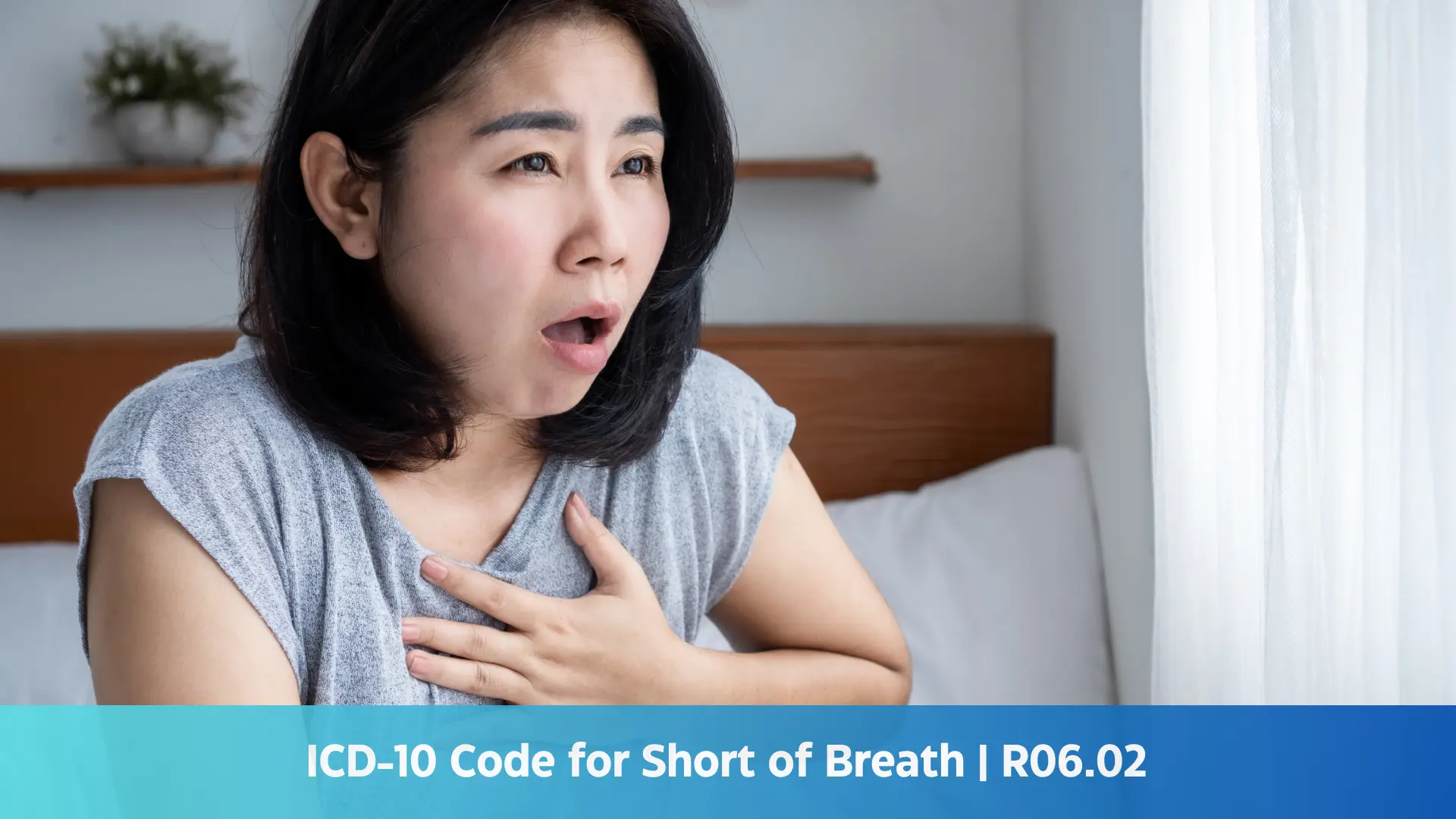
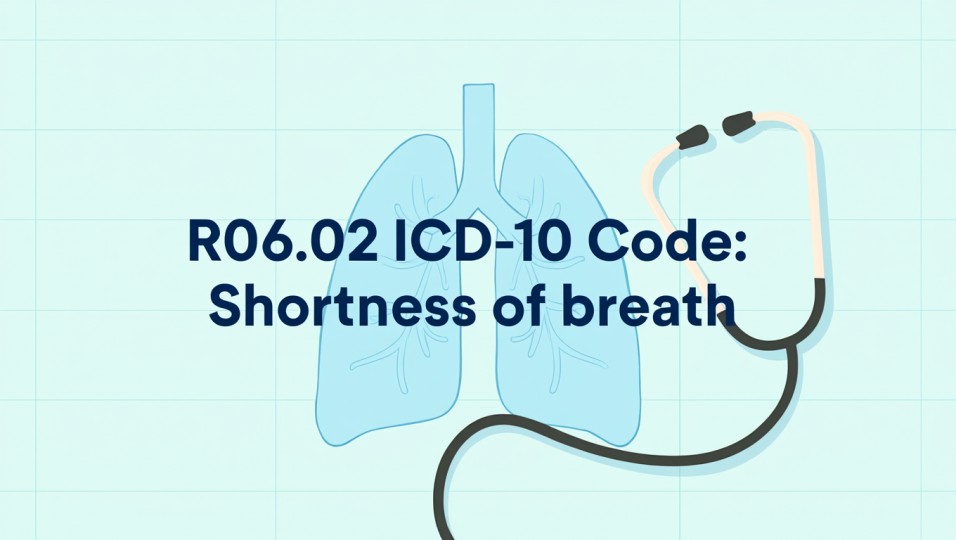
SOB stands for “Shortness of Breath,” a common symptom experienced by patients and one that can be attributed to various medical conditions. In the ICD 10 coding system, SOB refers to a clinical diagnosis used to categorize patients with this particular symptom. The ICD 10 code for Shortness of Breath (SOB) is crucial for medical professionals to accurately describe this condition in their patient records.
SOB ICD 10 codes are often used in conjunction with other codes to diagnose underlying causes, such as pneumonia, asthma, heart failure, and chronic obstructive pulmonary disease (COPD). Without the accurate use of the SOB ICD 10 code, a healthcare provider may struggle to receive appropriate reimbursement for the care provided.
The Role of SOB ICD 10 in Medical Billing
One of the most critical functions of the SOB ICD 10 code is its impact on medical billing and insurance claims. Accurate coding ensures that the healthcare provider is reimbursed properly for the services rendered. When a patient presents with SOB, the correct ICD 10 code must be used for billing purposes. If the code is incorrect or omitted, it can lead to claim denials, underpayments, or delays in reimbursement.
In addition to SOB ICD 10 codes, healthcare providers may need to use additional codes to capture more specific conditions or related complications. For instance, if a patient has SOB due to asthma, the code for asthma should be included alongside the SOB ICD 10 code. This level of detail is necessary for proper reimbursement and treatment planning.
ICD 10 Codes for SOB: A Breakdown
The SOB ICD 10 code varies depending on the severity, cause, and underlying condition associated with shortness of breath. Here are a few commonly used codes related to SOB:
-
R06.02 – Shortness of breath
-
R06.09 – Other forms of dyspnea
-
J44.9 – Chronic obstructive pulmonary disease (COPD)
-
I50.9 – Heart failure, unspecified
-
J18.9 – Pneumonia, unspecified organism
As you can see, SOB ICD 10 coding is not just about the symptom itself but also about capturing the possible causes behind it. Proper coding ensures that both the diagnosis and treatment are fully covered for accurate billing and care planning.
The Importance of Accurate SOB ICD 10 Coding
Accurate coding is crucial for healthcare providers to avoid legal and financial consequences. Incorrect SOB ICD 10 coding can lead to a host of issues, including claim denials and potential audits by insurance companies. Additionally, precise coding helps providers ensure that patients receive the appropriate care and that medical records are complete and up-to-date.
Proper SOB ICD 10 coding also supports the healthcare provider’s ability to track patient symptoms and outcomes over time. This allows for more accurate reporting, better decision-making, and ultimately, improved patient care.
Common Conditions Associated with SOB ICD 10 Codes
Shortness of breath is not a standalone condition; it’s typically a symptom that arises from various underlying medical issues. Here are some of the most common conditions associated with SOB that require proper ICD 10 coding:
-
Asthma – Asthma-related SOB can be severe and chronic. Proper coding helps track patient symptoms, treatment, and response to therapy.
-
COPD – Chronic obstructive pulmonary disease is one of the leading causes of SOB, especially in older adults. Accurate coding ensures proper reimbursement and treatment.
-
Heart Failure – Heart failure-related SOB is a serious concern, and timely diagnosis and coding are crucial for treatment.
-
Pneumonia – SOB due to pneumonia requires precise coding to ensure proper reimbursement for the healthcare provider’s services.
SOB ICD 10: Key Considerations for Accurate Billing
When billing for SOB-related services, it’s essential to consider the following factors to avoid errors in the coding process:
-
Code Specificity – Always use the most specific code available. The SOB ICD 10 codes are often accompanied by additional codes for specific causes, so using these will ensure accurate billing.
-
Documentation – Proper documentation is key. The physician’s notes must indicate the cause of SOB, along with any other contributing factors. Without clear documentation, billing may be rejected or delayed.
-
Modifiers – If the SOB is part of a larger diagnosis, using modifiers can help clarify the specifics of the condition and its impact on the treatment provided.
How SOB ICD 10 Codes Affect Reimbursement
Insurance companies rely on accurate coding to determine how much they will reimburse healthcare providers for services. When SOB is the primary symptom, the use of an accurate SOB ICD 10 code will help ensure proper payment for services rendered. However, if a more complex condition underlies the SOB, it’s vital to use the correct additional codes to reflect the full extent of the patient’s condition.
Incorrect SOB ICD 10 coding can lead to delays in payment, underpayment, or a complete denial of claims. To avoid these issues, ensure that your coding is as specific as possible, covering both the symptom of SOB and the underlying cause.
The Link Between SOB ICD 10 and Medical Audits
In today’s healthcare environment, audits are a common practice, especially when it comes to medical billing and coding. The use of incorrect SOB ICD 10 codes can trigger audits, as insurance providers may question whether the diagnosis is accurate or substantiated by clinical evidence.
For healthcare providers, the best way to avoid audits related to SOB ICD 10 codes is to ensure that all codes are supported by clear, concise documentation. Proper charting of patient symptoms, diagnoses, and treatments will help you withstand audits and maintain proper reimbursement.
Best Practices for SOB ICD 10 Coding in Medical Billing
Here are some key best practices for handling SOB ICD 10 codes in medical billing:
-
Stay Updated on ICD 10 Guidelines – The ICD 10 coding system is regularly updated, so it’s crucial to stay current with the latest codes and guidelines.
-
Use Comprehensive Coding Systems – Whenever possible, use detailed coding to capture the full scope of the patient’s condition.
-
Educate Your Billing Team – Regular training for your coding and billing team will ensure they are familiar with the latest SOB ICD 10 codes and the correct usage.
-
Verify Documentation with Physicians – Ensure that the physician’s documentation aligns with the SOB diagnosis and supports the use of the correct ICD 10 code.
Conclusion: The Importance of Accurate SOB ICD 10 Coding for Providers and Patients
SOB ICD 10 coding is a vital part of medical billing, ensuring that healthcare providers are reimbursed properly for services related to shortness of breath. By understanding the nuances of SOB ICD 10 codes, their related conditions, and their impact on billing, healthcare professionals can provide better care while avoiding common coding mistakes.
At Icon Billing LLC, we specialize in helping healthcare providers navigate the complexities of medical billing, ensuring accurate coding, and maximizing reimbursement. If you need help with SOB ICD 10 coding or other medical billing concerns, feel free to contact us today!