
Introduction: Why Podiatry ICD 10 Codes Matter More Than Ever
Accurate podiatry ICD 10 codes are the backbone of successful podiatry billing. In today’s healthcare environment, even minor coding errors can result in claim denials, delayed reimbursements, audits, or lost revenue. For podiatrists, clinics, and medical billing teams, mastering podiatry ICD 10 codes is no longer optional—it’s essential.
Medical billing regulations continue to evolve, and insurance payers are scrutinizing claims more closely than ever. Without precise podiatry ICD 10 codes, practices risk underpayment or complete rejection of claims. At Icon Billing LLC, we’ve seen firsthand how proper coding can dramatically improve cash flow and compliance.
This in-depth guide breaks down everything you need to know about podiatry ICD 10 codes, common mistakes to avoid, and proven strategies to protect your revenue.
Podiatry ICD 10 Codes Explained: The Foundation of Accurate Billing
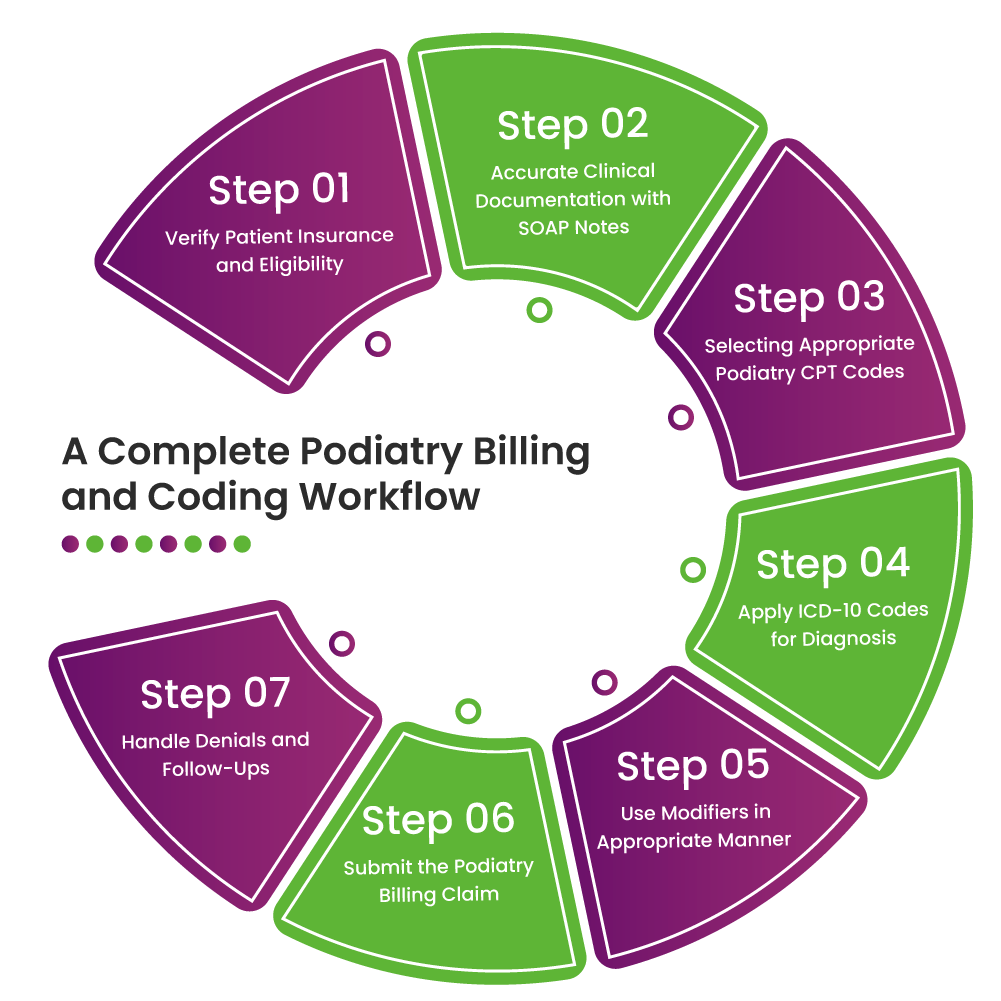
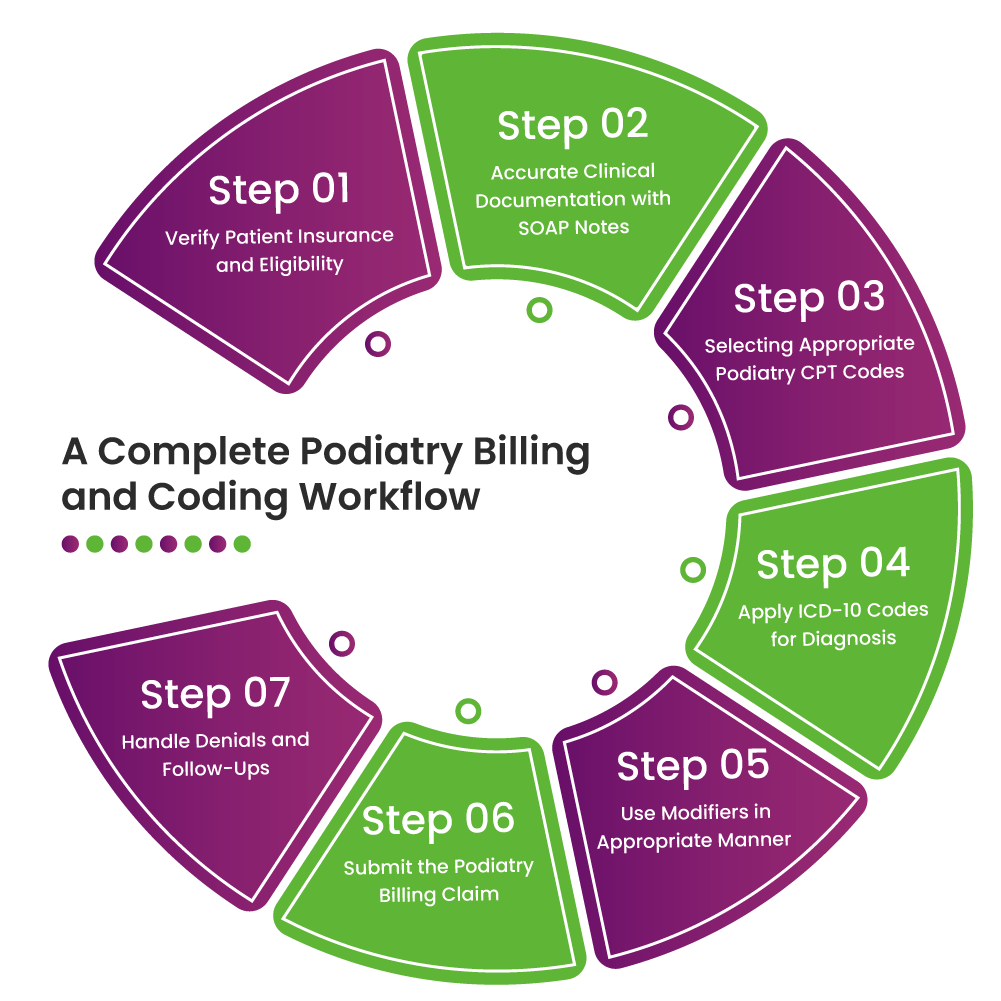
Podiatry ICD 10 codes are standardized diagnosis codes used to describe conditions affecting the foot, ankle, and lower extremities. These codes are part of the ICD-10-CM system maintained by Centers for Medicare & Medicaid Services and are required for all insurance claims.
Podiatrists rely on podiatry ICD 10 codes to justify medical necessity. Without the correct diagnosis code, even perfectly performed procedures may go unpaid. These codes communicate critical clinical details to insurance carriers and must align precisely with CPT procedure codes.
One of the biggest challenges with podiatry ICD 10 codes is specificity. The ICD-10 system demands detailed documentation, including laterality, severity, and encounter type. While this complexity can feel overwhelming, it also allows for more accurate representation of patient conditions—when done correctly.
Most Commonly Used Podiatry ICD 10 Codes
Understanding frequently used podiatry ICD 10 codes helps practices improve efficiency and reduce errors.
Frequently Billed Podiatry ICD 10 Codes
| Condition | ICD 10 Code |
|---|---|
| Plantar fasciitis | M72.2 |
| Onychomycosis | B35.1 |
| Ingrown toenail | L60.0 |
| Foot pain (right) | M79.671 |
| Foot pain (left) | M79.672 |
| Type 2 diabetes with foot ulcer | E11.621 |
| Corns and callosities | L84 |
Accurate selection of podiatry ICD 10 codes ensures that claims reflect the true complexity of care. Using outdated or unspecified codes is a leading cause of claim denials.
Why Incorrect Podiatry ICD 10 Codes Lead to Claim Denials
Even experienced practices struggle with podiatry ICD 10 codes due to frequent updates and payer-specific rules. Common mistakes include:
-
Using unspecified diagnosis codes
-
Missing laterality (left vs. right foot)
-
Mismatched CPT and ICD 10 codes
-
Inadequate clinical documentation
-
Failure to update annual ICD changes
Insurance companies use automated systems to flag inconsistencies. If podiatry ICD 10 codes don’t clearly support medical necessity, claims are denied—no exceptions.
At Icon Billing LLC, we regularly recover revenue for clients whose claims were denied due to coding inaccuracies.
Podiatry ICD 10 Codes for Nail, Skin, and Soft Tissue Conditions
Nail and skin conditions account for a significant portion of podiatry claims. Correct podiatry ICD-10 codes are critical for reimbursement.
Common Nail & Skin ICD 10 Codes
-
B35.1 – Onychomycosis
-
L60.3 – Nail dystrophy
-
L84 – Corns and callosities
-
L97.509 – Non-pressure chronic ulcer of unspecified foot
These podiatry ICD-10 codes often require additional documentation, such as pain levels, infection status, or failed conservative treatments.
Diabetic Foot Conditions and High-Risk Podiatry ICD-10 Codes
Diabetic foot care is one of the most heavily audited areas in podiatry billing. Podiatry ICD-10 codes related to diabetes must be extremely precise.
Examples include:
-
E11.40 – Type 2 diabetes with neuropathy
-
E11.621 – Type 2 diabetes with foot ulcer
-
L97.4XX – Foot ulcer with severity detail
Failure to link diabetes codes properly with podiatry ICD-10 codes can trigger audits or payment recoupments.
Documentation Best Practices for Podiatry ICD-10 Codes
Strong documentation is the backbone of compliant podiatry ICD-10 codes. Providers must clearly record:
-
Chief complaint
-
Medical necessity
-
Location and severity
-
Treatment history
-
Clinical findings
Payers expect documentation to fully support the selected podiatry ICD-10 codes. Inconsistent or vague notes invite denials and audits.
How Outsourced Billing Improves Podiatry ICD 10 Code Accuracy
Managing podiatry ICD-10 codes internally can overwhelm staff and increase error rates. Outsourcing to a specialized billing company like Icon Billing LLC offers measurable benefits:
-
Certified coding experts
-
Real-time ICD updates
-
Reduced denials
-
Faster reimbursements
-
Audit-ready compliance
Our billing specialists stay current with payer policies and ICD changes, ensuring podiatry ICD-10 codes are applied accurately every time.
Frequently Asked Questions About Podiatry ICD-10 Codes
How often do podiatry ICD-10 codes change?
ICD 10 codes are updated annually, typically on October 1.
Can incorrect podiatry ICD-10 codes trigger audits?
Yes. Repeated coding errors can result in payer audits and penalties.
Are unspecified podiatry ICD-10 codes allowed?
They are allowed but discouraged and often lead to denials.
Do podiatry ICD-10 codes affect reimbursement rates?
Absolutely. Incorrect codes can reduce or eliminate payment.
Should podiatrists code their own claims?
Many do, but outsourcing reduces risk and improves accuracy.
How can Icon Billing LLC help with podiatry ICD-10 codes?
We ensure compliant coding, clean claims, and maximum reimbursement.
Conclusion: Accurate Podiatry ICD-10 Codes Protect Your Practice
Mastering podiatry ICD-10 codes is essential for financial stability, compliance, and growth. With increasing scrutiny from payers, precision in coding is no longer optional—it’s critical.
At Icon Billing LLC, we specialize in podiatry billing solutions that eliminate guesswork, reduce denials, and maximize revenue. Our expert team ensures your podiatry ICD-10 codes are accurate, compliant, and optimized for success.
If your practice is struggling with denials or inefficiencies, professional billing support could be the difference between surviving and thriving.