
12 Amazing Features Every Modern Podiatry EHR Should Have
The healthcare industry continues to evolve at a rapid pace, and specialists such as podiatrists are expected to leverage the right technology to enhance patient care and operational efficiency. If you’re running a podiatry clinic, one of the most important investments you’ll make is in a podiatry EHR (Electronic Health Record) system. The right podiatry EHR can significantly improve your workflow, support clinical decision‑making, enhance documentation accuracy, and make billing smoother — especially when paired with expert medical billing services.
In this comprehensive guide, we explore the 12 must‑have features for a modern podiatry EHR, covering both clinical and administrative essentials. We’ll explain why each feature matters, how it impacts your practice, and what to avoid if your current system falls short.
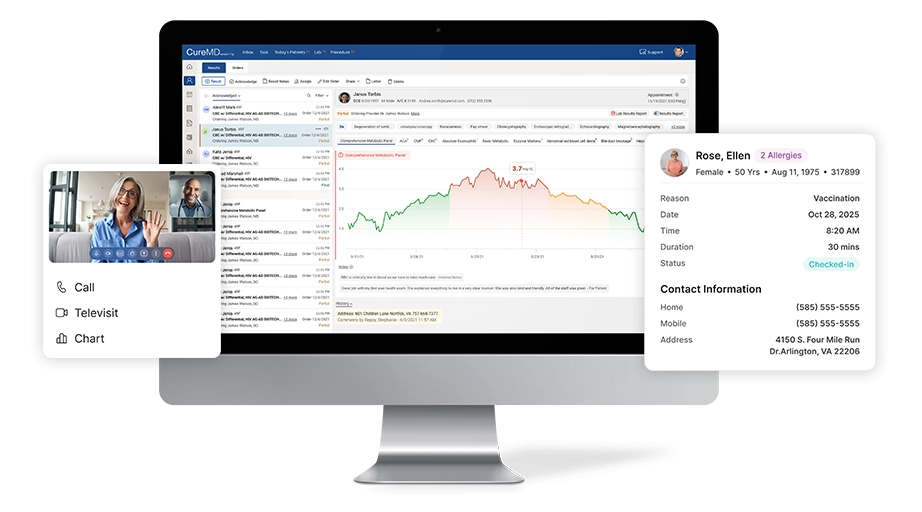
Intuitive User Interface Designed for Podiatrists
The first feature every podiatry EHR must have is an intuitive, podiatry‑specific user interface (UI). The negative consequences of a poorly designed UI include increased documentation errors, clinician frustration, and longer charting times. A clean, logical screen layout enables faster navigation between patient records, treatment plans, and billing codes.
A user‑friendly UI allows podiatrists and clinical staff to focus on patient care rather than struggling with software. When evaluating a podiatry EHR, look for customizable dashboards and one‑click shortcuts so you can tailor the system to your clinic’s unique workflow.
Specialized Podiatry Templates & Documentation
Generic EHR templates can slow you down. A high‑quality podiatry EHR includes templates built specifically for foot and ankle conditions, surgical histories, wound care, orthotic management, and other common podiatric services.
These templates should reduce repetitive typing and help standardize clinical documentation. The best podiatry EHR templates automatically populate with relevant data, minimizing charting time while ensuring thorough clinical notes.
Advanced Clinical Decision Support Tools
A top‑tier podiatry EHR offers clinical decision support tools that help physicians make better decisions. Features like real‑time alerts for drug interactions, reminders for preventive care, and suggestions based on diagnosis codes improve patient safety and treatment accuracy.
Without robust clinical decision support, your practice risks increased errors, unnecessary treatment variations, and lower quality outcomes — all negative impacts you can avoid by choosing the right system.
Seamless E‑Prescribing & Medication Management
Electronic prescribing is no longer optional — it’s essential. An effective podiatry EHR should seamlessly integrate e‑prescribing with medication history, allergy tracking, and refill requests.
When your EHR connects to state prescription drug monitoring programs (PDMPs), it helps reduce opioid misuse and promotes safer prescribing practices. This feature improves patient care and protects your practice from compliance issues.
Meaningful Interoperability & Data Sharing
Interoperability allows your podiatry EHR to communicate with labs, hospitals, imaging centers, and other healthcare providers. That means faster access to diagnostic results, coordinated care plans, and a more holistic view of a patient’s history.
Lack of interoperability is a major pain point in healthcare, often leading to redundant testing, communication breakdowns, and delayed care. Avoid these issues by choosing an EHR with strong data exchange capabilities, including support for CCD and HL7 protocols.
Mobile Access & Telehealth Capabilities
In today’s healthcare environment, mobility matters. A modern podiatry EHR should offer mobile‑friendly access through secure apps or web portals, allowing clinicians to view charts, enter notes, or review lab results from tablets and smartphones.
Additionally, embedded telehealth features are vital in post‑operative follow‑ups, wound care consultations, and patient check‑ins. A system that supports video visits and integrates them with the patient record helps you expand access without additional platforms.
Clinical Reporting & Outcome Dashboards
Actionable reporting tools are key in measuring clinical performance. Your podiatry EHR should provide customizable dashboards that track outcomes such as healing rates, procedure volumes, and compliance with preventive care measures.
Robust reporting helps your practice identify trends, monitor quality improvement initiatives, and prepare for value‑based care contracts. Without solid analytics, you may miss opportunities to improve patient care and practice profitability.
Patient Portal With Engagement Tools
Patient engagement is no longer optional — it’s expected. An effective podiatry EHR includes a secure patient portal where individuals can access their records, schedule appointments, review treatment plans, and make payments.
Engaged patients tend to be more compliant with treatment, show up for appointments more consistently, and have better clinical outcomes. When evaluating EHR systems, ensure the portal is user‑friendly and mobile compatible.
Secure Messaging & Communication
Secure clinician‑to‑patient and clinician‑to‑clinician messaging is another vital component of a top‑notch podiatry EHR. Real‑time communication enhances collaboration and reduces delays in care coordination.
Without secure messaging, your team may rely on phone calls, unsecured texting, or fragmented communication systems — all sources of inefficiency and HIPAA risk. A centralized messaging system within your EHR keeps conversations documented and secure.
Billing Integration & ICD‑10/CPT Accuracy
When your podiatry EHR integrates seamlessly with billing and coding workflows, claims processing becomes smoother and more accurate. Look for systems that help map clinical documentation to appropriate ICD‑10 and CPT codes.
Inaccurate coding is a common reason claims are rejected or underpaid — a negative financial impact no practice wants. When an EHR works in harmony with your billing system, it streamlines charge capture, reduces denials, and accelerates revenue cycle performance.
Compliance & Security Features
Your podiatry EHR must meet HIPAA and HITECH security standards. These include encryption at rest and in transit, audit trails that track user access, and secure login controls with two‑factor authentication.
Security isn’t an optional extra — it’s central to protecting patient data and avoiding costly breaches. Practices that ignore robust compliance features risk fines, reputational damage, and legal exposure.
Cloud‑Based Architecture With Scalability
Finally, a cloud‑based podiatry EHR offers scalability, easier updates, and remote accessibility without the need for complex on‑site servers. Cloud systems minimize IT overhead, provide regular backups, and often deliver superior uptime.
While some practices are hesitant to adopt cloud technology due to perceived risks, modern cloud environments are designed with high‑grade security and resilience. The benefits — from faster deployment to automatic software upgrades — make cloud‑based EHRs the preferred choice for forward‑thinking podiatry clinics.
How the Right Podiatry EHR Improves Your Bottom Line
The features above aren’t just “nice to have” — they directly impact your clinic’s financial and operational success. A powerful podiatry EHR reduces documentation time, minimizes claim rejections, enhances patient satisfaction, and improves communication across the care team.
Paired with a professional medical billing partner like Icon Billing LLC, your practice can unlock even greater financial performance. When podiatry EHR documentation aligns with accurate billing workflows, your claims are processed faster and with fewer denials — resulting in more consistent revenue and less administrative burden.
Common Pitfalls to Avoid When Choosing a Podiatry EHR
Even though podiatry EHR systems are critical, many clinics make mistakes when selecting one:
Choosing Based on Cost Alone
Don’t let price be the only deciding factor. A low‑cost podiatry EHR might lack essential features and lead to workflow challenges down the road.
Ignoring Specialty‑Specific Needs
A generic medical EHR may not support podiatry‑specific workflows. Always choose one built with podiatry in mind.
Overlooking Billing Integration
If your EHR doesn’t integrate with billing or coding tools, you’ll face more manual work and higher chances of errors — especially in ICD‑10 documentation for foot and ankle procedures.
Skipping Interoperability
Without seamless data exchange, your practice may struggle to coordinate care with outside facilities and specialists.
Avoid these pitfalls by evaluating systems thoroughly, piloting workflows, and involving your clinical and administrative teams in the decision.
Conclusion
Choosing the right podiatry EHR can transform your practice — boosting efficiency, improving patient care, and strengthening financial outcomes. A system packed with the 12 features discussed here will set your clinic up for long‑term success.
At Icon Billing LLC, we specialize in medical billing that complements your EHR system and streamlines your revenue cycle. If your clinic is struggling with documentation workflow, billing denials, or practice efficiency, our team can help you maximize your technology investment.
Ready to take your podiatry practice to the next level with the right podiatry EHR solution and expert billing support?
👉 Contact Icon Billing LLC today and discover how easy your practice management can become.