
Blog Post: Understanding Medical Part B: A Comprehensive Guide to Coverage and Billing
In the ever-evolving world of healthcare, understanding the intricacies of your insurance coverage is vital. One such coverage that plays a pivotal role in many individuals’ healthcare plans is Medical Part B. Whether you’re new to Medicare or just need a clearer understanding of how Medical Part B affects your healthcare services, this guide is here to help.
At Icon Billing LLC, we specialize in medical billing and helping you navigate through the complexities of healthcare billing. In this post, we’ll dive deep into what Medical Part B is, what it covers, how it’s billed, and much more. By the end of this post, you’ll have a complete understanding of Medical Part B and how it fits into your healthcare plan.
What Is Medical Part B?
Medical Part B is part of the Medicare program, which is a federal health insurance program primarily for individuals who are 65 years or older, or those under 65 with certain disabilities. Unlike Medical Part A, which primarily covers inpatient services, Medical Part B is designed to cover outpatient services. This includes doctor visits, outpatient hospital services, certain home health services, durable medical equipment (DME), and more.
If you’re wondering whether you need Medical Part B, it’s important to note that most people do. Unlike Part A, which is free for many individuals, Medical Part B typically requires a monthly premium. But the benefits and coverage it offers make it an essential part of your healthcare plan.
What Does Medical Part B Cover?
Understanding what Medical Part B covers is critical when planning your healthcare expenses. The main types of services covered under Part B include:
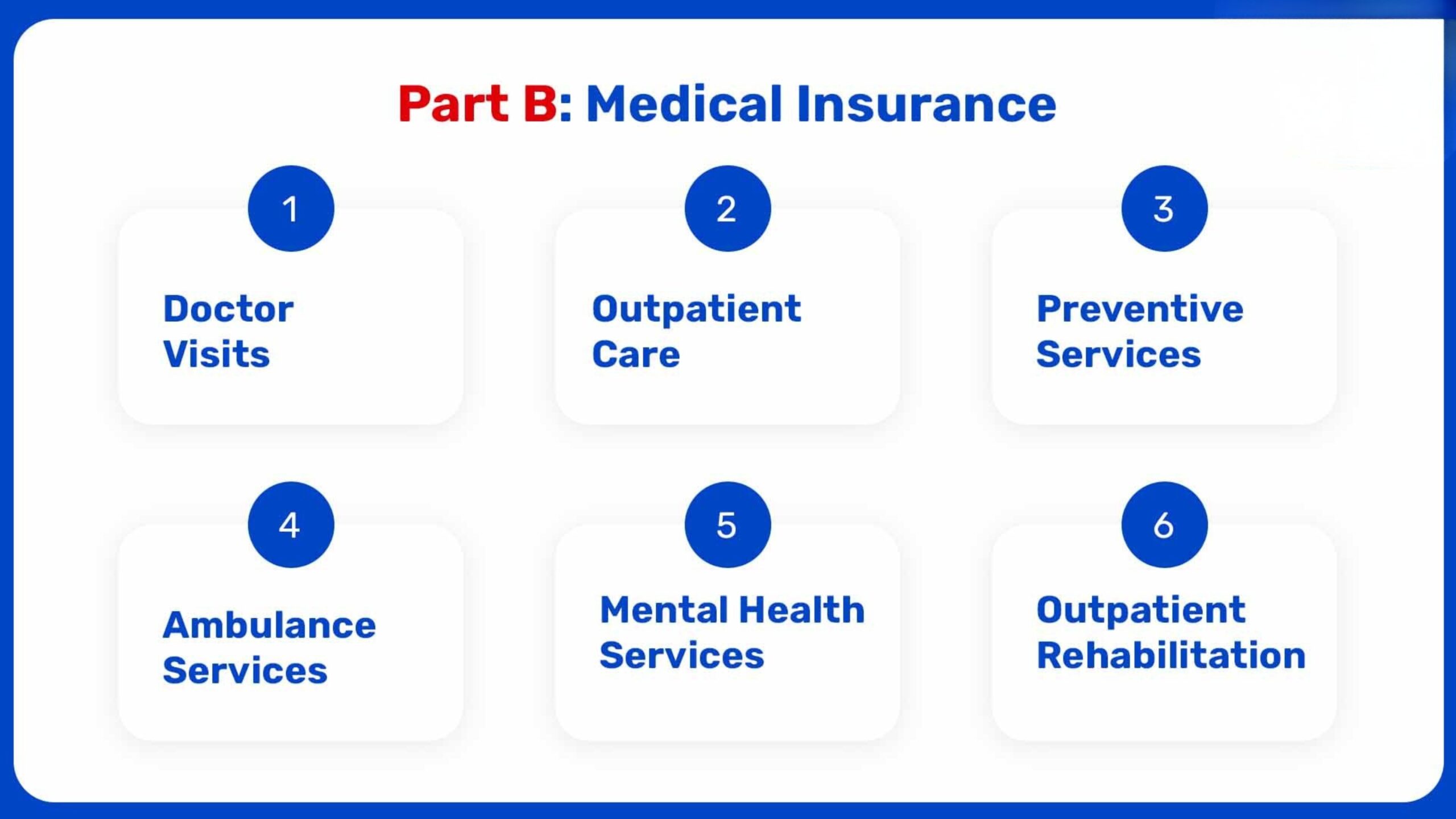
- Doctor Services: This includes visits to your primary care physician, specialists, and any healthcare providers necessary for your diagnosis or treatment.
- Outpatient Care: Services provided outside of a hospital setting, such as outpatient surgeries, chemotherapy, and physical therapy.
- Preventive Services: Vaccines, screenings, and wellness exams that help prevent or catch health conditions early.
- Durable Medical Equipment (DME): Devices like wheelchairs, walkers, and other equipment that help you manage a chronic illness or disability.
- Home Health Services: If you need home care for medical reasons, such as nursing or physical therapy, it can be covered under Part B.
- Ambulance Services: Transportation by ambulance to a medical facility can be covered if deemed medically necessary.
How Is Medical Part B Billed?
When it comes to Medical Part B billing, the process can be a bit complex. Here’s how it generally works:
- Premium Payments: Most people will pay a monthly premium for Medical Part B. The cost can vary depending on your income, but the standard premium amount is set by the government annually.
- Deductible: Each year, you’ll need to pay a deductible for your Part B coverage before Medicare begins to pay its share of the costs. In 2026, the deductible for Part B is typically set at around $226.
- Coinsurance: After the deductible is met, you’ll typically be responsible for paying 20% of the Medicare-approved amount for most services. The remaining 80% is paid by Medicare.
- Medical Billing Codes: Your healthcare provider will submit a bill to Medicare using specific medical billing codes. These codes help identify the type of service or treatment provided. Once Medicare reviews the claim, it will approve or deny the coverage based on the specific rules.
Positive Aspects of Medical Part B
One of the main reasons why Medical Part B is so important to many people is its extensive coverage of outpatient services. Here are some of the positives:
- Comprehensive Coverage: Medical Part B helps cover doctor visits, outpatient procedures, and preventive services that are not covered by Part A. This means that you can maintain your health with regular checkups, screenings, and other vital services.
- Affordable Access to Care: Though there is a monthly premium, Medical Part B is one of the most affordable ways to get access to necessary medical services. Additionally, with the 20% coinsurance, you still have a significant level of coverage for most outpatient care.
- Prevents Delays in Treatment: With the coverage provided by Medical Part B, many people are able to receive medical care without unnecessary delays. This is especially beneficial for individuals with chronic conditions who require regular doctor visits or outpatient care.
Negative Aspects of Medical Part B
While Medical Part B offers extensive benefits, it’s not without its downsides. Here are a few aspects to consider:
- Premiums and Out-of-Pocket Costs: Although the cost of Part B premiums is relatively affordable for many individuals, it still requires a monthly payment. Additionally, you’ll have to pay a deductible and coinsurance, which may add up, especially if you require a lot of medical care.
- Limited Coverage: While Part B covers many outpatient services, it doesn’t cover everything. For example, it doesn’t typically cover prescription drugs (that’s what Part D is for), dental care, or vision services.
- Out-of-Pocket Expenses: The 20% coinsurance can still be expensive, especially if you require costly outpatient procedures or treatments. These out-of-pocket expenses can quickly add up, particularly for individuals on fixed incomes.
How to Enroll in Medical Part B
Enrolling in Medical Part B is relatively simple. If you are already receiving Social Security benefits when you turn 65, you’ll be automatically enrolled in Part B. However, if you’re not automatically enrolled, you can sign up during your Initial Enrollment Period, which begins three months before your 65th birthday and ends three months after.
It’s also worth noting that there are Special Enrollment Periods for people who are still working and have employer health insurance. If you miss your Initial Enrollment Period, you can sign up during the General Enrollment Period, but you may face a late enrollment penalty.
The Importance of Understanding Medical Part B Billing
At Icon Billing LLC, we understand how overwhelming medical billing can be. Many people often find themselves confused about their Medical Part B coverage, premiums, and out-of-pocket expenses. By gaining a better understanding of how Medical Part B works and how it’s billed, you can better prepare yourself for the costs and avoid any surprise bills down the line.
How Icon Billing LLC Can Help
Navigating the complexities of Medical Part B billing can be time-consuming and frustrating. That’s where Icon Billing LLC comes in. Our expert team specializes in medical billing and can help ensure that your Medical Part B claims are submitted accurately and promptly. We work with healthcare providers and patients alike to make sure that all medical services are properly covered, minimizing your out-of-pocket costs.
Whether you need assistance understanding your bills, filing claims, or dealing with denied services, Icon Billing LLC is here to help. Contact us today for expert advice on Medical Part B and all your medical billing needs.
Conclusion
Understanding Medical Part B is an essential part of managing your healthcare coverage. Whether you’re enrolling for the first time, looking to understand your premiums and coinsurance, or seeking expert billing assistance, it’s important to stay informed. By knowing what Medical Part-B covers, how it’s billed, and what out-of-pocket costs you might face, you can make the most of your healthcare coverage.
Remember, at Icon Billing LLC, we are committed to making medical billing simpler and more transparent for you. If you have any questions about Medical Part-B, or need assistance with billing, don’t hesitate to reach out. We’re here to help you navigate through it all!
Call to Action
For more information or to speak with one of our experts, visit www.iconbilling.com. Let Icon Billing LLC take the stress out of Medical Part-B billing for you!