
Introduction
Understanding Medicaid eligibility can be overwhelming, especially with constantly changing rules and income thresholds. Whether you’re applying for yourself, a family member, or helping clients manage healthcare costs, knowing the details can make the difference between coverage and denial. In this guide, we’ll break down everything you need to know about Medicaid eligibility, including income requirements, application tips, common mistakes, and practical advice for maximizing benefits. By the end, you’ll have a clear roadmap to navigate Medicaid efficiently and confidently.
What is Medicaid and Why Eligibility Matters
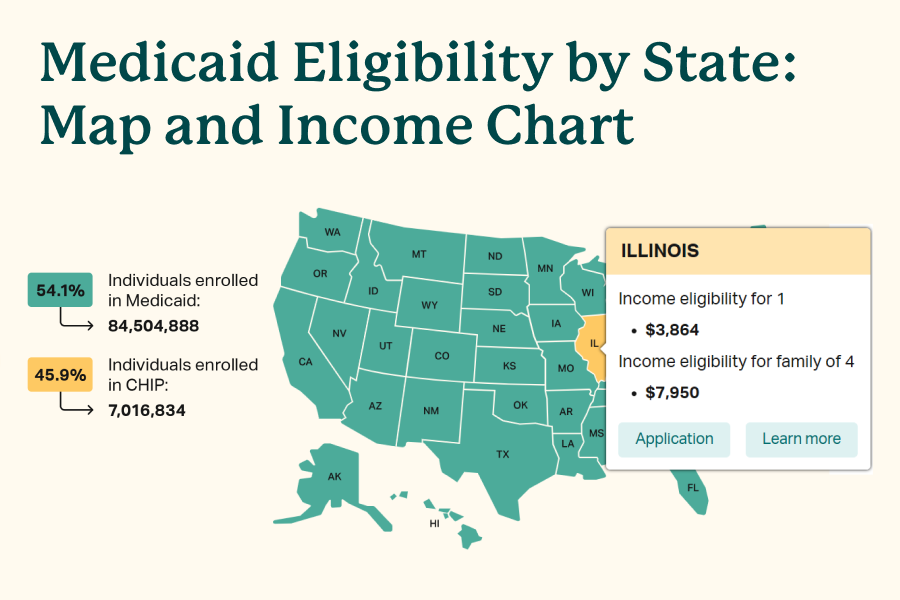
Medicaid is a government-funded health insurance program designed to assist low-income individuals and families. Unlike private insurance, Medicaid coverage varies by state, which makes understanding medicaid eligibility essential.
Eligibility is based on multiple factors, including income, household size, disability status, age, and sometimes even residency duration. Missing a step in your application process can result in delays or denial, leaving you without essential healthcare coverage. Ensuring you understand these requirements upfront is crucial to securing timely access to care.
Income and Asset Requirements for Medicaid Eligibility
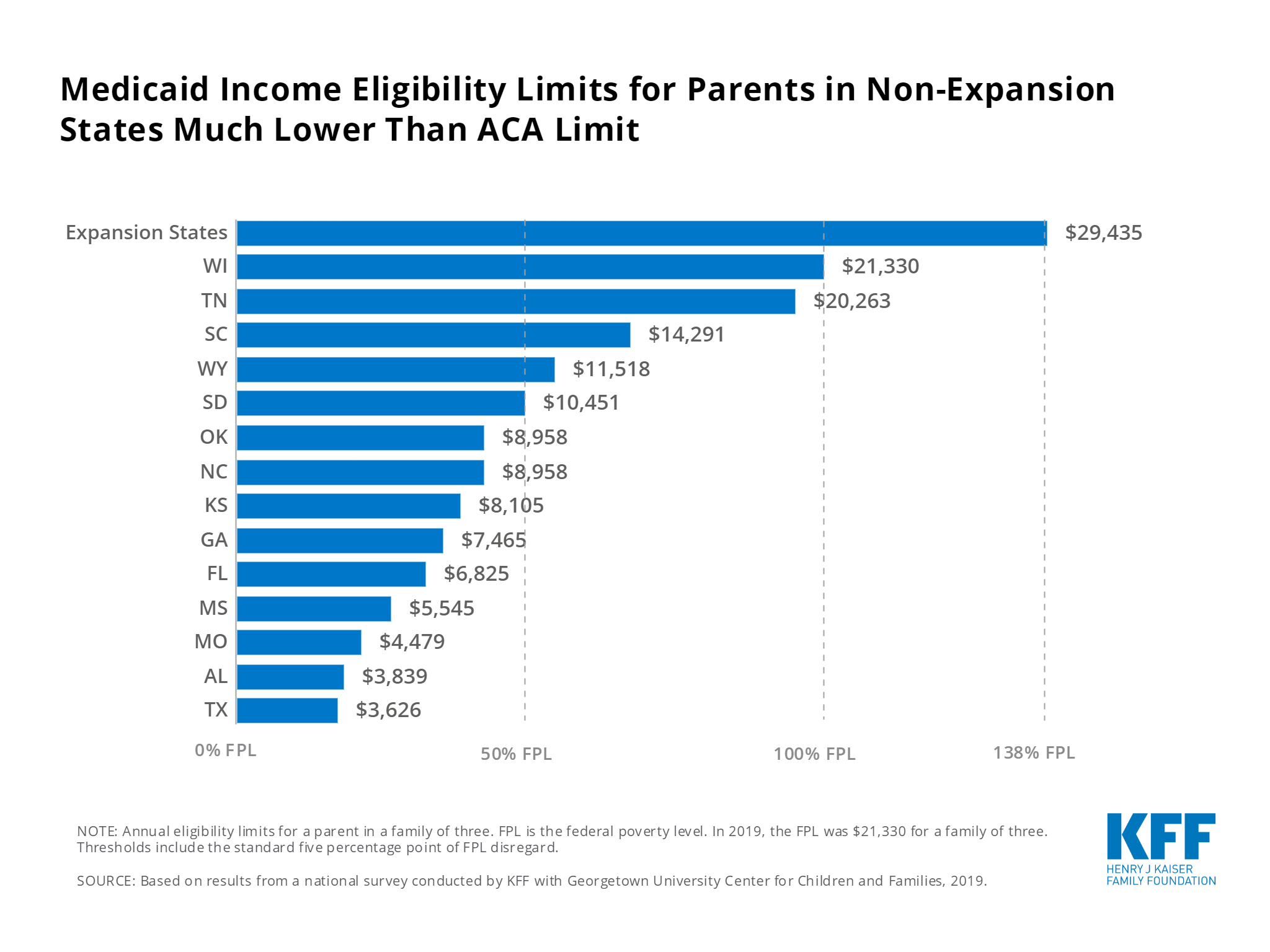
One of the most critical aspects of medicaid eligibility is income verification. Medicaid uses the Federal Poverty Level (FPL) to determine whether an applicant qualifies. States often apply different thresholds, meaning a family might qualify in one state but not in another.
Additionally, some states impose asset limits. Counting assets can be tricky, as certain items like a primary home or personal belongings may be excluded, while bank accounts or investment funds may count toward the limit. Understanding how income and assets are assessed can prevent mistakes that could jeopardize your application.
How Family Size Impacts Medicaid Eligibility
The size of your household directly affects your medicaid eligibility. For instance, a single adult may have a higher income threshold than a family of four. States adjust FPL calculations based on the number of dependents.
This is particularly important for families with children or elderly relatives. Ensuring accurate household reporting during the application process helps avoid errors that can delay approval or lead to unexpected denials. Keeping documentation ready for all household members streamlines the evaluation.
Medicaid Eligibility for Specific Groups
Certain groups have specialized eligibility rules. This includes pregnant women, children, seniors, and individuals with disabilities.
- Pregnant Women: Often receive higher income thresholds for eligibility.
- Children: Programs like CHIP (Children’s Health Insurance Program) complement Medicaid to ensure broader coverage.
- Seniors: May need to meet asset and income requirements while navigating additional programs like Medicare-Medicaid dual eligibility.
- Disabled Individuals: Must often provide detailed medical records to prove eligibility.
Understanding these distinctions is crucial to accurately assess medicaid-eligibility and avoid application pitfalls.
Common Mistakes That Can Affect Medicaid-Eligibility
Many applicants unintentionally hurt their medicaid eligibility chances. Common mistakes include:
- Misreporting income or household size.
- Failing to provide documentation promptly.
- Assuming eligibility automatically transfers if moving states.
- Ignoring renewal deadlines.
Being proactive in avoiding these errors can save significant time and frustration while ensuring continuous coverage.
The Application Process Simplified
The Medicaid application process may seem complex, but breaking it down step by step can help. Most states allow online, mail, or in-person applications. Key tips include:
- Prepare all income and asset documentation in advance.
- Clearly define household members and dependents.
- Track submission dates to avoid missed deadlines.
- Follow up with your state Medicaid office if delays occur.
Following these steps ensures your medicaid eligibility is properly assessed and reduces the chance of denial.
How Changes in Income or Status Affect Medicaid Eligibility
Life changes can impact your medicaid eligibility significantly. Job changes, new family members, or changes in disability status may require immediate reporting to your state Medicaid office.
Failing to report these changes can lead to overpayments or even penalties. Staying informed about how life changes influence eligibility ensures uninterrupted coverage and compliance with state rules.
Medicaid Eligibility Tips for Maximizing Benefits
To make the most of Medicaid:
- Review your state’s income and asset rules regularly.
- Keep organized records of all relevant documents.
- Use local resources or social workers to clarify eligibility questions.
- Consider professional assistance if your application is complex.
Following these tips enhances your medicaid eligibility prospects and ensures you can access all benefits available.
How Icon Billing LLC Can Help
Navigating Medicaid and billing requirements can be complicated. Icon Billing LLC specializes in helping healthcare providers and patients manage claims, understand coverage, and maximize reimbursements. Our team can guide you through Medicaid eligibility verification, submission, and ongoing management, ensuring you avoid costly mistakes and delays.
Learn more about our services here: Icon Billing Services.
FAQs About Medicaid Eligibility
Who qualifies for Medicaid eligibility?
Individuals and families with low income, children, pregnant women, seniors, and those with disabilities may qualify. Eligibility rules vary by state.
Does income affect Medicaid eligibility?
Yes, income is a key factor. States use Federal Poverty Levels to determine eligibility thresholds.
Can Medicaid eligibility change over time?
Absolutely. Changes in income, household size, or disability status can affect eligibility.
What documents are needed to apply for Medicaid?
Common documents include proof of income, household information, ID, and medical records if applicable.
Is Medicaid eligibility the same in every state?
No. States have flexibility in setting income thresholds and asset limits, so eligibility varies.
Can I appeal if my Medicaid eligibility is denied?
Yes, most states have an appeals process to challenge a denial decision.
Conclusion
Understanding medicaid eligibility is essential to securing healthcare coverage for you and your loved ones. By knowing income limits, household rules, special group requirements, and avoiding common mistakes, you can navigate the Medicaid system confidently. Icon Billing LLC is here to help healthcare providers and patients maximize their benefits, streamline billing, and reduce errors. Stay informed, prepare your documentation, and ensure your Medicaid coverage remains uninterrupted.