Long Term Care: The Complete Guide to Efficient Billing and Better Patient Outcomes
In today’s evolving healthcare landscape, long term care plays a critical role in supporting patients who need ongoing medical and personal assistance. Whether it’s elderly patients, individuals with chronic illnesses, or those recovering from serious conditions, long term care services ensure continuity and quality of life.
However, managing long term care is not just about patient support—it also involves complex billing systems, compliance requirements, and operational challenges. For healthcare providers, understanding the financial and administrative side of long term care is essential to avoid costly errors and ensure sustainability.
This in-depth guide explores everything you need to know about long term care, from its fundamentals to billing best practices and strategies for success.
Understanding Long Term Care and Its Growing Importance
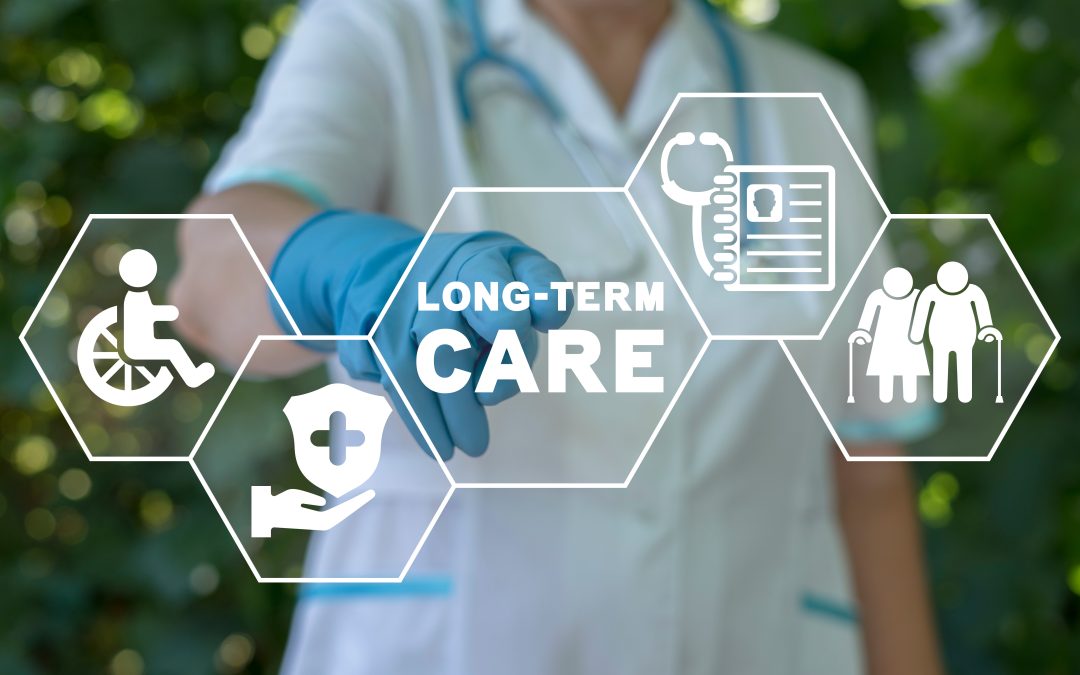
Long term care refers to a wide range of services designed to meet the medical and non-medical needs of individuals over an extended period. These services are typically required by patients who cannot perform daily activities independently.
The demand for long term care is increasing rapidly due to aging populations and rising chronic conditions. As a result, healthcare providers must adapt to new challenges and opportunities within the long term care system.
What Services Are Included in Long Term Care?
Long term care encompasses:
- Skilled nursing care
- Assisted living services
- Rehabilitation therapies
- Home healthcare
- Memory care for cognitive conditions
Each of these services requires proper documentation and billing accuracy, making long term care management highly specialized.
Why Long Term Care Matters More Than Ever
The importance of long term care lies in its ability to:
- Improve patient quality of life
- Provide continuous medical support
- Reduce hospital readmissions
- Support families and caregivers
Healthcare organizations that prioritize efficient long term care systems can significantly enhance both patient outcomes and financial performance.
Key Challenges in Long Term Care Billing
Billing in long term care is one of the most complex aspects of healthcare administration. Errors can lead to claim denials, delayed payments, and compliance risks.
Complex Coding Requirements
Accurate coding is essential in long term care billing. Providers must use correct codes for services, diagnoses, and procedures. Even minor mistakes can disrupt the entire revenue cycle.
Frequent Regulatory Changes
The rules governing long term care billing are constantly evolving. Staying compliant with federal and state regulations requires ongoing education and system updates.
Documentation Issues
Incomplete or inconsistent documentation is a major problem in long term care. Without proper records, claims may be denied or delayed.
High Volume of Claims
Facilities handling long term care often process a large number of claims daily. Managing this volume efficiently requires advanced systems and skilled staff.
Best Practices for Efficient Long Term Care Billing
To succeed in long term care, healthcare providers must implement effective billing strategies that minimize errors and maximize reimbursements.
Invest in Specialized Billing Services
Outsourcing to experts like Icon Billing LLC can streamline long-term care billing processes. Professional services ensure accuracy, compliance, and faster reimbursements.
Use Advanced Billing Software
Modern technology plays a crucial role in optimizing long-term care billing. Automated systems reduce manual errors and improve efficiency.
Train Staff Regularly
Continuous training ensures that your team stays updated on the latest long-term care regulations and coding standards.
Conduct Routine Audits
Regular audits help identify issues in long-term care billing before they become major problems. This proactive approach saves time and money.
How Technology Is Transforming Long-Term Care
Technology is revolutionizing long-term care, making it more efficient and patient-centered.
Electronic Health Records (EHR)
EHR systems improve documentation accuracy in long-term care, ensuring that billing information is complete and up-to-date.
Automation and AI
Automation tools simplify repetitive tasks in long-term care billing, reducing errors and speeding up processes.
Telehealth Integration
Telehealth services are becoming a vital part of long-term care, allowing providers to monitor patients remotely and bill for virtual services.
Data Analytics
Analytics tools provide insights into long-term care performance, helping organizations make informed decisions.
Strategies to Improve Revenue in Long-Term Care
Maximizing revenue is a top priority for providers offering long-term care services. Here are some proven strategies:
Optimize Coding Accuracy
Accurate coding ensures proper reimbursement in long-term care billing. Investing in certified coders can make a significant difference.
Reduce Claim Denials
Analyzing denial patterns helps improve long-term care billing processes and prevents recurring issues.
Improve Patient Eligibility Verification
Verifying insurance details before providing services reduces billing complications in long-term care.
Streamline Workflow Processes
Efficient workflows enhance productivity and profitability in long-term care operations.
Compliance and Legal Considerations in Long-Term Care
Compliance is a critical aspect of long-term care. Failure to meet regulatory standards can result in penalties and legal issues.
Understanding HIPAA Regulations
Protecting patient information is essential in long-term care. Compliance with privacy laws ensures trust and security.
Staying Updated with Policy Changes
Healthcare regulations affecting long-term care change frequently. Staying informed is crucial for compliance.
Avoiding Fraud and Abuse
Accurate billing and ethical practices are key to maintaining integrity in long-term care services.
Future Trends in Long-Term Care
The future of long-term care is shaped by innovation, policy changes, and evolving patient needs.
Aging Population Growth
As the population ages, the demand for long-term care will continue to rise.
Value-Based Care Models
Healthcare is shifting toward value-based care, impacting how long-term care services are delivered and reimbursed.
Increased Use of Technology
Technology will play an even bigger role in improving long-term care efficiency and outcomes.
Workforce Challenges
Addressing staffing shortages is essential for sustaining quality long-term care services.
Frequently Asked Questions
What is long-term care?
Long-term care refers to services that support individuals with ongoing medical or personal needs over an extended period.
Who needs long-term care?
Elderly individuals, patients with chronic illnesses, and those recovering from major health events often require long-term care.
Is long-term care covered by insurance?
Coverage for long-term care varies depending on insurance plans and policies.
Why is long-term care billing complex?
The complexity of long-term care billing comes from detailed coding, regulations, and documentation requirements.
How can providers improve long-term care billing?
Providers can enhance long-term care billing by using technology, training staff, and outsourcing to experts.
What role does technology play in long-term care?
Technology improves efficiency, accuracy, and patient care in long-term care systems.

Conclusion
Long-term care is a vital component of modern healthcare, providing essential support to patients who need ongoing assistance. However, managing long-term care effectively requires a strong understanding of billing, compliance, and operational strategies.
By implementing best practices, leveraging technology, and working with experienced billing professionals like Icon Billing LLC, healthcare providers can overcome challenges and achieve long-term success.