
Introduction
Accurate medical coding is the backbone of effective healthcare billing. Among various coding classifications, HFREF ICD 10 plays a critical role in diagnosing and billing for patients with heart failure with reduced ejection fraction. Missteps in coding HFREF ICD 10 can lead to claim denials, delayed reimbursements, and compliance issues. In this comprehensive guide, we’ll explore essential insights, common mistakes, and expert tips to ensure your billing process remains flawless.
Understanding HFREF ICD 10
What is HFREF ICD 10?
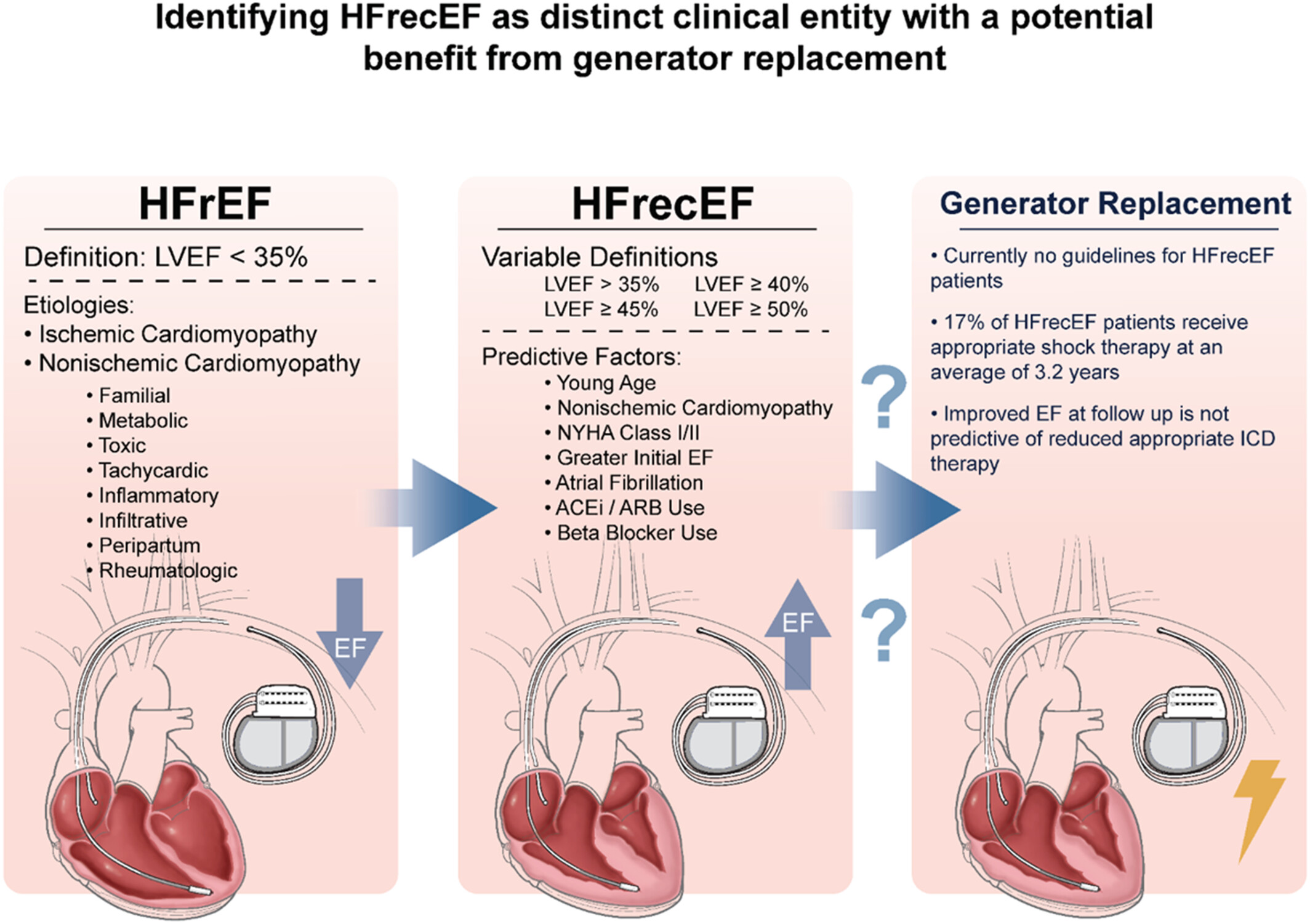
HFREF ICD 10 stands for Heart Failure with Reduced Ejection Fraction coding under the ICD-10 system. This code allows healthcare providers to document and bill accurately for patients with specific heart failure conditions. Using the correct HFREF ICD 10 code ensures proper documentation and streamlines insurance claims processing.
Why Proper Coding Matters
Incorrect coding of HFREF ICD 10 can result in rejected claims, financial losses, and compliance risks. For billing professionals, understanding the nuances of HFREF ICD 10 codes, such as I50.2 (systolic heart failure) and related subcategories, is crucial for accurate reimbursement.
Common Mistakes in HFREF ICD 10 Coding
Misclassification of Heart Failure Type
Many billers accidentally use a general heart failure code instead of the specific HFREF ICD 10 code. This misclassification can lead to underpayment or claim rejection. Accurate documentation of ejection fraction and symptoms is necessary for correct coding.
Ignoring Comorbidities
Patients with HFREF often have other conditions like hypertension or diabetes. Not coding these comorbidities along with HFREF ICD 10 can reduce total reimbursement and affect patient care records.
How to Improve HFREF ICD 10 Coding Accuracy
Review Patient Records Thoroughly
Accurate HFREF ICD 10 coding starts with a thorough review of patient charts. Ensure that ejection fraction results, symptoms, and treatment history are correctly documented before assigning the code.
Use Technology to Your Advantage
Medical billing software can flag potential errors in HFREF ICD 10 coding. Utilizing EHR-integrated coding tools reduces mistakes and improves claims efficiency.
Stay Updated With Coding Guidelines
ICD-10 coding rules evolve frequently. Billing professionals must stay updated on changes related to HFREF ICD 10, including new subcategories and documentation requirements.
Benefits of Correct HFREF ICD 10 Coding
Faster Reimbursements
Correctly coded HFREF ICD 10 claims are processed faster, reducing administrative delays and improving cash flow for healthcare providers.
Compliance and Risk Reduction
Accurate coding minimizes audit risks and ensures compliance with CMS regulations, protecting your practice from fines or penalties associated with misbilling.
Enhanced Patient Care Documentation
Proper use of HFREF ICD-10 ensures that patient records reflect accurate disease progression and treatment, improving clinical outcomes and continuity of care.
Tools and Resources for HFREF ICD-10
-
ICD-10-CM Codebook – The official resource for all ICD-10 codes, including HFREF codes.
-
Medical Billing Software – Many platforms, like AdvancedMD or Kareo, include features to verify HFREF ICD-10 coding accuracy.
-
Professional Training Courses – Continuing education on heart failure coding ensures your team stays compliant and efficient.
FAQs About HFREF ICD-10
What is the difference between HFREF and HFpEF ICD 10 codes?
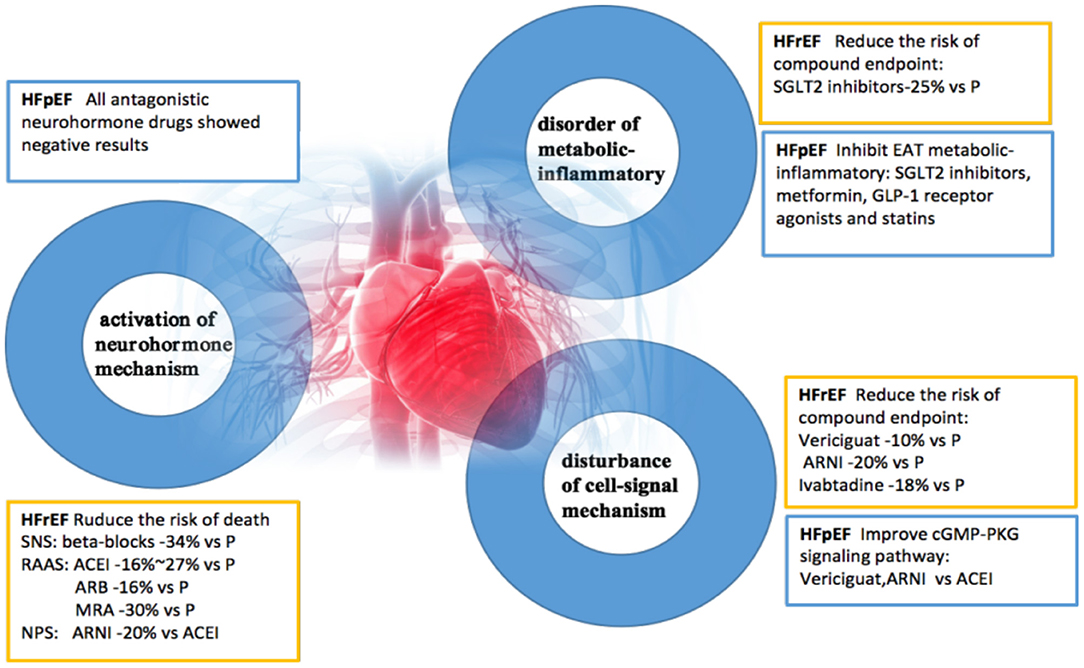
HFREF represents heart failure with reduced ejection fraction, while HFpEF is preserved ejection fraction. Each has specific ICD-10 codes to ensure accurate billing.
Can incorrect HFREF ICD-10 coding lead to claim denial?
Yes, misclassification or missing documentation can result in denied claims and delayed reimbursement.
How often should I update HFREF ICD-10 knowledge?
ICD-10 guidelines are updated annually, but staying informed about quarterly revisions can prevent errors.
Is there software to help with HFREF ICD-10 coding?
Yes, many EHR and billing systems offer built-in code verification tools to reduce mistakes.
Are there common subcodes under HFREF ICD-10?
Yes, codes like I50.20 (unspecified systolic heart failure) and I50.22 (chronic systolic heart failure) are commonly used subcategories.
How does accurate HFREF ICD-10 coding impact patient care?
Correct coding improves documentation accuracy, enabling better treatment planning and continuity of care.
Conclusion
Mastering HFREF ICD-10 coding is essential for any medical billing professional. By avoiding common mistakes, leveraging technology, and staying updated on guidelines, billing teams can ensure accurate claims, faster reimbursement, and compliance with regulations. Accurate HFREF ICD-10 coding ultimately benefits both healthcare providers and patients, creating a seamless, efficient medical billing process.