
Understanding Fatty Liver ICD 10:
Fatty liver disease is a growing health concern worldwide, and its diagnosis, management, and treatment require careful medical attention. For healthcare providers, understanding the ICD 10 codes related to fatty liver is crucial for accurate billing, reimbursement, and patient care. This blog post will dive into what fatty liver is, its ICD 10 codes, and the role of these codes in medical billing.
What Is Fatty Liver?
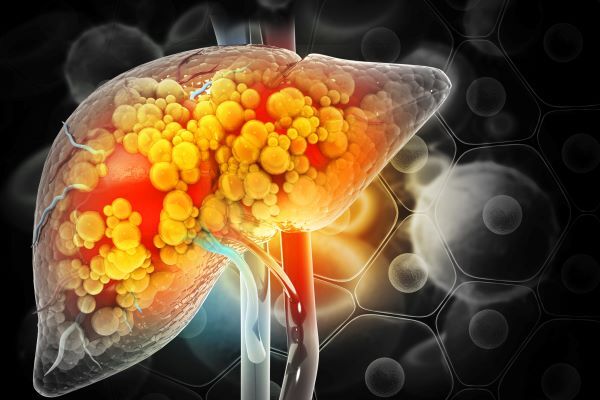
Fatty liver disease, also known as hepatic steatosis, occurs when there is an excessive buildup of fat in the liver cells. In many cases, fatty liver may not cause noticeable symptoms initially. However, over time, it can lead to more serious liver conditions like cirrhosis or liver cancer. Fatty liver can be classified into two main types:
-
Non-Alcoholic Fatty Liver Disease (NAFLD): This is the most common type and occurs in individuals who do not drink alcohol excessively.
-
Alcoholic Fatty Liver Disease (AFLD): This type results from excessive alcohol consumption, which affects the liver’s ability to process fats.
In both cases, fatty liver can progress into more severe liver conditions, which makes early diagnosis and accurate coding essential.
ICD 10 Codes for Fatty Liver ICD 10 Disease
ICD 10 codes are essential for health professionals to correctly identify, classify, and bill for medical conditions. These codes are used in electronic health records (EHR), billing, insurance claims, and other medical documentation. For fatty liver disease, there are several Fatty Liver ICD 10 codes that you need to be aware of. Here are the most common ones:
-
K76.0 – Fatty (degenerative) liver, not elsewhere classified: This code is used for general cases of fatty liver not otherwise specified. It’s often used when the specific cause (alcoholic or non-alcoholic) isn’t clear.
-
K70.0 – Alcoholic fatty liver ICD 10: This ICD 10 code is used when the fatty liver is attributed to excessive alcohol consumption.
-
K75.81 – Non-alcoholic fatty liver disease (NAFLD): This code is used when fatty liver disease is diagnosed without the patient having a history of alcohol abuse.
By using these codes accurately, healthcare providers can ensure proper documentation and billing.
Why Accurate Coding of Fatty Liver ICD 10 Is Critical
Accurate coding plays a critical role in the healthcare system, especially for insurance reimbursements and patient care. Misunderstanding or errors in coding fatty liver ICD 10 can lead to delayed or denied claims. It also affects the ability to track patient outcomes effectively. Here’s why accurate coding matters:
-
Insurance Reimbursement: Insurance companies use Fatty Liver ICD 10 codes to determine whether they will reimburse healthcare providers. An error in the code can lead to denied claims or delays in payment.
-
Data Analytics and Research: Accurate codes allow for more precise data collection, which is essential for public health surveillance and research into fatty liver disease.
-
Patient Care: Proper coding helps ensure that patients receive the right treatment and follow-up care, as healthcare providers can access the most accurate records for diagnosis and treatment planning.
Diagnosing Fatty Liver Disease
Diagnosis of fatty liver involves a combination of physical exams, medical history, lab tests, and imaging studies. However, a liver biopsy may also be required to confirm the diagnosis or determine the severity of the disease. Some of the diagnostic methods include:
-
Physical Exam: The healthcare provider may check for signs of liver enlargement or tenderness.
-
Blood Tests: These tests assess liver function and check for elevated liver enzymes, which can indicate liver damage.
-
Ultrasound or CT Scan: Imaging tests can help identify the accumulation of fat in the liver.
-
Liver Biopsy: In more severe cases, a biopsy may be needed to assess the degree of liver damage.
After diagnosing fatty liver, accurate ICD 10 coding helps document the condition’s nature and severity, ensuring proper treatment and follow-up care.
The Role of Fatty Liver ICD 10 Codes in Billing
Medical billing and coding professionals must use the correct ICD 10 codes when submitting claims to insurance companies. Using the wrong code can lead to claim rejections, delayed payments, and potential issues with audits. Therefore, it’s important to understand how fatty liver ICD 10 codes should be applied in a billing context:
-
Initial Diagnosis: When a patient is first diagnosed with fatty liver disease, the appropriate Fatty Liver ICD 10 code must be assigned based on whether the liver disease is alcohol-related or non-alcohol-related. For example, NAFLD would be coded as K75.81, while alcoholic fatty liver would use K70.0.
-
Chronic Fatty Liver: If the fatty liver disease has progressed over time, the code for chronic liver disease or cirrhosis may be necessary. This can impact billing for treatments and specialist referrals.
-
Co-Morbidities: Often, fatty liver disease is associated with other conditions such as obesity, diabetes, or hypertension. These co-morbidities need to be coded and billed separately to ensure comprehensive treatment and accurate reimbursement.
For practices dealing with fatty liver disease, staying updated on the latest coding guidelines and coding tools can reduce errors in the billing process.
Common Billing Mistakes to Avoid
Healthcare providers and billing professionals should be cautious of some common billing mistakes related to fatty liver ICD 10 codes:
-
Incorrect Code Selection: Make sure the code accurately reflects the patient’s diagnosis. For example, don’t use K76.0 if the condition is alcoholic fatty liver disease.
-
Overlooking Co-Morbidities: Failure to include related conditions such as diabetes or hypertension can lead to incomplete documentation, affecting reimbursement.
-
Unspecified Code Use: Where possible, avoid using unspecified codes (e.g., K76.0) when more specific codes are available. Specific codes are necessary to reflect the patient’s exact condition.
By avoiding these errors, you can ensure that your medical practice remains compliant and receives proper compensation for services rendered.
Future of Fatty Liver Disease and ICD 10 Coding
As medical research progresses and our understanding of fatty liver disease grows, there may be new developments in the classification and coding of these conditions. With advancements in diagnostic techniques, we may see the introduction of more specific codes to better track and manage this condition. Additionally, as the global prevalence of fatty liver disease increases, healthcare systems will continue to refine their approaches to billing and treatment protocols.
To stay ahead in this rapidly evolving field, medical providers and billing specialists must stay informed about updates to Fatty Liver ICD 10 codes and implement best practices for coding and billing to ensure optimal patient care and reimbursement.
Conclusion
Understanding fatty liver ICD 10 codes is a vital component of effective medical billing, diagnosis, and patient care. By using the correct ICD 10 codes, healthcare providers can ensure accurate billing, avoid errors, and ensure proper treatment for patients suffering from fatty liver disease. Medical billing professionals must stay updated with the latest coding guidelines to prevent mistakes and ensure a smooth billing process. As research continues, the knowledge of fatty liver disease and its management will undoubtedly continue to evolve, impacting both diagnosis and medical billing practices.