
Understanding Echo CPT Codes: Everything You Need to Know for Accurate Medical Billing
Medical billing is a complex and essential aspect of the healthcare industry, requiring accurate and precise coding to ensure timely reimbursement and compliance with insurance requirements. Among the various types of codes used in medical billing, Echo CPT codes play a significant role in the diagnosis and treatment of heart-related conditions. This blog post aims to provide a detailed overview of Echo CPT codes, their importance, and how they are used in medical billing to ensure accuracy and avoid costly errors.
What Are Echo CPT Codes?
Echo CPT codes are part of the Current Procedural Terminology (CPT) code system, specifically used to report echocardiography procedures. Echocardiography is a diagnostic test that uses sound waves to produce images of the heart. These codes are used by healthcare providers and medical billers to report services related to heart examinations, including assessments of heart function, valve conditions, and overall cardiac health.
The Echo CPT code system is important for healthcare professionals to accurately describe the services provided and for insurers to understand what has been done. It’s essential that the correct Echo CPT code is used to avoid reimbursement issues or claim denials.
Why Are Echo CPT Codes Important in Medical Billing?
-
Accurate Reimbursement:
Echo CPT codes ensure that healthcare providers receive appropriate compensation for the services rendered. Insurance companies rely on these codes to assess the type of services provided and determine the reimbursement amount. -
Preventing Denials and Delays:
Incorrect or missing Echo CPT codes can lead to claim denials or delayed payments. By using the correct code, healthcare providers can avoid these issues and streamline the billing process. -
Improved Compliance:
Accurate use of Echo CPT codes helps maintain compliance with healthcare regulations and insurance policies. Non-compliance can result in penalties or legal repercussions. -
Ensuring Quality of Care:
By using Echo CPT codes, healthcare providers ensure that their patients receive proper evaluations, which in turn leads to more accurate diagnoses and effective treatment plans.
Common Echo CPT Codes and Their Uses
The Echo CPT code system includes several codes for various echocardiography services. Here are some of the most commonly used Echo CPT codes:
-
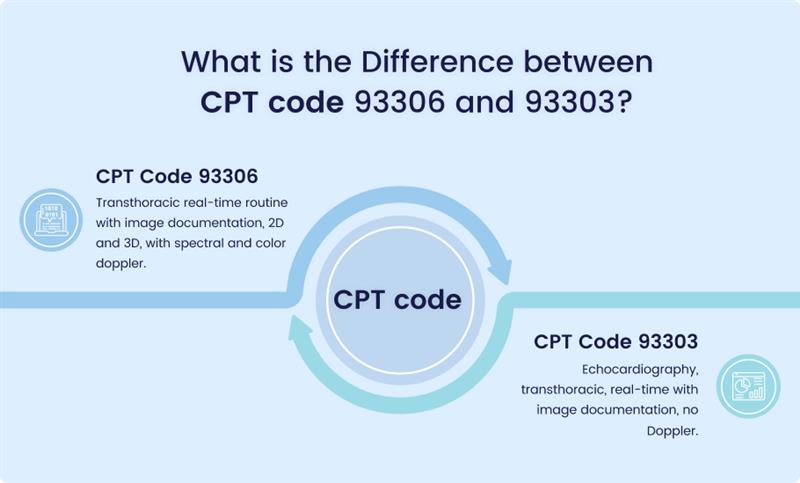
CPT Code 93306 – Echocardiography, Transthoracic, Complete:
This code is used when a complete transthoracic echocardiogram is performed, including a full assessment of the heart’s structure and function. This is one of the most frequently used Echo CPT codes. -
CPT Code 93307 – Echocardiography, Transthoracic, Limited:
This code is used for a limited transthoracic echocardiogram. It is typically employed when only a specific aspect of the heart is being assessed, such as the heart valves or chambers. -
CPT Code 93308 – Echocardiography, Transesophageal:
This code refers to a transesophageal echocardiogram, which involves inserting a probe into the esophagus to get a more detailed view of the heart. It is often used when a transthoracic echocardiogram is inconclusive. -
CPT Code 93320 – Doppler Echocardiography:
This code is used to report Doppler echocardiography, a technique that evaluates the blood flow within the heart’s chambers and blood vessels. It’s often used to diagnose heart valve problems or other cardiovascular conditions. -
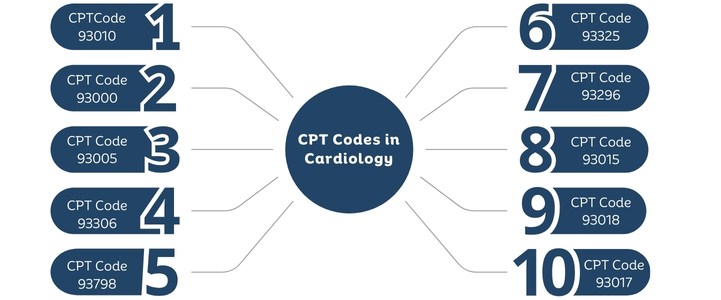
CPT Code 93325 – Contrast Echocardiography:
This code is used when contrast agents are used during an echocardiogram to enhance the images of the heart. This type of test is typically performed to detect issues with the heart’s blood flow. -
CPT Code 93350 – Complete Doppler Echocardiography:
This code is used when a complete Doppler echocardiogram is performed, assessing the heart’s function, blood flow, and structure in detail.
How to Use Echo CPT Codes for Accurate Medical Billing
Accurate use of Echo CPT codes is crucial for proper medical billing. Below are some key steps to ensure that you are using Echo CPT codes correctly:
-
Know the Type of Echo Procedure:
To determine the correct Echo CPT code, it’s important to know the type of procedure that was performed. Different types of echocardiograms require different codes, so understanding the specific test is essential. -
Check the Patient’s Medical History:
Review the patient’s medical history and reason for the echocardiogram. This will help determine the scope of the procedure and ensure the correct Echo CPT code is selected. -
Accurate Documentation:
Proper documentation is key to selecting the correct Echo CPT code. Be sure to document all relevant details, including the type of echocardiogram performed and any additional services (e.g., Doppler or contrast agents) that were used during the procedure. -
Cross-Check with Insurance Providers:
Different insurance providers may have varying guidelines and requirements for the use of Echo CPT codes. It’s essential to check with the insurance company to confirm that the selected Echo CPT code is covered. -
Stay Updated on Code Changes:
The CPT code system is updated regularly, and new codes may be added or existing codes may be modified. It’s essential to stay current on any changes to Echo CPT-codes to avoid errors and ensure accurate billing.
Tips for Medical Billers When Using Echo CPT Codes
-
Double-Check Code Descriptions:
Echo CPT codes can be very specific, and even a small mistake in the code can result in a denied claim. Always double-check the code descriptions to ensure that the correct code is used. -
Utilize Billing Software:
Many medical billing systems have built-in tools that can help you select the correct Echo CPT-code based on the procedure performed. These systems often contain up-to-date coding resources, reducing the risk of errors. -
Work with Experienced Coders:
Collaborate with experienced coders who are familiar with Echo CPT-codes and can assist in identifying the correct code. This can help minimize the chances of errors and ensure compliance with billing standards. -
Review Modifier Usage:
Modifiers are often added to CPT codes to provide additional information about the procedure. Review the use of modifiers when billing for Echo CPT-codes to ensure full transparency and proper reimbursement. -
Audit Your Billing:
Regular audits can help catch errors or inconsistencies in your use of Echo CPT-codes. Conducting these audits will help identify any issues before they result in claim denials or underpayments.
Common Mistakes to Avoid with Echo CPT Codes
-
Using the Wrong CPT Code:
One of the most common mistakes in medical billing is using the wrong CPT code. Make sure to choose the correct Echo CPT-code based on the specific type of procedure that was performed. -
Failing to Document the Procedure Correctly:
Inaccurate or insufficient documentation can lead to incorrect coding and potential billing issues. Always ensure that the procedure is documented fully and accurately. -
Ignoring Insurance Guidelines:
Each insurance provider may have its own set of rules regarding the use of Echo CPT-codes. Failing to adhere to these guidelines can result in claim denials or delayed payments. -
Overlooking Modifier Usage:
Modifiers are essential in medical billing, and their incorrect usage can lead to confusion or rejections. Be sure to use the appropriate modifier when applicable. -
Not Keeping Up with Code Changes:
The CPT code system is frequently updated, and it’s essential to stay current with any changes to Echo CPT-codes to ensure accurate billing.
Conclusion
Echo CPT codes are a vital part of medical billing for echocardiography procedures. Proper use of these codes is crucial for accurate reimbursement and compliance with healthcare regulations. By understanding the different types of Echo CPT-codes, how to use them correctly, and avoiding common billing mistakes, healthcare providers can ensure that their billing practices remain efficient and error-free.
At Icon Billing LLC, we specialize in helping healthcare providers navigate the complexities of medical billing, including the use of Echo CPT-codes. If you have any questions or need assistance with your billing practices, feel free to contact us today for expert guidance and support.