Diagnosis Code: The Complete Guide for Accurate Medical Billing
In the world of healthcare revenue cycle management, the diagnosis code plays a critical role in ensuring accurate billing, proper reimbursement, and compliance with regulations. Whether you run a clinic, hospital, or billing company like Icon Billing LLC, understanding how to use a diagnosis code correctly can make or break your financial performance.
A diagnosis code is more than just a number—it represents a patient’s condition, supports medical necessity, and directly impacts insurance claims. Without proper use of the diagnosis code, claims may be denied, delayed, or audited.
Healthcare providers rely heavily on standardized systems like the Centers for Medicare & Medicaid Services and coding frameworks such as ICD-10 to ensure every diagnosis code is accurate and compliant.
Let’s explore everything you need to know about the diagnosis code, its importance, and how to use it effectively.
What Is a Diagnosis Code and Why It Matters
A diagnosis code is a standardized alphanumeric code used to describe a patient’s medical condition. These codes are essential for communication between healthcare providers, insurers, and regulatory bodies.
Purpose of a Diagnosis Code
The primary purpose of a diagnosis code is to:
- Identify a patient’s illness or condition
- Justify medical services provided
- Support insurance claims
Without a proper diagnosis code, insurance companies cannot determine whether a treatment was necessary.
Role in Medical Billing
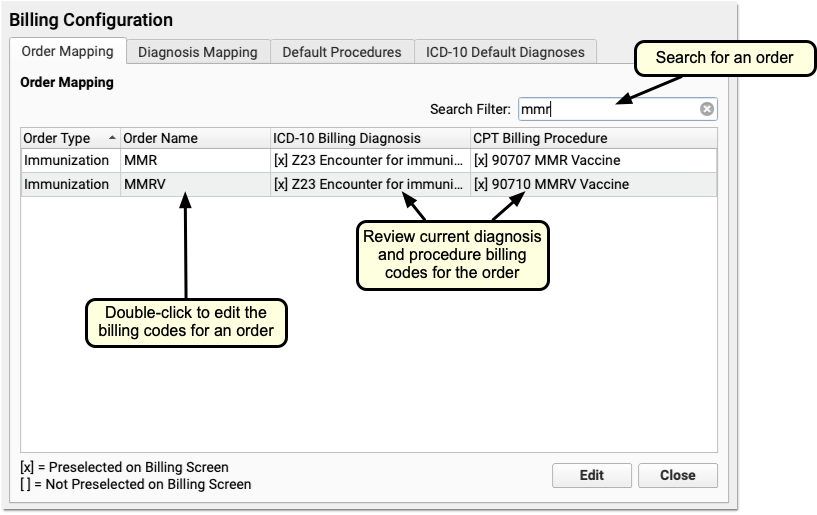
In medical billing, the diagnosis code is linked with procedure codes to form a complete claim. This ensures that services provided align with the patient’s condition.
Importance for Compliance
Using the correct diagnosis code helps healthcare providers comply with federal and state regulations. Errors can lead to audits, penalties, or claim rejections.
Types of Diagnosis Code Systems Used in Healthcare
There are several coding systems, but the most widely used for a diagnosis code is ICD-10.
ICD-10 Diagnosis Code Structure
The ICD-10 diagnosis code consists of:
- A letter indicating the category
- Numbers specifying the condition
- Additional characters for severity or location
This structure allows for highly detailed reporting.
Differences Between ICD-9 and ICD-10
The transition from ICD-9 to ICD-10 improved the specificity of each diagnosis code, allowing better documentation and billing accuracy.
Specialty-Specific Diagnosis Code Usage
Different specialties use unique sets of diagnosis code classifications depending on their field, such as cardiology, orthopedics, or dermatology.
Why Accurate Diagnosis Code Usage Is Critical
Accuracy in assigning a diagnosis code is essential for financial and operational success.
Prevents Claim Denials
Incorrect or mismatched diagnosis-code entries often lead to claim denials. Insurance companies require precise documentation.
Ensures Proper Reimbursement
A correct diagnosis-code ensures that healthcare providers receive the appropriate payment for services rendered.
Reduces Audit Risks
Errors in a diagnosis-code can trigger audits. Maintaining accuracy minimizes compliance risks.
Improves Patient Care Documentation
Accurate use of a diagnosis-code reflects better patient records and continuity of care.
Common Diagnosis-Code Errors and How to Avoid Them
Mistakes in a diagnosis-code can be costly, but they are preventable.
Upcoding and Downcoding
Assigning a higher or lower-level diagnosis-code than appropriate can lead to compliance issues.
Using Outdated Codes
Medical coding systems are updated regularly. Using an outdated diagnosis-code can result in claim rejection.
Lack of Specificity
Generic or incomplete diagnosis-code entries can cause delays or denials.
Mismatch with Procedure Codes
The diagnosis-code must align with CPT or procedure codes to justify treatment.
Best Practices for Accurate Diagnosis-Code Assignment
Improving diagnosis-code accuracy requires a combination of training, tools, and processes.
Regular Staff Training
Ensure your team stays updated on the latest diagnosis-code guidelines.
Use of Coding Software
Modern tools help verify the accuracy of each diagnosis-code before submission.
Detailed Documentation
Clear and thorough documentation supports the correct diagnosis-code selection.
Internal Audits
Conduct regular audits to identify and correct diagnosis-code errors.
How Diagnosis-Code Impacts Revenue Cycle Management
The diagnosis-code is a cornerstone of revenue cycle management.
Faster Claims Processing
Accurate diagnosis-code usage leads to quicker approvals and payments.
Reduced Administrative Costs
Fewer errors in the diagnosis-code mean less time spent on rework.
Improved Cash Flow
Timely reimbursement depends heavily on the correct diagnosis-code.
Diagnosis-Code Challenges in Modern Healthcare
Healthcare providers face several challenges when working with a diagnosis-code.
Frequent Updates
Coding systems evolve, requiring constant updates to diagnosis-code practices.
Complex Regulations
Compliance requirements make assigning a diagnosis-code more challenging.
Human Error
Manual entry increases the risk of mistakes in a diagnosis-code.
How Icon Billing LLC Can Help with Diagnosis-Code Accuracy
At Icon Billing LLC, we specialize in ensuring every diagnosis-code is accurate, compliant, and optimized for reimbursement.
Expert Coding Team
Our professionals are trained in the latest diagnosis-code standards.
Advanced Technology
We use cutting-edge tools to validate each diagnosis-code.
Compliance Assurance
We ensure every diagnosis-code meets regulatory requirements.
Customized Solutions
Our services are tailored to your practice’s unique diagnosis-code needs.
FAQs About Diagnosis-Code
What is a diagnosis-code?
A diagnosis-code is a standardized code used to describe a patient’s medical condition.
Why is a diagnosis-code important?
It ensures accurate billing, proper reimbursement, and compliance.
How often are diagnosis-code systems updated?
They are updated annually or as needed by regulatory authorities.
Can incorrect diagnosis-code cause claim denial?
Yes, errors in a diagnosis-code are a major reason for claim denials.
Who assigns the diagnosis-code?
Healthcare providers or certified medical coders assign the diagnosis-code.
What is the most common diagnosis-code system?
ICD-10 is the most widely used system for a diagnosis-code.
Conclusion: Mastering Diagnosis-Code for Success
The diagnosis-code is a fundamental component of medical billing and healthcare operations. From ensuring accurate reimbursement to maintaining compliance, its importance cannot be overstated.
By mastering the use of a diagnosis-code, healthcare providers can reduce errors, improve efficiency, and enhance overall financial performance. Partnering with experts like Icon Billing LLC ensures that every diagnosis-code is handled with precision and care.
In today’s complex healthcare environment, getting the diagnosis-code right isn’t optional—it’s essential for success.