Introduction:
Dental billing can be a complex process, especially for dental professionals navigating the many codes used for procedures and services. One of the most important components of dental billing is the dental CDT codes, which help standardize the way dental services are documented and billed to insurance companies.
In this guide, we will delve into the world of dental CDT codes, explaining their significance, how they are used in dental practice, and how to ensure accuracy in claims to avoid costly errors. Whether you’re a dentist, dental office manager, or a billing professional, understanding dental CDT codes is crucial for maximizing reimbursement and maintaining efficient, compliant billing practices.
What Are Dental CDT Codes?
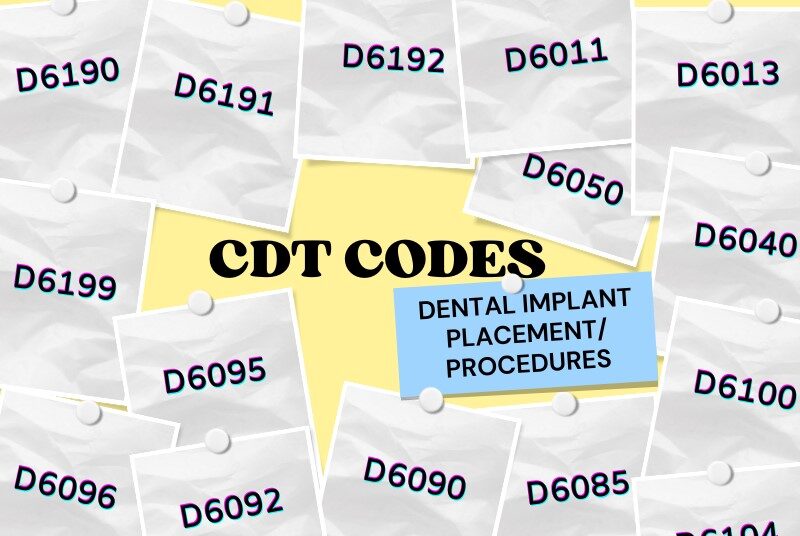
The dental CDT codes (Current Dental Terminology) are a set of alphanumeric codes used by dental professionals to describe dental procedures and services. These codes are maintained and updated by the American Dental Association (ADA) to ensure uniformity and consistency in billing practices across the country. By using dental CDT codes, dental offices can clearly communicate with insurance companies, helping them accurately process claims and reimbursements.
Dental CDT codes include a wide range of dental procedures, from preventive services like cleanings and exams to more complex procedures like crowns and root canals. They are essential for dental billing and are used in electronic health records (EHR) systems and dental claim forms.
The Importance of Dental CDT Codes in Billing
Proper use of dental CDT codes is vital for several reasons:
-
Accurate Billing and Reimbursement:
Insurance companies rely on dental CDT codes to process claims correctly. Accurate coding ensures that procedures are reimbursed appropriately, reducing the risk of denials or delays. -
Standardization:
These codes create a standardized system for all dental professionals to follow, ensuring that everyone in the industry is on the same page when it comes to describing dental procedures. This standardization prevents confusion and miscommunication in the billing process. -
Compliance:
Accurate coding is a requirement for compliance with various regulations and insurance policies. Incorrect coding can lead to audits, fines, and even loss of accreditation. Staying updated on the latest dental CDT codes is essential for staying compliant with the law. -
Efficient Workflow:
With the right dental CDT codes, the billing process becomes much more efficient. It allows dental offices to submit claims quickly and reduces the time spent on clarifying or resubmitting claims due to coding errors.
Types of Dental CDT Codes
The dental CDT codes are divided into several categories, depending on the type of procedure being performed. These categories help dental billing professionals quickly locate the relevant codes for specific services. Some of the key categories include:
-
Diagnostic Codes:
Diagnostic codes are used for procedures such as exams, screenings, and consultations. These codes are typically the starting point for any dental treatment and are necessary for assessing the patient’s oral health.-
Example: D0120 – Periodic oral evaluation.
-
-
Preventive Codes:
Preventive codes are used for services designed to maintain good oral health and prevent future problems. These services may include cleanings, fluoride treatments, and sealants.-
Example: D1110 – Prophylaxis – adult (cleaning).
-
-
Restorative Codes:
Restorative codes are used for procedures aimed at repairing or restoring damaged teeth. This includes fillings, crowns, and inlays.-
Example: D2391 – Resin-based composite – one surface, posterior.
-
-
Surgical Codes:
Surgical codes cover procedures that involve surgery or extractions. These codes are used for more complex treatments that require anesthesia or other specialized care.-
Example: D7140 – Extraction, erupted tooth or exposed root (elevation and/or forceps removal).
-
-
Endodontic Codes:
These codes refer to treatments involving the pulp of the tooth, such as root canals.-
Example: D3310 – Root canal therapy, anterior.
-
-
Orthodontic Codes:
Orthodontic codes are used for services related to braces and other dental appliances.-
Example: D8080 – Comprehensive orthodontic treatment of the adolescent dentition.
-
-
Periodontic Codes:
Periodontic codes are used for procedures related to the gums and supporting structures of the teeth.-
Example: D4341 – Periodontal scaling and root planing – four or more teeth per quadrant.
-
-
Prosthodontic Codes:
These codes cover procedures related to the creation of dental prosthetics such as dentures, bridges, and implants.-
Example: D5110 – Complete denture – maxillary.
-
How to Use Dental CDT Codes in Your Practice
Accurate use of dental CDT codes requires attention to detail and regular updates. Here are some tips for using dental CDT codes effectively in your practice:
-
Stay Updated on New Codes:
The ADA regularly updates the dental CDT codes to reflect new procedures and technological advancements. Staying updated on these changes is critical for maintaining accuracy in your billing and ensuring that all services are appropriately covered by insurance. -
Know the Specifics of Each Code:
Each dental CDT code has a specific definition and description. Make sure you understand the nuances of each code you use. Using the wrong code can result in claim denials, delayed payments, and even audits. -
Educate Your Staff:
It’s essential that everyone involved in the billing process understands how to use dental CDT codes properly. Hold regular training sessions to ensure your billing department is familiar with the codes and can quickly find the right ones when needed. -
Use Technology:
Many dental billing systems and EHR software programs include built-in features that automatically suggest dental CDT codes as you input patient information. Leveraging technology can streamline the billing process and reduce human error. -
Cross-Reference with Insurance Policies:
Before submitting claims, make sure the codes you’ve chosen align with the insurance company’s policies. Some insurers may have specific requirements for certain procedures, and submitting incorrect codes can result in claim rejections.
Challenges with Dental CDT Codes
While dental CDT codes provide a standardized way to document dental procedures, there are challenges that dental professionals may face when using them:
-
Complexity of Codes:
The sheer number of dental CDT codes can be overwhelming, especially for new or smaller practices. Keeping track of so many codes and ensuring they are used correctly can be a daunting task. -
Errors and Omissions:
One of the most common mistakes in dental billing is the incorrect use of dental CDT codes. Whether it’s choosing the wrong code or leaving out necessary information, errors can lead to denials, delays, and rework. -
Code Updates:
The dental CDT codes are updated regularly, and keeping up with these changes can be time-consuming. However, failing to update your knowledge of these codes can result in missed opportunities for reimbursement. -
Insurance Company Variations:
Different insurance companies may have slightly different policies regarding the use of certain dental CDT codes. This variation can make billing more complicated, requiring more time and effort to ensure compliance.
How Icon Billing LLC Can Help
At Icon Billing LLC, we understand the complexities involved in dental billing and the importance of using accurate dental CDT codes. Our expert team stays updated on the latest coding changes, ensuring that your practice is always compliant and maximizing reimbursements. We help streamline the billing process, reduce errors, and enhance the efficiency of your office operations.
Conclusion
Understanding and using dental CDT codes correctly is essential for any dental practice. By using the right codes, you ensure accurate billing, faster reimbursements, and compliance with regulations. Whether you are a dentist or a billing professional, staying informed and up-to-date on the latest dental CDT codes is key to ensuring your practice runs smoothly and profitably.
For help navigating dental CDT codes and ensuring that your dental billing is always accurate, contact Icon Billing LLC today. Our team of experts is here to help you optimize your billing process and avoid costly mistakes.