
Understanding Cough ICD-10: Key Codes and Billing Tips for Accurate Medical Billing
When it comes to medical billing, one of the most important aspects of ensuring accuracy is understanding ICD-10 codes. For billing professionals, “Cough ICD-10” is an essential topic, as it affects a wide range of patients with different types of coughs. Whether you’re dealing with acute, chronic, or unspecified coughs, the right code is critical for proper reimbursement. In this blog post, we’ll dive deep into the world of Cough ICD-10 codes, explain the various types, and offer tips on how to avoid common billing mistakes.
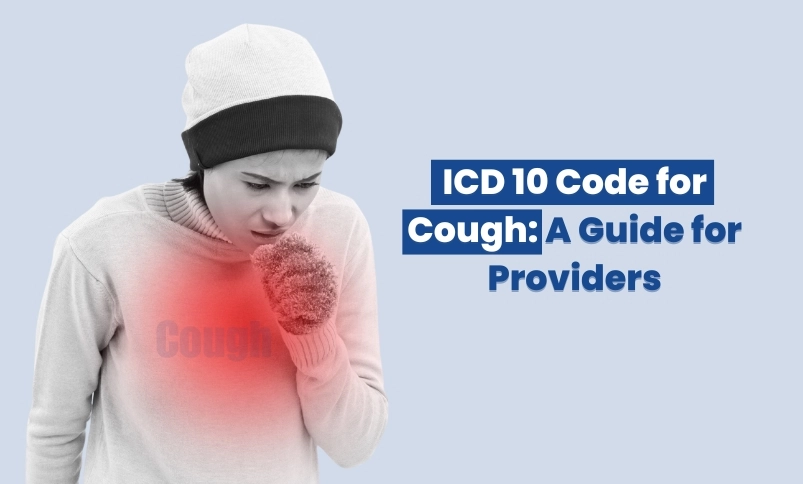
What is Cough ICD-10?
Cough ICD-10 refers to the standardized diagnostic codes used in the medical billing process to classify different types of coughs. These codes fall under the R05 category in the ICD-10-CM (International Classification of Diseases, 10th Edition – Clinical Modification). The ICD-10 system is essential for accurate billing and coding, as it helps healthcare providers and billing professionals categorize symptoms and diagnoses effectively.
There are different codes for various types of coughs, including acute, chronic, and unspecified coughs. The ICD-10 codes related to coughs are crucial for healthcare providers and medical billers to correctly report diagnoses and ensure proper reimbursement from insurance companies.
Common Cough ICD-10 Codes
In the ICD-10 system, several codes cover different types of coughs. Below are some of the most frequently used cough-related codes:
- R05 – Cough
- This is the main ICD-10 code for a cough. It is used for a general diagnosis of a cough that is not specified further.
- R05.1 – Acute Cough
- An acute cough is typically a short-term cough lasting less than three weeks. It is commonly caused by viral infections such as the flu or the common cold.
- R05.2 – Subacute Cough
- A subacute cough lasts between three and eight weeks. It can be a result of post-viral infections or other factors like allergies.
- R05.3 – Chronic Cough
- Chronic cough refers to a persistent cough that lasts for more than eight weeks. It is commonly associated with conditions like chronic bronchitis, asthma, or GERD (Gastroesophageal Reflux Disease).
- R05.9 – Cough, Unspecified
- This is used when the type or cause of the cough is not specified, making it a catch-all diagnosis code.
- R05.4 – Cough Syncope
- This is a more specific code used when a patient experiences fainting or loss of consciousness due to intense coughing.
Understanding Cough Symptoms and Their Impact on Billing
In medical billing, accurately diagnosing and coding symptoms is crucial for ensuring that healthcare providers receive the appropriate reimbursement for their services. When a cough is part of a larger set of symptoms, such as fever, shortness of breath, or fatigue, it’s essential to use the correct code to indicate the full spectrum of the patient’s condition.
For example, when a patient presents with a cough and shortness of breath, the appropriate ICD-10 codes would include R05 for the cough and R06.02 for the shortness of breath. By using these codes together, medical billers can provide a clearer picture of the patient’s condition and increase the likelihood of proper reimbursement.
Challenges in Cough ICD-10 Billing
Medical billers often face challenges when dealing with cough ICD-10 codes. Some common challenges include:
- Unspecified Codes: The use of unspecified codes like R05.9 can sometimes lead to billing errors, as these codes don’t provide much detail about the condition. It’s important to gather as much information as possible to avoid using unspecified codes unless absolutely necessary.
- Co-Existing Conditions: Patients with a cough may also have other conditions, such as asthma, allergies, or a respiratory infection. It’s vital to use the correct combination of codes to reflect the full complexity of the patient’s condition.
- Changes in Code Updates: ICD-10 codes are updated annually, and changes can affect billing practices. Keeping up with these changes is essential to avoid errors and ensure accurate billing.
Best Practices for Accurate Cough ICD-10 Billing
To ensure that you’re billing correctly, follow these best practices:
- Use Specific Codes: Always strive to use the most specific code possible. For example, instead of using R05.9 (Cough, unspecified), opt for a more specific code like R05.1 for acute cough or R05.3 for chronic cough.
- Document All Symptoms: Thorough documentation of all symptoms is essential. For patients with multiple symptoms, including fever, shortness of breath, or fatigue, ensure that all relevant codes are used.
- Stay Updated on Code Changes: Regularly review the ICD-10 updates and stay informed about any changes to cough-related codes. This will help you stay on top of any new requirements and avoid billing issues.
- Use Co-Existing Condition Codes: If a patient’s cough is caused by another condition, such as asthma or a viral infection, make sure to include those diagnoses in your billing. This will help reflect the full picture of the patient’s condition.
ICD-10 and Cough in the Era of COVID-19
The COVID-19 pandemic has affected how coughs are coded. If a patient has a cough and has been in contact with someone diagnosed with COVID-19, a specific code, Z20.822 (Contact with and (suspected) exposure to COVID-19), should be added. Additionally, R05 is still relevant for a general cough, but there may be additional codes for associated symptoms such as fever (R50.9) and shortness of breath (R06.02).
As a medical biller, it’s important to recognize the role COVID-19 has played in the way cough-related diagnoses are coded. Always check for the latest guidelines and updates from health authorities such as the CDC and CMS to ensure accuracy.
Conclusion
Proper billing and coding for cough-related diagnoses are critical to ensuring accurate medical billing and reimbursement. By using the correct Cough ICD-10 codes, healthcare providers can accurately report diagnoses and avoid costly errors. Whether dealing with acute, chronic, or unspecified coughs, understanding the nuances of R05, R05.1, and other related codes will help ensure that both the healthcare provider and the patient receive the proper care and attention.
If you’re a medical billing professional, it’s essential to stay up-to-date on the latest ICD-10 codes and best practices. By doing so, you’ll help reduce the risk of errors and delays in reimbursement. Keep learning, stay informed, and always prioritize accuracy in your billing practices.
Key Points to Remember:
- Cough ICD-10 codes are essential for accurate medical billing.
- Use specific codes to avoid unspecified diagnoses.
- Stay updated on annual changes to ICD-10 codes, especially regarding COVID-19.
- Document all symptoms thoroughly to avoid billing errors.