
Introduction:
Benign Prostatic Hyperplasia (BPH) is a common condition that affects many men as they age, causing an enlarged prostate and urinary symptoms. Accurate coding for BPH is essential for healthcare providers to ensure correct diagnosis and proper reimbursement. The BPH ICD 10 code plays a crucial role in this process, helping clinicians, coders, and billers classify and bill for the condition correctly.
In this comprehensive guide, we will explore what BPH is, how the BPH ICD 10 code is used in diagnosis, and why it is essential for accurate medical billing. Whether you’re a healthcare provider, medical biller, or coder, understanding BPH ICD 10 is crucial for optimizing reimbursement and ensuring correct clinical documentation.
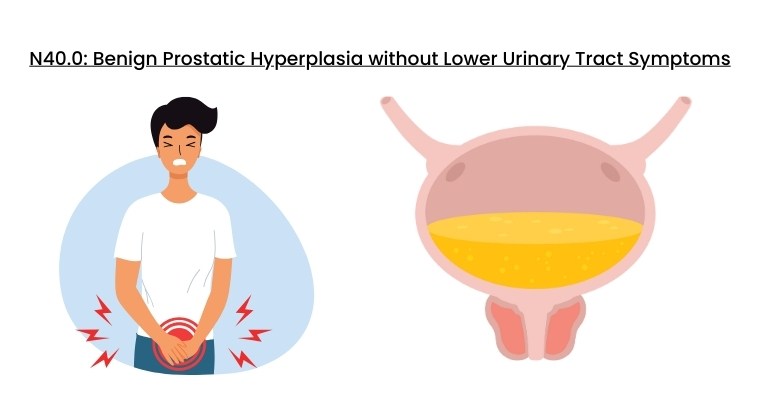
What is BPH (Benign Prostatic Hyperplasia)?
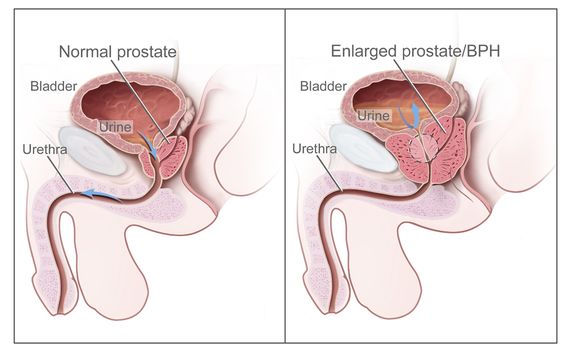
BPH stands for Benign Prostatic Hyperplasia, a condition in which the prostate gland enlarges, commonly found in older men. This enlargement can lead to various urinary symptoms, including frequent urination, a weak stream, and the sensation of incomplete bladder emptying. Though BPH is non-cancerous, it can significantly affect a patient’s quality of life and may require medical treatment or surgery.
The Importance of Accurate ICD 10 Coding for BPH
The ICD 10 code system is used by healthcare providers worldwide to classify and diagnose diseases, conditions, and other health-related issues. When it comes to BPH, the right BPH ICD 10 code is necessary for proper documentation, accurate billing, and reimbursement from insurance companies.
Using the correct BPH ICD 10 code ensures that healthcare providers are reimbursed for their services and helps insurance companies identify the scope of treatment provided. Incorrect or missing codes can lead to denied claims, delayed reimbursements, and compliance issues.
How to Code for BPH with ICD 10:
In the ICD 10 coding system, there are specific codes for diagnosing BPH. The most commonly used code for BPH is:
- N40 – Benign Prostatic Hyperplasia
The N40 code is the umbrella code for BPH and should be used when the condition is diagnosed but no other complications are noted. However, within this category, there are additional specific codes that can be used depending on the presence of other symptoms or complications.
Here are some of the relevant codes for BPH under ICD 10:
- N40.0 – Benign Prostatic Hyperplasia with Lower Urinary Tract Symptoms
- N40.1 – Benign Prostatic Hyperplasia without Lower Urinary Tract Symptoms
- N40.9 – Benign Prostatic Hyperplasia, Unspecified
These codes help ensure that the diagnosis is as specific as possible, which is critical for both medical documentation and billing. The more precise the BPH ICD 10 code, the easier it is for insurance providers to process claims and for healthcare providers to get reimbursed.
Understanding the Role of ICD 10 Codes in Medical Billing for BPH
Medical billing is the process by which healthcare providers submit claims to insurance companies for reimbursement. When dealing with BPH, correct ICD 10 coding ensures that the claims process is efficient and reduces the risk of rejected or denied claims. Medical billers must be diligent in selecting the correct BPH ICD 10 code, as this is directly tied to the amount of reimbursement a healthcare provider will receive.
Incorrect coding can lead to:
- Claim rejections
- Denied reimbursements
- Compliance issues with insurance companies
- Financial losses for healthcare providers
By understanding how to use BPH ICD 10 codes properly, medical billers can reduce the likelihood of these issues.
The Financial Impact of Incorrect BPH ICD 10 Coding
Improper BPH ICD 10 coding can have a significant financial impact on healthcare providers. Denied claims or errors in diagnosis codes can result in delayed payments, and sometimes, patients may even be held accountable for the incorrect coding. Ensuring that the BPH ICD 10 codes are applied correctly prevents these situations.
Billers should also understand that insurers often require the use of ICD 10 codes to review medical necessity. If the diagnosis code is vague or incorrect, it could trigger an audit or an unnecessary request for additional information.
How to Improve BPH ICD 10 Billing Accuracy
To improve accuracy in BPH ICD 10 coding, follow these tips:
- Stay Updated on ICD 10 Codes: ICD 10 codes are updated regularly, and it’s important to stay informed about any changes. The BPH ICD 10 code may be modified or updated periodically to reflect new research, treatments, or understanding of the condition.
- Understand the Full Scope of the Diagnosis: Some patients with BPH may have additional complications, such as lower urinary tract symptoms (LUTS). Knowing the full scope of the patient’s condition will help in selecting the correct BPH ICD 10 code. For example, a patient with BPH and LUTS should be coded with N40.0 rather than the general N40.
- Collaborate with Healthcare Providers: Communication between medical billers and healthcare providers is essential for accurate coding. If a diagnosis is unclear or ambiguous, it’s best to confirm with the provider to ensure the correct BPH ICD 10 code is applied.
- Use Software Tools: Many medical billing software systems offer tools that automatically suggest the most accurate ICD 10 codes based on entered information. Utilizing these tools can help ensure accuracy and save time.
BPH Treatment and ICD 10 Coding for Related Procedures
Treatment for BPH may vary depending on the severity of symptoms and may include medication, minimally invasive procedures, or even surgery. Each of these treatments will have its own set of corresponding procedure codes, which should also be carefully selected to match the BPH ICD 10 diagnosis.
Some common procedures for BPH treatment include:
- Medications: Alpha-blockers or 5-alpha-reductase inhibitors.
- Transurethral Resection of the Prostate (TURP): A common surgical procedure for severe cases of BPH.
- Laser Therapy: Another option for treating BPH-related symptoms.
Each of these procedures will have its own CPT code, which should be matched to the correct BPH ICD 10 diagnosis code for proper billing.

Conclusion
Correct BPH ICD 10 coding is essential for both accurate diagnosis and reimbursement in the healthcare industry. Whether you’re a healthcare provider, a medical coder, or a biller, understanding the nuances of BPH ICD 10 codes will ensure efficient and accurate billing. By following the guidelines outlined in this article, you can help optimize the billing process, avoid errors, and ensure that healthcare providers are compensated for their services.
Remember to stay updated on the latest ICD 10 changes, work closely with your team, and use reliable tools to simplify the process. Accurate coding and billing for BPH ICD 10 will not only streamline your practice’s financial health but also enhance the quality of care you provide to patients.