
Introduction to Pelvic Pain ICD 10
Pelvic pain is a common and often debilitating condition that affects many individuals. It can be caused by a variety of factors, including reproductive issues, gastrointestinal disorders, and musculoskeletal problems. For medical professionals and billing specialists, the correct identification and coding of pelvic pain are crucial for accurate billing and insurance reimbursement. In this post, we will dive deep into pelvic pain ICD 10, explaining its significance, the causes behind it, and how it is diagnosed and treated.
By understanding pelvic pain and the associated ICD-10 code, healthcare providers can ensure that their patients receive the proper care, and billing experts can efficiently process claims. Let’s take a detailed look at the complexities of pelvic pain ICD 10.
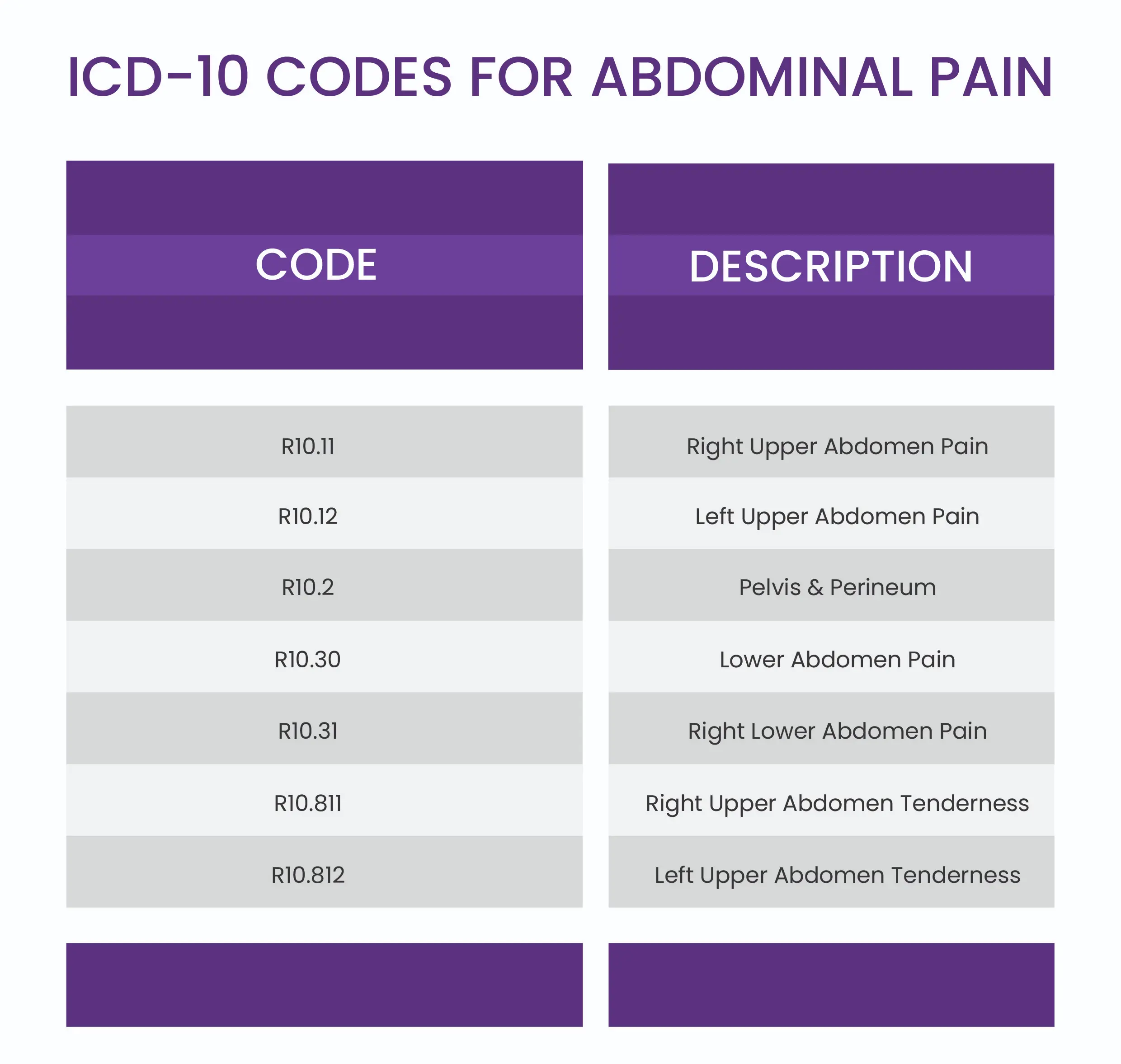
What is Pelvic Pain ICD 10?
ICD-10, or the International Classification of Diseases, 10th Edition, is a system used by healthcare providers to classify and code diseases, symptoms, and other health-related issues. Pelvic pain ICD 10 is the code used to identify and categorize pain occurring in the lower abdomen or pelvis area.
Pelvic pain ICD 10 can vary in intensity, duration, and frequency. It may be acute (short-term) or chronic (long-term), and it can be linked to various underlying medical conditions. Properly coding pelvic pain using the appropriate ICD-10 code ensures that insurance providers process claims accurately and that healthcare providers can track and treat the condition effectively.
The Importance of Correctly Coding Pelvic Pain
Correctly identifying pelvic pain ICD 10 is essential for several reasons:
- Accurate Diagnosis: Using the right code helps ensure that the condition is correctly diagnosed and treated.
- Insurance Reimbursement: Insurance companies rely on ICD-10 codes to process claims. Accurate coding ensures timely and appropriate reimbursement.
- Medical Records: Accurate coding provides clear and detailed medical records for future reference and treatment planning.
- Billing and Coding Compliance: Medical billing specialists need to be familiar with pelvic pain ICD 10 to comply with healthcare regulations.
Types of Pelvic Pain ICD 10 Codes
There are several specific ICD-10 codes related to pelvic pain. Some of the most commonly used codes include:
- R10.0 – Acute abdomen pain
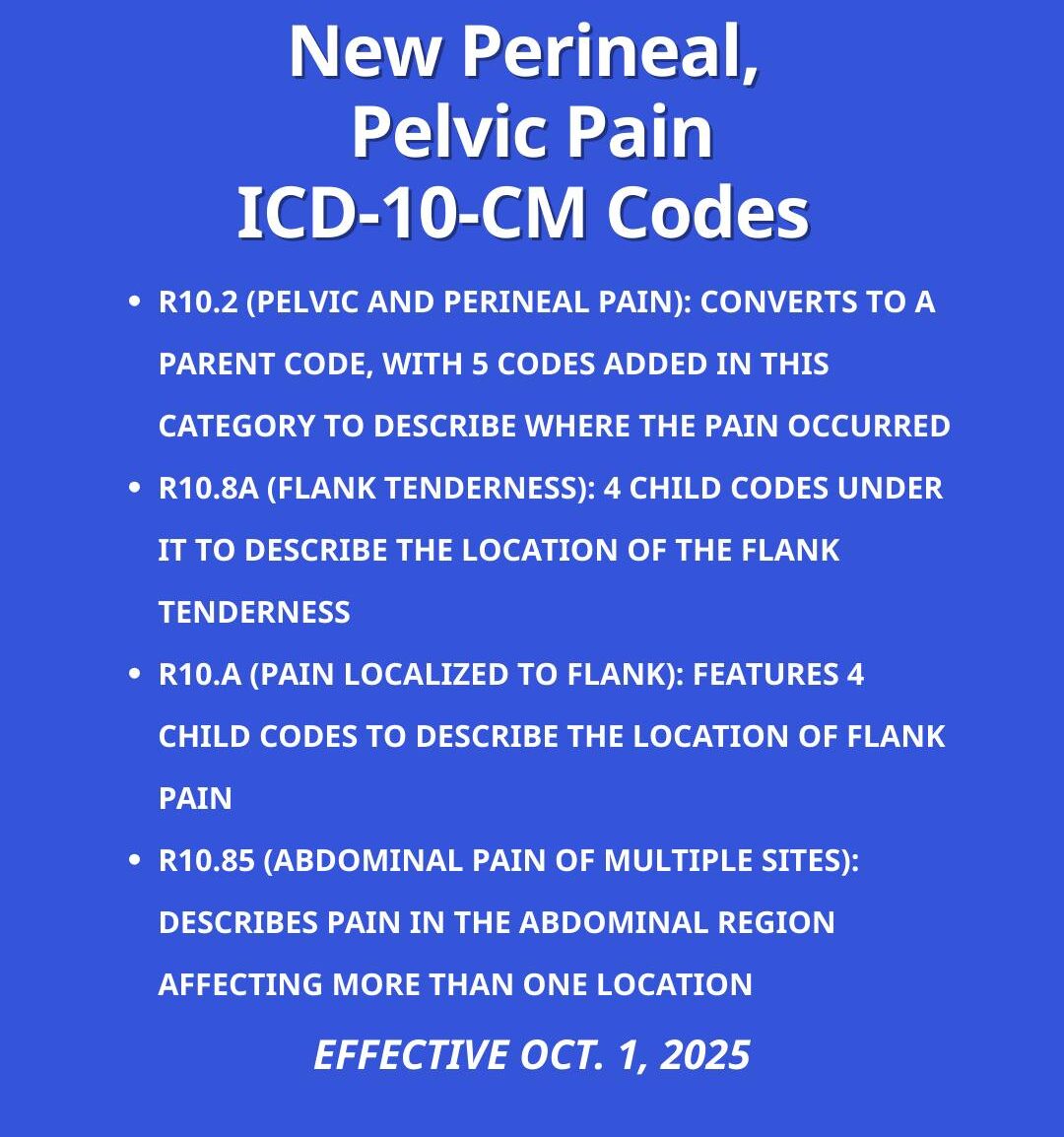
- R10.2 – Pelvic and perineal pain
- R10.9 – Unspecified abdominal pain
Each of these codes corresponds to a specific type of pelvic pain, and the appropriate code should be used based on the patient’s symptoms and diagnosis.
Causes of Pelvic Pain
Understanding the causes behind pelvic pain is crucial for correct diagnosis and treatment. Some common causes of pelvic pain include:
- Reproductive System Disorders: Conditions such as endometriosis, ovarian cysts, and uterine fibroids are often linked to pelvic pain.
- Gastrointestinal Disorders: Issues like irritable bowel syndrome (IBS) or inflammatory bowel disease (IBD) can cause pelvic pain as well.
- Musculoskeletal Issues: Pelvic pain can also result from musculoskeletal conditions, such as pelvic floor dysfunction or hernias.
- Urinary Tract Infections (UTIs): A UTI can lead to pelvic pain, often accompanied by frequent urination and discomfort.
- Infections: Pelvic inflammatory disease (PID) or other infections can lead to significant pelvic pain.
How is Pelvic Pain Diagnosed?
Diagnosing the cause of pelvic pain involves a combination of physical examinations, medical history assessments, and diagnostic tests. The following steps are typically taken to diagnose pelvic pain:
- Medical History: Your healthcare provider will ask questions about the duration, intensity, and nature of the pain.
- Physical Exam: The doctor may perform a pelvic exam to check for signs of infection, growths, or other abnormalities.
- Imaging Tests: Ultrasounds, CT scans, or MRI scans can help identify underlying conditions such as ovarian cysts or tumors.
- Laboratory Tests: Blood tests, urine tests, or cultures may be performed to rule out infections or other conditions.
- Laparoscopy: In some cases, a minimally invasive procedure called laparoscopy may be needed to diagnose conditions like endometriosis.
Accurate diagnosis is essential for selecting the appropriate pelvic pain ICD 10 code and ensuring that treatment is tailored to the patient’s specific needs.
Treatment Options for Pelvic Pain
Treatment for pelvic pain depends on the underlying cause. Some common treatment approaches include:
- Medications: Pain relief medications, such as nonsteroidal anti-inflammatory drugs (NSAIDs) or stronger prescription pain relievers, may be prescribed to manage pain.
- Hormonal Therapy: For pain related to menstrual cycles or conditions like endometriosis, hormonal therapy may be recommended to regulate hormone levels.
- Surgical Options: In cases where pelvic pain is caused by conditions such as fibroids, cysts, or endometriosis, surgery may be necessary.
- Physical Therapy: Pelvic floor therapy can help patients with musculoskeletal-related pelvic pain by strengthening and relaxing the pelvic muscles.
- Lifestyle Changes: Stress reduction, dietary changes, and regular physical activity can also help alleviate chronic pelvic pain.
Each patient’s treatment plan will be customized based on their diagnosis and response to initial treatments. Accurate coding of pelvic pain ICD 10 ensures that insurance companies understand the patient’s condition and reimburse medical providers accordingly.
The Role of Medical Billing in Pelvic Pain
Medical billing specialists play a critical role in ensuring that pelvic pain ICD 10 is correctly coded for insurance claims. Proper coding helps avoid billing errors, reduces the chances of claim rejections, and ensures healthcare providers are reimbursed for their services. For example, incorrect coding of pelvic pain ICD 10 can result in claims being denied or delayed, causing significant financial strain on healthcare practices.
Billing specialists must have an in-depth understanding of the different codes associated with pelvic pain. Familiarity with pelvic pain ICD 10 ensures that claims are processed smoothly, avoiding unnecessary delays or disputes with insurance companies.
Challenges in Billing for Pelvic Pain
Billing for pelvic pain can be complex due to the various causes of the condition. Some of the challenges healthcare providers and billing specialists may encounter include:
- Differentiating Between Different Types of Pelvic Pain: Pelvic pain can stem from many different causes, each requiring a unique code. Accurate diagnosis is essential for selecting the correct ICD-10 code.
- Chronic vs. Acute Pain: Chronic pelvic pain often requires long-term management, while acute pelvic pain may require immediate intervention. The distinction between these two can impact the billing code used.
- Reimbursement Issues: Some insurance companies may question or deny reimbursement for pelvic pain diagnoses if they are not adequately documented or if the coding is incorrect.
To avoid these challenges, it is important for billing specialists to work closely with healthcare providers to ensure that all medical records are accurate and that pelvic pain ICD 10 codes are applied correctly.
Final Thoughts
Understanding pelvic pain ICD 10 is essential for both healthcare providers and medical billing specialists. Proper coding ensures that patients receive the appropriate care and that healthcare providers are reimbursed fairly for their services. By identifying the underlying causes of pelvic pain, accurately diagnosing it, and applying the correct ICD-10 code, healthcare providers can ensure the best possible outcomes for their patients.
As a medical billing website, Icon Billing LLC is dedicated to helping professionals navigate the complexities of medical coding and billing, including the proper use of pelvic pain ICD 10. For more information or assistance with billing inquiries, don’t hesitate to contact us.
Call to Action
If you are a healthcare provider or a billing specialist seeking assistance with medical coding, especially regarding pelvic pain ICD 10, feel free to reach out to Icon Billing LLC. Our team of experts is ready to help you streamline your billing processes and ensure accurate reimbursements.