
Introduction
Sinusitis, an inflammation or swelling of the tissue lining the sinuses, affects millions of people worldwide. For medical professionals, it’s essential to use the correct diagnostic codes to ensure proper billing and reimbursement. One of the most important codes in diagnosing sinusitis is the Sinusitis ICD 10 code. This blog post will explore everything you need to know about the Sinusitis ICD 10 code, from its definition and classification to how it impacts medical billing.
What Is Sinusitis?
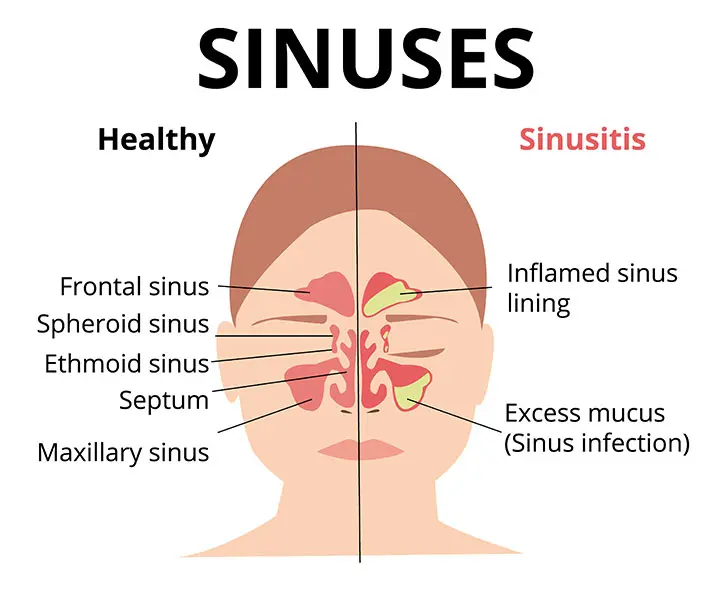
Sinusitis refers to the inflammation of the sinuses, typically caused by an infection, allergy, or other underlying conditions. The sinuses are air-filled cavities located around the nose, eyes, and forehead. When these cavities become inflamed, it can result in symptoms like nasal congestion, facial pain, headache, and fever.
The two most common types of sinusitis are:
- Acute Sinusitis: This occurs suddenly and lasts for a short period (less than 4 weeks).
- Chronic Sinusitis: This lasts for more than 12 weeks and may require long-term management.
The Importance of Sinusitis ICD 10 in Medical Billing
In the world of medical billing, accuracy is crucial. The Sinusitis ICD 10 code is part of the International Classification of Diseases, 10th Edition (ICD-10), and is used to categorize and document sinusitis cases. This code allows healthcare providers to effectively communicate the diagnosis to insurance companies for reimbursement purposes.
Incorrect coding can lead to claim denials, delayed reimbursements, or overpayments, which can disrupt the financial operations of a medical practice. For billing professionals, understanding the nuances of the Sinusitis ICD 10 code is vital to ensure that they are using the most accurate and specific code for the patient’s condition.
Sinusitis ICD 10 Codes: Key Details
The Sinusitis ICD 10 codes are divided into various categories based on the type, severity, and cause of the sinusitis. Below are the most commonly used codes:
- J01.00 – Acute Sinusitis, Maxillary
This code is used to indicate acute maxillary sinusitis, which affects the sinus cavity located behind the cheekbones. - J01.10 – Acute Sinusitis, Ethmoidal
This code applies to acute sinusitis affecting the ethmoid sinuses, located between the eyes. - J01.20 – Acute Sinusitis, Frontal
This code is used for acute sinusitis affecting the frontal sinuses, located in the forehead area. - J01.30 – Acute Sinusitis, Sphenoidal
This code applies to acute sinusitis affecting the sphenoid sinuses, located near the back of the head. - J32.0 – Chronic Maxillary Sinusitis
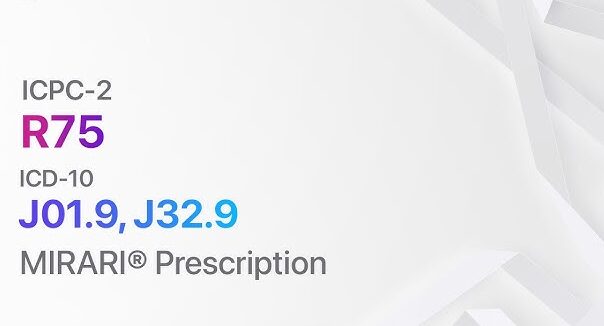
This code is used for chronic maxillary sinusitis that has persisted for a long period. - J32.9 – Chronic Sinusitis, Unspecified
This code is used when a chronic sinusitis diagnosis cannot be specifically attributed to a particular sinus cavity.
Using the Correct Sinusitis ICD 10 Code
Accurate coding is a key factor in the billing process. To ensure correct reimbursement, it’s essential to use the appropriate Sinusitis ICD 10 code for the specific diagnosis. For example, if the patient is diagnosed with acute sinusitis, it’s essential to choose the appropriate code for the affected sinus, whether it’s the maxillary, ethmoidal, or frontal sinus.
It’s important for medical billers to know that the Sinusitis ICD 10 code should be specific. The more specific the code, the higher the chances of claim approval and timely reimbursement. Always review the patient’s medical records thoroughly before assigning a diagnosis code.
Common Billing Errors with Sinusitis ICD 10
One of the common errors in sinusitis billing is the incorrect use of codes. Here are a few examples of errors to avoid when dealing with Sinusitis ICD 10 codes:
- Using an Unspecified Code: While codes like J32.9 (Chronic Sinusitis, Unspecified) are available, they should be used sparingly. Whenever possible, opt for a more specific code to avoid delays in claim processing.
- Misdiagnosing the Sinusitis Type: Confusing acute with chronic sinusitis can lead to incorrect billing. Ensure the patient’s condition is properly assessed and documented to select the right Sinusitis ICD 10 code.
- Failing to Include Severity or Complications: Sinusitis may sometimes have complications, such as a bacterial infection. In these cases, additional codes may need to be used alongside the Sinusitis ICD 10 code to fully capture the complexity of the diagnosis.
The Role of Documentation in Accurate Sinusitis ICD 10 Coding
Proper documentation is essential for accurate coding. Healthcare providers must include detailed information about the patient’s symptoms, duration of the illness, and the specific sinus cavity affected. In cases of chronic sinusitis, documentation should note any complications or underlying causes.
For medical billers, reviewing the medical records is crucial to ensure all necessary information is included. This helps prevent issues such as claim denials or incorrect reimbursements. By relying on thorough documentation, medical professionals can assign the most accurate Sinusitis ICD 10 codes.
Sinusitis ICD 10 in the Context of Other Conditions
Sometimes, sinusitis occurs in conjunction with other conditions, which may require additional codes. For example, a patient may have both sinusitis and a respiratory infection. In such cases, the Sinusitis ICD 10 code should be used in combination with the appropriate codes for the coexisting conditions.
Proper coding of these comorbidities ensures that the full scope of the patient’s condition is represented in the billing. This can lead to better reimbursement and ensure that all services provided are covered by insurance.
Why Accurate Sinusitis ICD 10 Coding Matters
Accurate sinusitis coding is vital for several reasons:
- Reimbursement: The correct Sinusitis ICD 10 code ensures that the healthcare provider is reimbursed correctly for their services.
- Patient Care: By using the proper code, healthcare professionals ensure that they are capturing the full extent of a patient’s condition, which can influence the treatment plan.
- Legal and Compliance Issues: Incorrect coding can lead to compliance issues, audits, and even legal ramifications for healthcare providers.
Tips for Medical Billers on Using the Sinusitis ICD 10 Code
- Stay Updated: The ICD-10 codes can be updated regularly. It’s important for medical billers to stay informed about any changes in the coding system.
- Double-Check Codes: Always verify the accuracy of codes before submitting claims. If in doubt, consult with healthcare providers or refer to official ICD-10 coding resources.
- Use Specific Codes: As mentioned, always opt for the most specific code available. This ensures proper billing and can improve the chances of claim approval.
Conclusion
Accurate and specific use of the Sinusitis ICD 10 code is critical for medical billing professionals. By ensuring the right codes are applied, healthcare providers can improve their reimbursement processes, reduce billing errors, and contribute to better patient care. Stay informed, stay precise, and always double-check your codes to ensure the most accurate representation of the patient’s condition.
For any medical billing questions or concerns, feel free to reach out to the experts at Icon Billing LLC. We are here to help you navigate the complexities of coding and billing for sinusitis and other conditions.