
Introduction
Bilateral knee pain is a common condition that affects millions of individuals worldwide. From arthritis to injuries, the reasons behind discomfort in both knees are numerous. For healthcare providers and medical billers, accurately coding bilateral knee pain icd 10 is critical to ensure proper reimbursement, avoid claim denials, and maintain compliance with insurance regulations.
Understanding the nuances of bilateral knee pain icd 10 can save practices time, reduce errors, and improve patient satisfaction. In this article, we’ll explore the causes, coding strategies, and best practices for handling bilateral knee pain claims effectively.
Understanding Bilateral Knee Pain ICD 10
What Bilateral Knee Pain Means
Bilateral knee pain refers to discomfort or pain in both the left and right knees simultaneously. Patients may experience swelling, stiffness, or difficulty walking, which can significantly impact daily activities. This condition is often linked to chronic diseases like osteoarthritis, rheumatoid arthritis, or acute injuries such as ligament tears.
How ICD 10 Codes Apply to Knee Pain
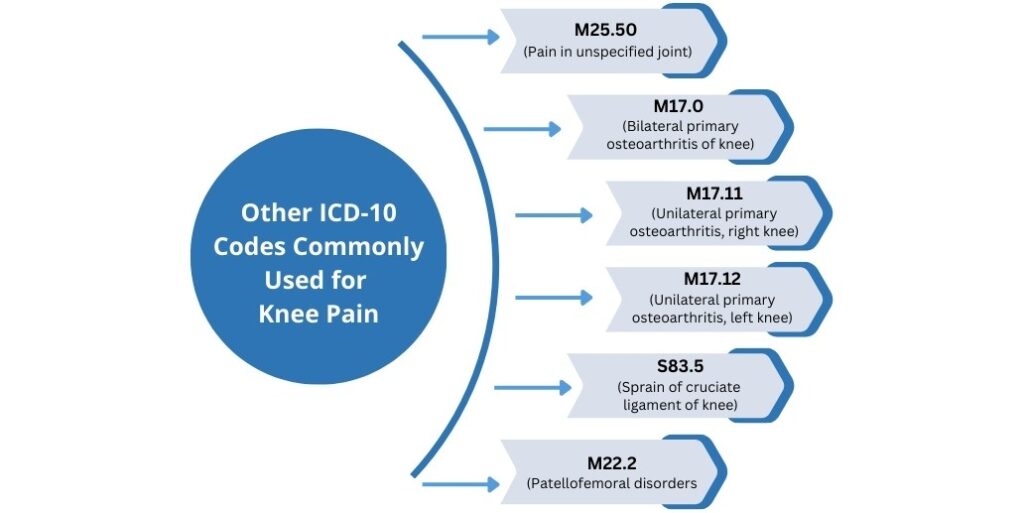
The ICD 10 coding system is used globally for diagnosing and documenting patient conditions. For bilateral knee pain, accurate ICD 10 coding ensures that healthcare providers receive proper reimbursement and insurers understand the severity and specifics of the condition. Commonly used codes for bilateral knee pain include M17.0 for bilateral primary osteoarthritis of the knee, but precise coding depends on the patient’s medical documentation.
Proper use of bilateral knee pain icd 10 prevents claim rejections and helps maintain compliance with medical billing regulations.
Common Causes of Bilateral Knee Pain
Arthritis and Osteoarthritis
Osteoarthritis is one of the leading causes of bilateral knee pain. This degenerative joint disease leads to cartilage breakdown in both knees, causing swelling, stiffness, and chronic pain. ICD 10 codes such as M17.0 or M17.9 are frequently used for documentation, depending on the severity. Rheumatoid arthritis, an autoimmune disorder, can also result in bilateral knee discomfort and requires accurate documentation for proper ICD 10 coding.
Injuries and Strains
Acute injuries, such as ligament sprains, meniscus tears, or repetitive strain injuries, can cause bilateral knee pain. Athletes, manual laborers, or individuals with active lifestyles may encounter this condition. Accurate coding of bilateral knee pain icd 10 for injuries helps in differentiating between chronic and acute conditions, which impacts insurance reimbursements.
Accurate ICD 10 Coding for Bilateral Knee Pain
Selecting the Correct ICD 10 Code
Choosing the correct bilateral knee pain icd 10 code is essential. For example:
- M17.0 – Bilateral primary osteoarthritis of the knee
- M17.5 – Unspecified bilateral osteoarthritis
- M25.569 – Pain in bilateral knees
The selection depends on clinical documentation, physician notes, and diagnostic tests. Accurate coding minimizes claim denials and ensures proper reimbursement for services provided.
Common Coding Mistakes to Avoid
Medical billers frequently encounter mistakes when coding bilateral knee pain icd 10. These include:
- Using unilateral codes instead of bilateral codes
- Coding without proper documentation
- Selecting non-specific codes like M25.5 without clarifying laterality
Avoiding these errors saves time, reduces claim rejections, and ensures that providers get compensated accurately for patient care.
Billing Challenges and Solutions
Insurance Denials for Knee Pain Claims
Claims for bilateral knee pain icd 10 are sometimes denied due to incorrect documentation, missing laterality, or use of outdated codes. Insurers require precise coding that reflects both knees’ condition and correlates with medical records.
Tips for Faster Claim Approvals
- Document laterality clearly in the patient chart.
- Use the most specific ICD 10 code available.
- Cross-check physician notes for accuracy.
- Submit claims with all supporting diagnostic evidence.
By implementing these practices, medical billers can significantly reduce delays and denials for bilateral knee pain icd 10 claims.
Best Practices for Medical Coders
Documentation Guidelines
Accurate documentation is the cornerstone of successful ICD 10 coding. For bilateral knee pain icd 10, coders should:
- Confirm whether the pain is acute, chronic, or due to injury
- Record both knees’ involvement clearly
- Reference imaging, lab tests, and physician notes
Clear documentation ensures that the correct ICD 10 code is applied and supports the claim during audits or insurance reviews.
Optimizing Reimbursement and Reducing Errors
Medical coders can optimize reimbursement by:
- Using laterality-specific codes
- Keeping up with annual ICD 10 updates
- Double-checking claims for accuracy before submission
Following these best practices ensures compliance, reduces errors, and maximizes revenue for healthcare providers handling bilateral knee pain icd 10 cases.
FAQs About Bilateral Knee Pain ICD 10
How is bilateral knee pain coded in ICD 10?
Bilateral knee pain is coded using codes that specify both knees, such as M17.0 for bilateral primary osteoarthritis or M25.569 for unspecified pain in both knees.
Can bilateral knee pain be chronic?
Yes, many patients experience chronic bilateral knee pain due to conditions like osteoarthritis or rheumatoid arthritis..0** for bilateral primary osteoarthritis of the knee, but precise coding depends on the patient’s medical documentation.
Proper use of bilateral knee pain icd 10 prevents claim rejections and helps maintain compliance with medical billing regulations.
Common Causes of Bilateral Knee Pain
Arthritis and Osteoarthritis
Osteoarthritis is one of the leading causes of bilateral knee pain. This degenerative joint disease leads to cartilage breakdown in both knees, causing swelling, stiffness, and chronic pain. ICD 10 codes such as M17.0 or M17.9 are frequently used for documentation, depending on the severity. Rheumatoid arthritis, an autoimmune disorder, can also result in bilateral knee discomfort and requires accurate documentation for proper ICD 10 coding.
Injuries and Strains
Acute injuries, such as ligament sprains, meniscus tears, or repetitive strain injuries, can cause bilateral knee pain. Athletes, manual laborers, or individuals with active lifestyles may encounter this condition. Accurate coding of bilateral knee pain icd 10 for injuries helps in differentiating between chronic and acute conditions, which impacts insurance reimbursements.
Accurate ICD 10 Coding for Bilateral Knee Pain
Selecting the Correct ICD 10 Code
Choosing the correct bilateral knee pain icd 10 code is essential. For example:
- M17.0 – Bilateral primary osteoarthritis of the knee
- M17.5 – Unspecified bilateral osteoarthritis
- M25.569 – Pain in bilateral knees
The selection depends on clinical documentation, physician notes, and diagnostic tests. Accurate coding minimizes claim denials and ensures proper reimbursement for services provided.
Common Coding Mistakes to Avoid
Medical billers frequently encounter mistakes when coding bilateral knee pain icd 10. These include:
- Using unilateral codes instead of bilateral codes
- Coding without proper documentation
- Selecting non-specific codes like M25.5 without clarifying laterality
Avoiding these errors saves time, reduces claim rejections, and ensures that providers get compensated accurately for patient care.
Billing Challenges and Solutions
Insurance Denials for Knee Pain Claims
Claims for bilateral knee pain icd 10 are sometimes denied due to incorrect documentation, missing laterality, or use of outdated codes. Insurers require precise coding that reflects both knees’ condition and correlates with medical records.
Tips for Faster Claim Approvals
- Document laterality clearly in the patient chart.
- Use the most specific ICD 10 code available.
- Cross-check physician notes for accuracy.
- Submit claims with all supporting diagnostic evidence.
By implementing these practices, medical billers can significantly reduce delays and denials for bilateral knee pain icd 10 claims.
Best Practices for Medical Coders
Documentation Guidelines
Accurate documentation is the cornerstone of successful ICD 10 coding. For bilateral knee pain icd 10, coders should:
- Confirm whether the pain is acute, chronic, or due to injury
- Record both knees’ involvement clearly
- Reference imaging, lab tests, and physician notes
Clear documentation ensures that the correct ICD 10 code is applied and supports the claim during audits or insurance reviews.
Optimizing Reimbursement and Reducing Errors
Medical coders can optimize reimbursement by:
- Using laterality-specific codes
- Keeping up with annual ICD 10 updates
- Double-checking claims for accuracy before submission
Following these best practices ensures compliance, reduces errors, and maximizes revenue for healthcare providers handling bilateral knee pain icd 10 cases.
FAQs About Bilateral Knee Pain ICD 10
How is bilateral knee pain coded in ICD 10?
Bilateral knee pain is coded using codes that specify both knees, such as M17.0 for bilateral primary osteoarthritis or M25.569 for unspecified pain in both knees.
Can bilateral knee pain be chronic?
Yes, many patients experience chronic bilateral knee pain due to conditions like osteoarthritis or rheumatoid arthritis. Accurate coding is crucial for chronic cases.
What documentation is required for billing?
Documentation should include clinical notes, diagnostic tests, imaging results, and physician assessments that confirm pain in both knees.
How to prevent insurance denials?
Use laterality-specific ICD 10 codes, submit complete documentation, and ensure accurate description of pain type (acute, chronic, or injury-related).
Are there different codes for acute vs chronic knee pain?
Yes, ICD 10 offers codes for acute injuries, chronic osteoarthritis, and pain of unspecified origin, which helps insurers distinguish the condition for proper reimbursement.
Can bilateral knee pain coding affect reimbursement?
Absolutely. Using incorrect codes or failing to document laterality can lead to claim denials or reduced payments. Accurate bilateral knee pain icd 10 coding ensures full reimbursement.
Conclusion
Accurate coding of bilateral knee pain icd 10 is essential for proper medical billing, avoiding insurance denials, and ensuring efficient revenue cycle management. By understanding the causes, using the correct ICD 10 codes, maintaining clear documentation, and following best practices, healthcare providers and billers can handle bilateral knee pain claims with confidence.
Implementing these strategies will not only improve billing accuracy but also enhance patient satisfaction and streamline administrative workflows. With attention to detail, medical coders and billers can confidently navigate the complexities of bilateral knee pain icd 10.