
Introduction: Understanding Neurosurgery CPT Codes and Why They Matter
In the ever‑complex world of medical billing, neurosurgery CPT codes stand out as some of the most challenging to master. Whether you’re a neurosurgeon, medical coder, or billing specialist, understanding these codes is critical to making sure claims are submitted cleanly, payments are accurate, and compliance is maintained. Neurosurgery CPT codes are specialized procedure codes used to describe surgical and related services involving the brain, spinal cord, nerves, and related structures. They are detailed, highly specific, and evolving — which is why a deep dive into their nuances is essential.
This comprehensive guide will walk you through 15 essential facts, common pitfalls, and best practices around neurosurgery CPT codes — all designed to help you gain clarity and confidence when coding and billing for advanced neurological procedures.
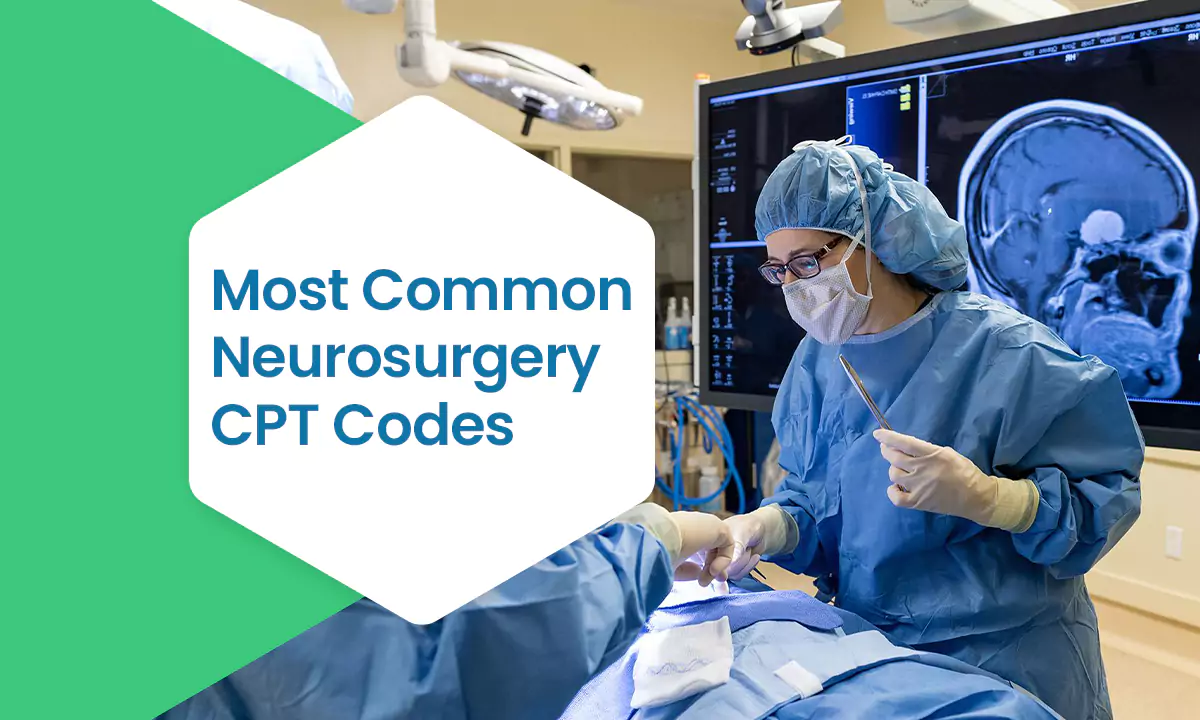
1. What Are Neurosurgery CPT Codes?
At the most basic level, neurosurgery CPT codes are part of the Current Procedural Terminology (CPT) code set maintained by the American Medical Association (AMA). These codes represent procedures performed by neurosurgeons, including complex surgeries such as craniotomies, spinal fusions, nerve repairs, and endoscopic interventions. Because neurosurgical procedures can involve varying techniques, approaches, and anatomical targets, neurosurgery CPT codes are highly detailed to reflect these complexities accurately.
Incorrect selection of a neurosurgery CPT code can result in claim denials, underpayments, or compliance issues — making it vital for coders to stay up to date.
2. How Neurosurgery CPT Codes Are Structured
Each neurosurgery CPT code begins with a five‑digit number. The first digit often indicates the general class of the procedure, while the subsequent digits provide specificity. For instance, spinal procedures may start with different prefixes than cranial procedures. Knowing how these numbers map to specific services helps coders navigate the system more safely and efficiently.
3. Importance of Accurate Documentation for Neurosurgery CPT Codes
Accurate documentation is the backbone of correct coding. When it comes to neurosurgery CPT codes, documentation must clearly explain:
-
The surgical approach
-
The anatomical sites involved
-
Whether the procedure was open, minimally invasive, or endoscopic
-
Any surgical modifiers that might apply
Without precise clinical detail, assigning the correct neurosurgery CPT code becomes guesswork — which leads to denials and audits.
4. Common Neurosurgery CPT Codes You Should Know
Some common neurosurgery CPT codes include those for:
-
Craniotomies for tumor removal
-
Laminectomies for spinal decompression
-
Discectomies
-
Spinal fusions
-
Peripheral nerve decompressions
Each of these procedures is coded differently depending upon specific factors such as surgical approach, levels treated, and whether instrumentation was used — which underscores the importance of mastering neurosurgery CPT codes.
5. Why Neurosurgery CPT Codes Are Often Denied
One of the top reasons claims are denied is improper code selection. With neurosurgery CPT codes, this often happens when:
-
Documentation does not support the specific code chosen
-
Modifiers are missing or incorrectly used
-
Bundling rules aren’t applied properly
For example, some surgical packages include both an operative procedure and related services, meaning separate billing with a single neurosurgery CPT code could result in duplication — unless properly justified.
6. Modifiers and Neurosurgery CPT Codes
Modifiers are essential to accurately represent certain situations — such as bilateral procedures, staged services, or multiple surgical approaches. Applying the appropriate modifier with neurosurgery CPT codes informs payers that although services were related, they are billable separately under specific rules.
7. How to Handle Multiple Neurosurgery CPT Codes in One Claim
In many neurosurgical cases, a surgeon may perform multiple procedures during one operative session. In these situations, coders must:
-
Identify each distinct service
-
Determine whether bundling rules apply
-
Apply correct modifiers when necessary
When done correctly, handling neurosurgery CPT codes in multi‑procedure claims can significantly improve reimbursement accuracy.
8. Coding Tips for Spinal Neurosurgery CPT Codes
Spinal procedures are among the most frequent yet most complex in neurosurgery. Each level of the spine (cervical, thoracic, lumbar) may require distinct neurosurgery CPT codes. Additionally, whether the procedure involves fusion, decompression, or instrumentation affects code selection. Documentation must specify all these elements — without it, coders may misassign key neurosurgery CPT codes.
9. Neurosurgery CPT Codes and Surgical Approaches
Open versus endoscopic approaches can change which neurosurgery CPT codes are appropriate. As minimally invasive techniques grow in popularity, coders must be vigilant and choose codes that reflect the true nature of the procedure, not the assumed difficulty or duration.
10. Staying Up to Date on CPT Code Changes
CPT codes are revised annually. New neurosurgery-CPT codes may be introduced, and others may be retired or redefined. Staying current with AMA updates and payer bulletins ensures your coding remains compliant — and that you’re not missing out on legitimate reimbursement opportunities.
11. The Role of ICD‑10 in Supporting Neurosurgery-CPT Codes
While neurosurgery-CPT codes describe what was performed, ICD‑10 diagnosis codes explain why it was necessary. Both must align. A mismatch between diagnosis and procedure codes is a common cause of denials. For instance, the wrong ICD‑10 code may make a normally billable neurosurgery CPT code appear unsupported.
12. Best Practices for Neurosurgery-CPT Codes
To improve accuracy:
-
Use detailed operative reports
-
Reference the latest CPT coding manuals
-
Avoid assumptions; verify every part of the procedure
-
Train your team on common neurosurgery coding pitfalls
Consistency and attention to detail are the keys to mastering neurosurgery-CPT codes.
13. How Denials Impact Revenue Cycle When Neurosurgery-CPT Codes Are Incorrect
Denied claims don’t just delay payments — they increase administrative burden and can affect cash flow. With high‑value procedures tied to neurosurgery-CPT codes, even small errors can result in significant revenue loss. Efficient coding processes and audits help catch mistakes early before they jeopardize reimbursement.
14. Tools and Resources for Coding Neurosurgery-CPT Codes
Investing in tools like coding software, clinical documentation improvement programs, and payer policy libraries can make navigating neurosurgery-CPT codes easier. These resources help bridge the gap between clinical services and accurate coding.
15. Why Outsourcing Neurosurgery CPT Code Billing Can Be a Smart Move
Many practices find that outsourcing complex coding — especially for neurosurgery-CPT codes — improves revenue, reduces errors, and allows physicians to focus on patient care. Specialized billing experts, like the team at Icon Billing LLC, stay updated on CPT changes, payer rules, and documentation best practices so that your claims are efficient and compliant.
Conclusion
Managing neurosurgery-CPT codes effectively is critical for any practice performing neurosurgical procedures. These codes are detailed, specialized, and constantly evolving — but with the right knowledge, systems, and support, accurate coding is achievable. From precise documentation and code selection to ongoing education and use of analytics tools, mastering neurosurgery-CPT codes is foundational to a strong revenue cycle.
If your practice struggles with coding neurosurgical procedures or experiences frequent denials related to neurosurgery-CPT codes, Icon Billing LLC is here to help. Our experienced team understands the nuances of this specialty and can streamline your billing for better financial performance.